
The Theme of Laughter and Freedom
The Master and MargaritaThe novel uses laughter and satire as a liberating force, breaking through the oppressive seriousness of Soviet life.
increasing Bearing strength in each event
 decreasing
Bearing strength in each eventdecreasingThe Carnival of Chaos
The Laughter
The Buffoonery
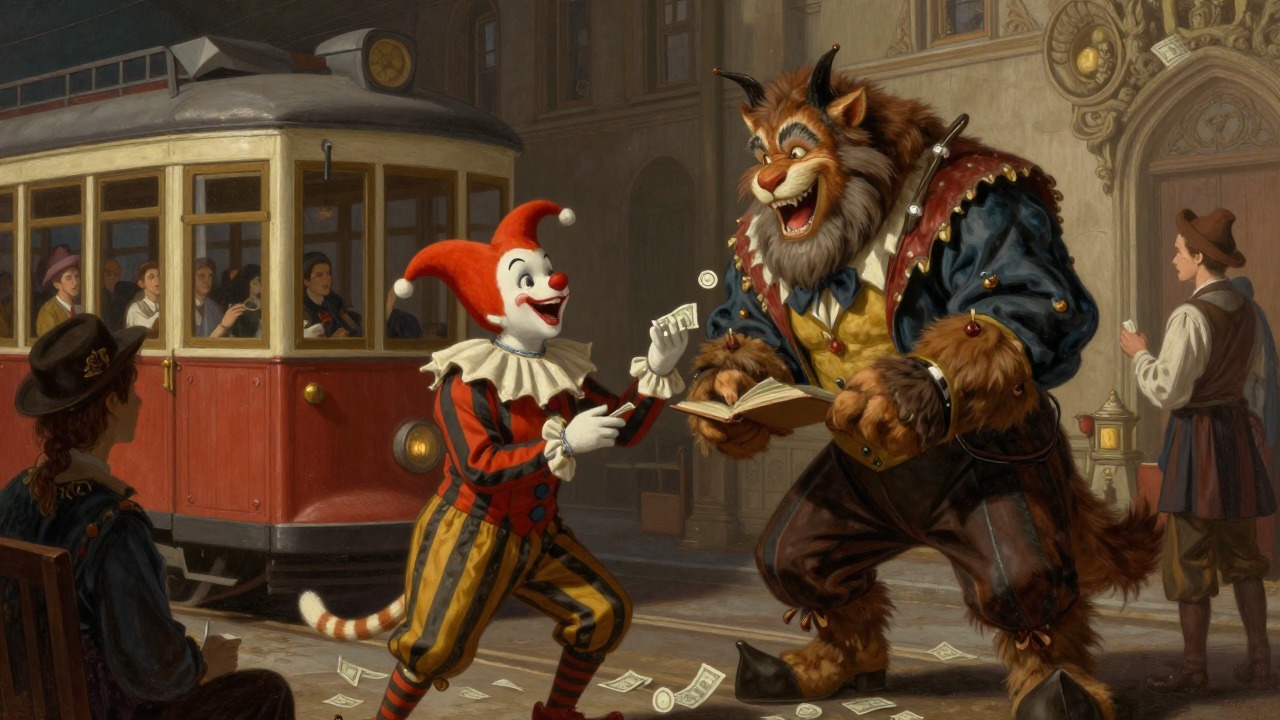
Koroviev and Behemoth are clowns. Their antics, like the cat paying for a tram ticket, evoke laughter. The absurdity breaks the monotony of daily life.
The Satire
The novel mocks the literary establishment, the bureaucracy, and the currency obsessions. Laughter is a weapon against oppression.
The Freedom
Laughter creates a space of freedom. In a world of fear, the devil's carnival is a release. The novel suggests that laughter is a form of resistance.
The Exposure of Hypocrisy
The Public Humiliation
The Exposure
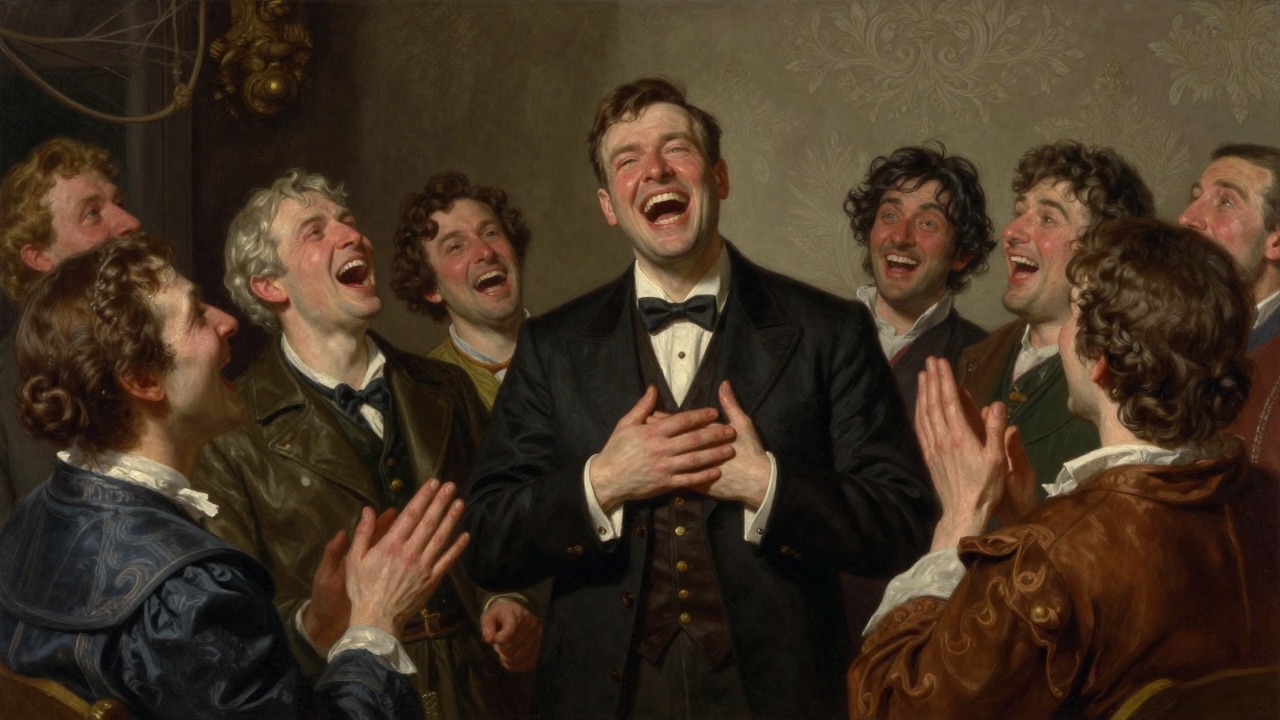
Sempleyarov is revealed as an adulterer through laughter. The audience laughs at him. The laughter is a judgment.
The Power of Mockery
Mockery is a tool of truth. It strips away pretensions. The novel uses laughter to expose the gap between official morality and private behavior.
The Liberation
Laughter liberates the truth. It is the voice of the people, who see through the lies. The theme of laughter is tied to the carnival tradition.
The Final Laughter
The Departure
The Joke
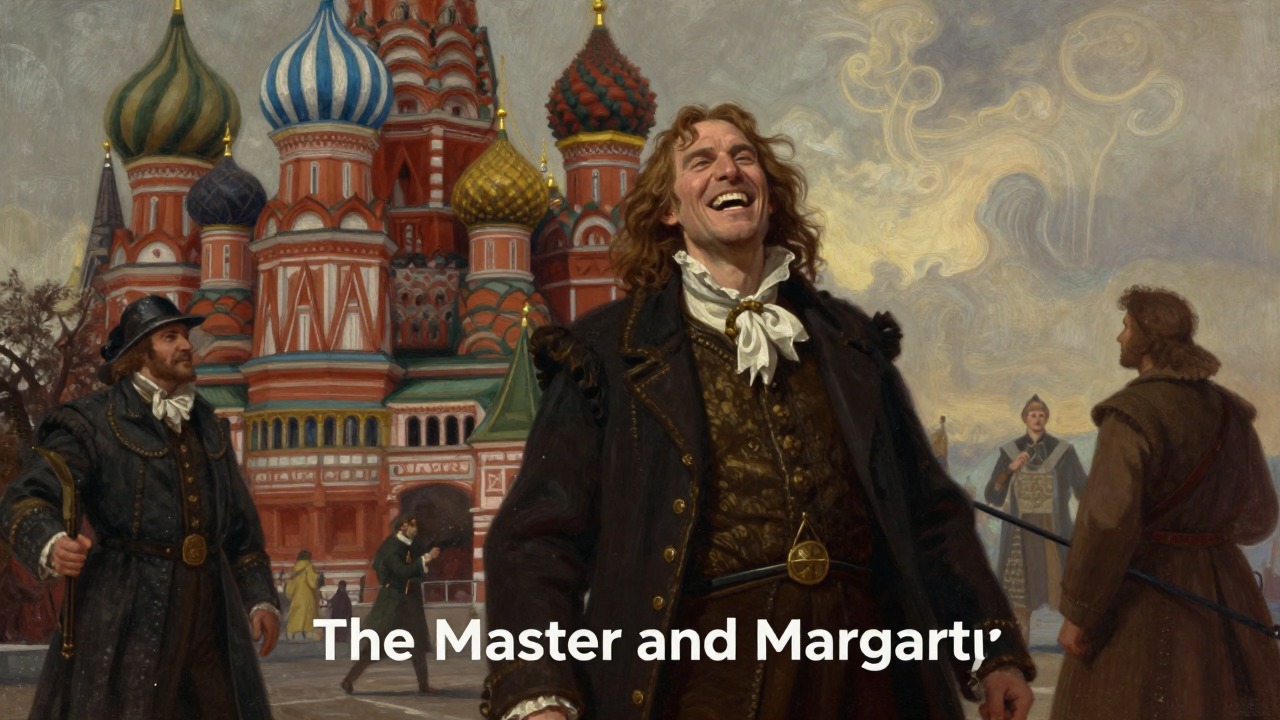
Woland and his retinue leave Moscow with a flourish. The final scene is not tragic but liberating. The laughter continues.
The Message
Laughter is a sign of freedom. The novel ends on a note of triumph, not despair. The reader is left with a smile.
The Conclusion
Laughter is a coping mechanism, but also a form of wisdom. The novel celebrates the power of laughter to overcome fear and oppression.
Throughout the Moscow story
During the seance
The end of the novel
