
The Theme of Truth
The Master and MargaritaTruth is a central philosophical concept, explored through Yeshua's teachings and the contrast between official lies and hidden reality.
increasing Bearing strength in each event
 decreasing
Bearing strength in each eventdecreasingYeshua's Truth
The Definition
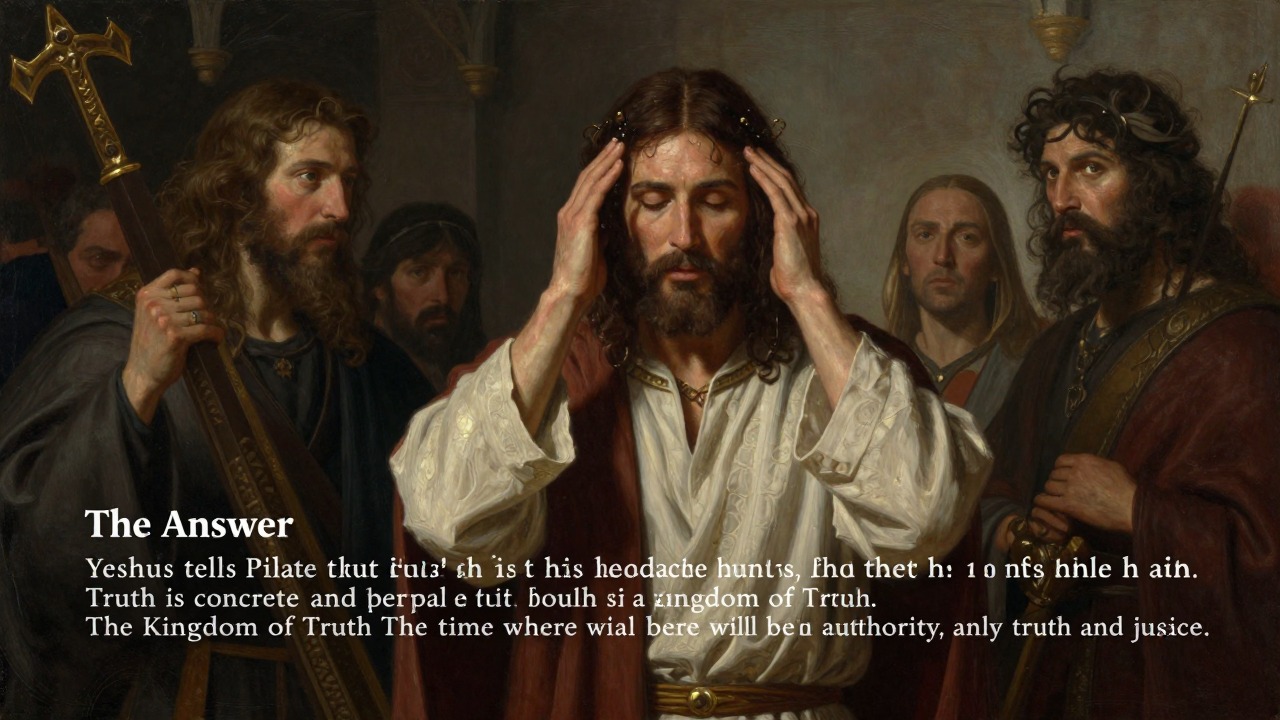
The Answer
Yeshua tells Pilate that truth is that his headache hurts, and that he is a good man. Truth is concrete and personal, not abstract.
The Kingdom of Truth
Yeshua speaks of a time when there will be no authority, only truth and justice. This is a radical idea that challenges both Roman and Jewish authority.
The Impact
Yeshua's truth is simple but powerful. It exposes the lies of the world. Pilate is moved but unable to accept it fully.
The Official Lies
The Soviet Reality
The Propaganda
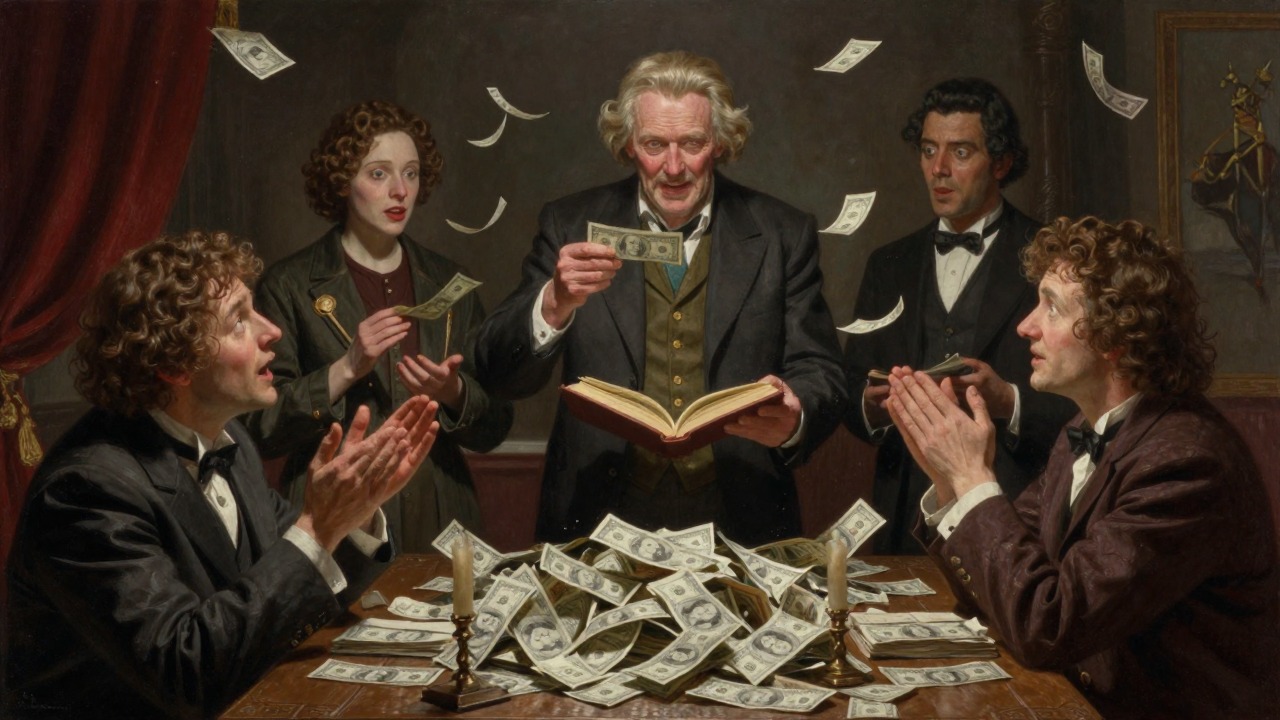
The Soviet society is built on lies. The literary establishment promotes false ideology. The currency dealers hide their wealth. The citizens pretend to be happy.
The Exposure
Woland and his retinue expose these lies. The magic money reveals greed, the seance uncovers hypocrisy, and the dream shows the absurdity of the system.
The Contrast
The truth from Yeshua and the truth from Woland are different, but both challenge the official lies. The novel suggests that truth will out, whether through spirituality or satire.
The Truth of Art
The Manuscript
The Survival
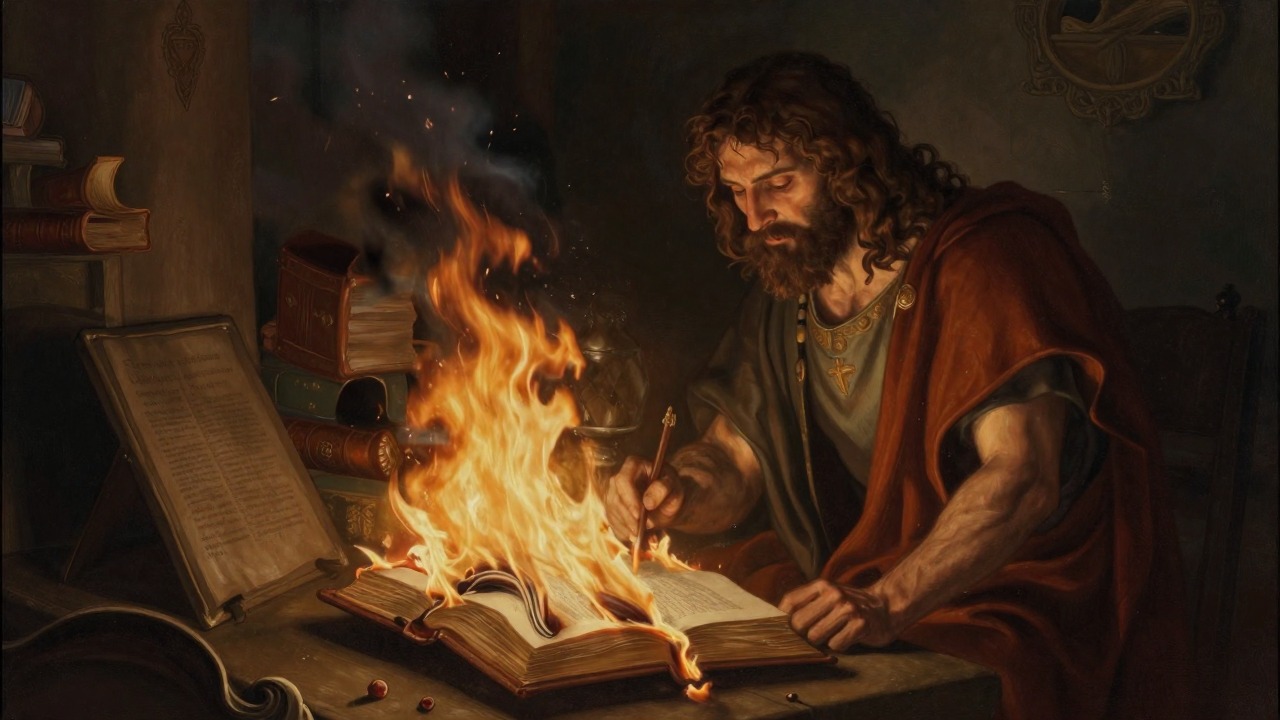
The Master's novel, which tells the truth about Pilate and Yeshua, is burned but survives. 'Manuscripts don't burn' is a statement about the power of truth in art.
The Legacy
Ivan Homeless remembers the truth of the story. He becomes a historian, but he knows the deeper truth. The novel itself is a testament to the enduring power of truth.
The Conclusion
Truth is not always comfortable, but it is necessary. The novel celebrates truth in all its forms, whether divine, historical, or artistic.
During the trial
Throughout the Moscow story
By the end of the novel
