Greaser
Greaser is the social identity and subcultural label worn by the working-class boys of the East Side in S. E. Hinton's The Outsiders, defining them against the wealthy Socs and shaping every aspect of their lives, from their appearance and behavior to their loyalties, conflicts, and sense of pride. The term is both a badge of belonging and a mark of social contempt, and the novel's narrator, Ponyboy Curtis, explores its meaning from the inside, showing how the greasers' style, values, and struggles arise from poverty, violence, and the need for solidarity in a divided world.
Identity and Appearance
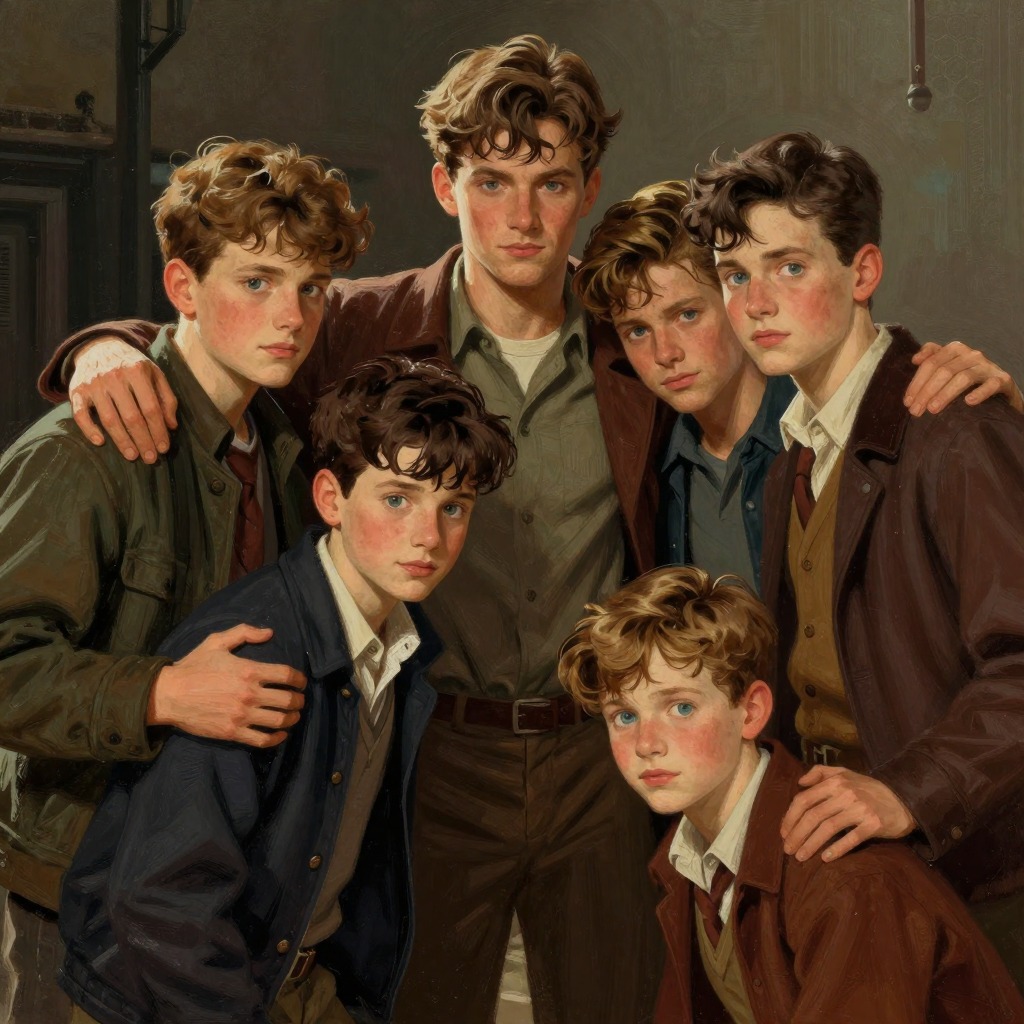
The greasers are defined first by their look: long, greased hair, blue jeans and T-shirts, shirttails out, leather jackets, and tennis shoes or boots. Ponyboy explains that his own hair is longer than most boys' because "I am a greaser and most of my neighborhood rarely bothers to get a haircut." The hair is a trademark and a source of pride—"the one thing we were proud of"—and when Johnny Cade insists they cut and bleach it to avoid identification after Bob Sheldon's murder, Ponyboy protests, "No, Johnny, not my hair!" The style marks them as hoods in the eyes of the world, but within the gang it is tuff, meaning cool or sharp. The greasers' slouching walk and tough demeanor are partly a performance, a way to look meaner than they feel. Ponyboy notes that "looking tough comes in handy." The label "greaser" is used by outsiders as an insult, but among themselves it can be playful: "we don't mind being called greaser by another greaser. It's kind of playful then."
Social and Economic Position
The greasers live on the East Side, poorer than the Socs and the middle class. Ponyboy describes them as "almost like hoods" who "steal things and drive old souped-up cars and hold up gas stations and have a gang fight once in a while," though he insists he does not do such things himself. The greasers' poverty is a constant pressure: Darrel Curtis works two jobs and has given up college; Sodapop Curtis dropped out of school to help support the family; Johnny's father beats him and his mother ignores him. The gang functions as a surrogate family, especially for Johnny, who "would never have known what love and affection are" without them. The greasers' neighborhood is tight-knit, and the front door is always unlocked in case one of the boys needs a place to stay. The gang's code is "Stick together" and "Don't get caught."
Conflict with the Socs
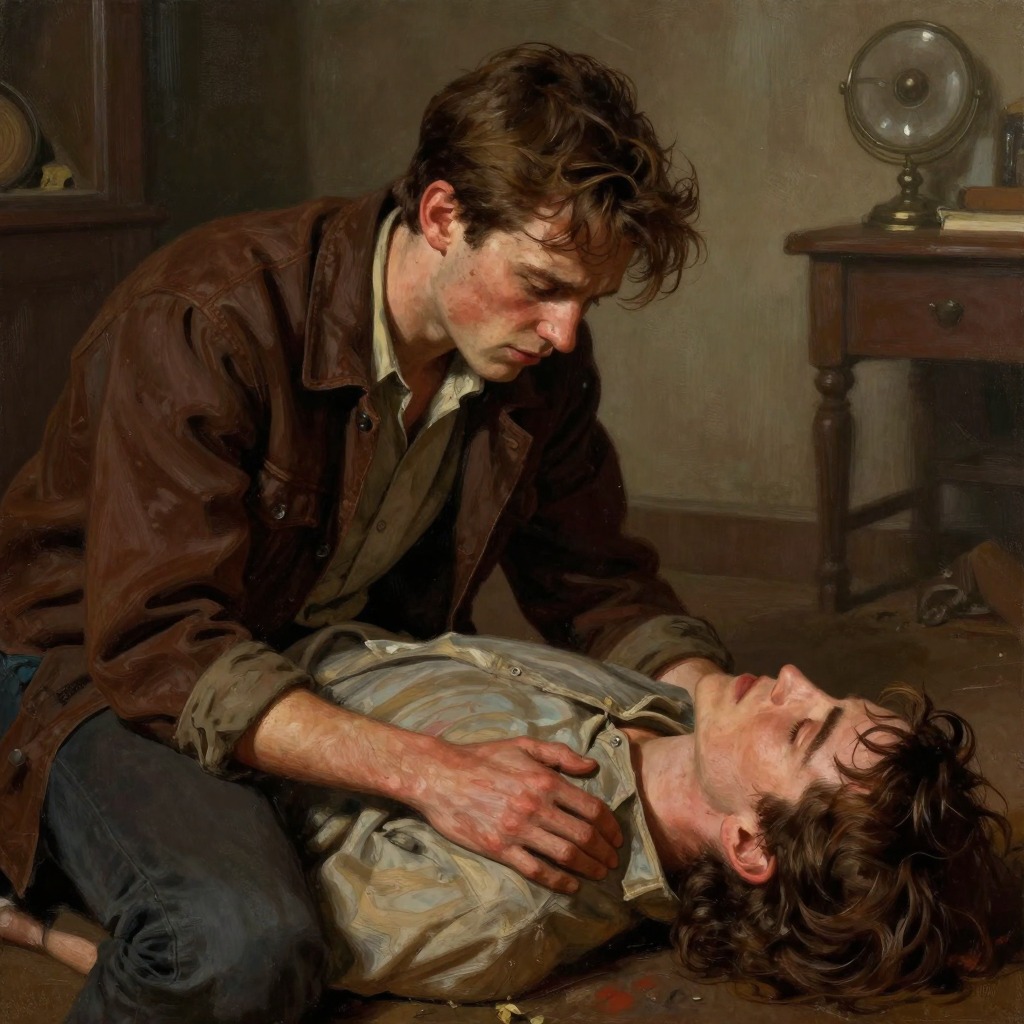
The central conflict of the novel is between greasers and Socs (short for Socials, the West-side rich kids). The Socs "jump greasers and wreck houses and throw beer blasts for kicks," while greasers fight back in rumbles and street brawls. Ponyboy reflects that "we're poorer than the Socs and the middle class. I reckon we're wilder, too." The rivalry is rooted in class and feeling: Cherry Valance tells Ponyboy that Socs are "cool to the point of not feeling anything," while greasers "feel too violently." The greasers are often blamed for trouble because they look hoody, while the Socs look decent. Ponyboy observes that "people usually go by looks." The violence escalates when Johnny kills Bob Sheldon in self-defense, leading to a citywide war and a final rumble. After the rumble, the greasers win, but Johnny dies, and Dallas Winston, unable to cope, stages his own death by robbery and suicide-by-cop.
Internal Diversity and Change
Not all greasers are alike. Ponyboy distinguishes between the gang's members: Dallas Winston is "tougher, colder, meaner" and has a police record; Two-Bit Mathews is a wisecracker who shoplifts for fun; Steve Randle is a skilled mechanic who fights out of hatred; Sodapop fights for fun; Darrel fights for pride; and Johnny is sensitive and scared. Ponyboy himself is different—he likes movies, books, and sunsets, and he feels the tension of being a greaser who does not fit the stereotype. He wonders, "What kind of world is it where all I have to be proud of is a reputation for being a hood, and greasy hair?" The novel traces his growing understanding that greasers are individuals, not a monolith. After the deaths of Johnny and Dallas, Ponyboy decides to tell their story, beginning with the same words that open the novel: "When I stepped out into the bright sunlight from the darkness of the movie house, I had only two things on my mind: Paul Newman and a ride home." In doing so, he transforms the greaser identity from a label of shame into a subject of understanding and empathy.