We're all we've got left
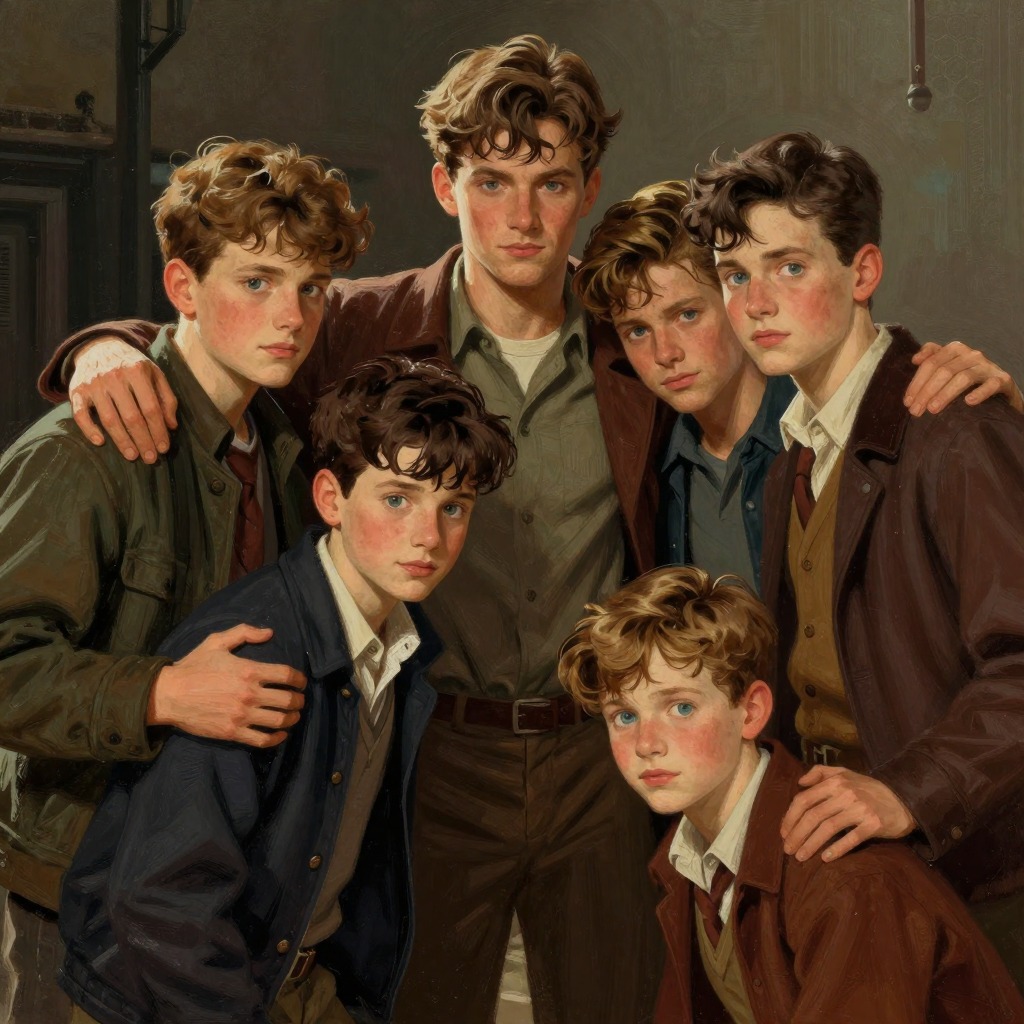
We're all we've got left is a defining expression in S. E. Hinton's The Outsiders, spoken by Sodapop Curtis at a moment of crisis that reveals the emotional foundation of the novel. The phrase does not appear as a casual remark but as a desperate plea that reframes the entire story's stakes: for the Curtis brothers and the greaser gang, their mutual loyalty is not a luxury but the only thing that prevents them from becoming like Dallas Winston—not dead, but hollowed out and beyond caring. Sodapop's words transform the gang's code of "stick together" from a street survival tactic into an existential necessity.
Origin and Context
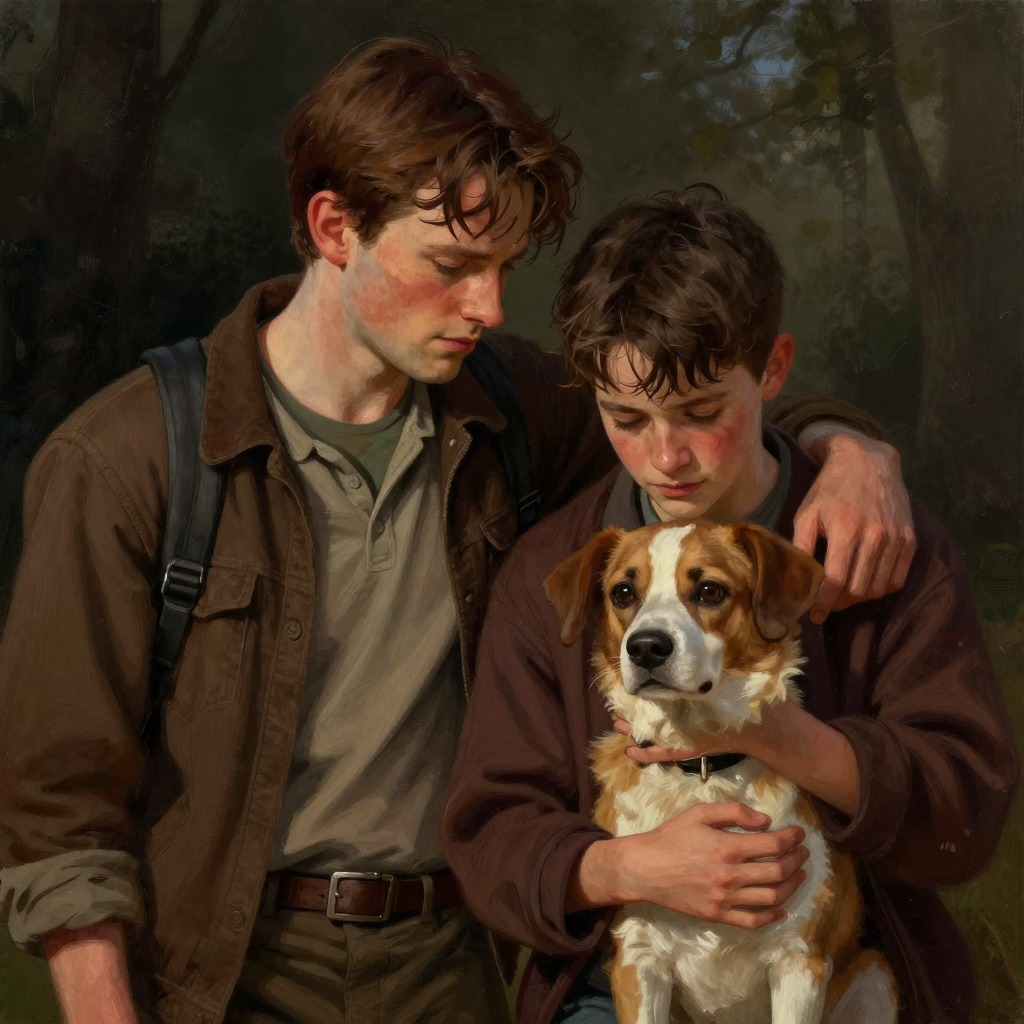
The expression emerges in Chapter 12, after Ponyboy Curtis has returned home following the deaths of Johnny Cade and Dallas Winston. The household is fraying: Ponyboy and his oldest brother Darrel Curtis have been fighting constantly, and Sodapop has been silently suffering from the return of a letter he wrote to his girlfriend Sandy, unopened. When Ponyboy and Darrel argue again—this time about Ponyboy's refusal to work on a school theme—Sodapop bolts from the house. His brothers chase him to the park, where he finally explodes: "We're all we've got left. We ought to be able to stick together against everything. If we don't have each other, we don't have anything." The words are not a slogan but a confession of pain, spoken with tears in his eyes.
Meaning and Thematic Weight
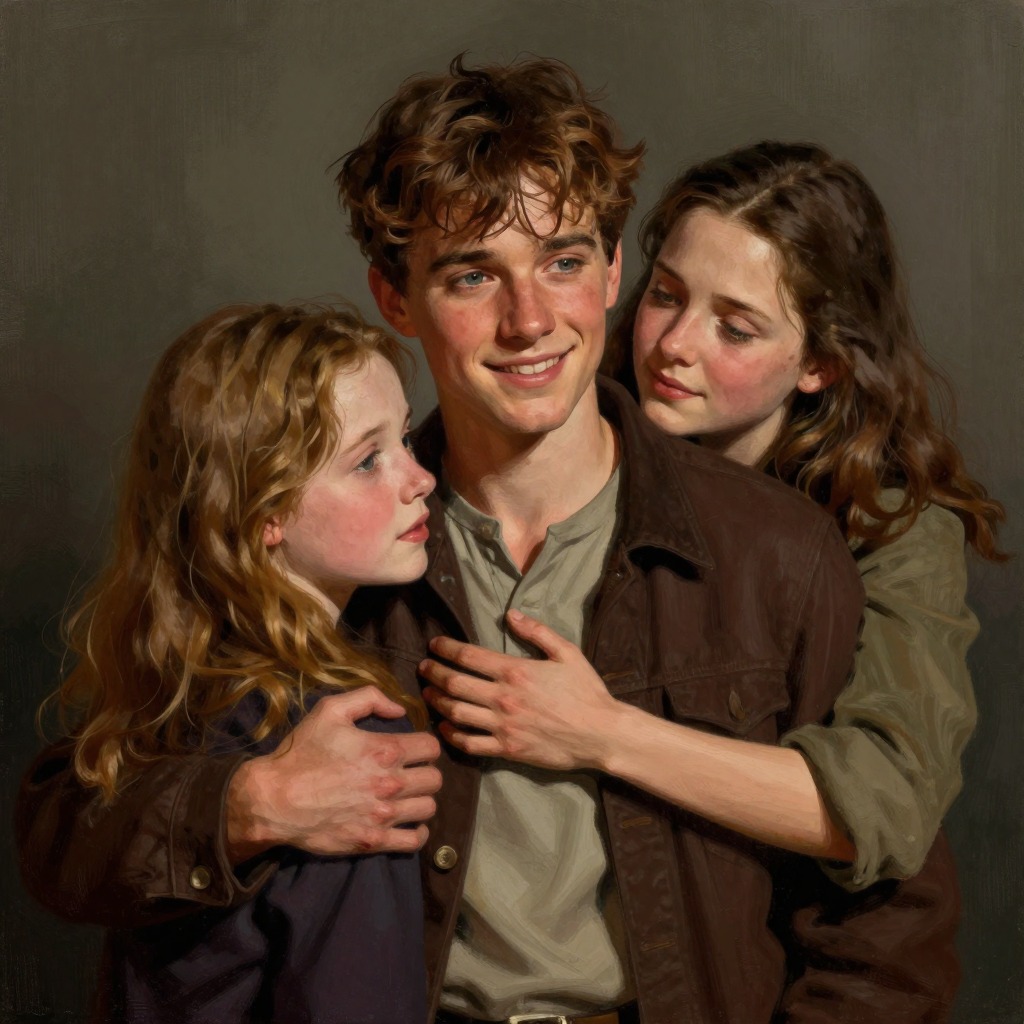
Sodapop's statement carries multiple layers of meaning. On the surface, it refers to the literal fact that the three Curtis brothers are orphans—their parents died in an auto wreck eight months before the novel begins—and that they have been allowed to stay together only as long as they behave. But the phrase extends beyond blood relation. The greaser gang—Johnny, Two-Bit, Steve, and Dally—functions as an extended family, and the novel has shown repeatedly that this chosen family is what keeps its members from complete despair. Johnny, whose parents beat and ignore him, would have run away "a million times" without the gang. Dally, whose parents do not care whether he is in jail or dead, has no such anchor and ultimately engineers his own death. Sodapop's words make explicit what the story has demonstrated: the bond is the only thing that stands between the greasers and the fate of becoming like Dally—"not dead, either. I mean like he was before. And that's worse than dead."
The Expression as a Turning Point
Sodapop's plea functions as the novel's emotional climax and the catalyst for its resolution. Until this moment, Ponyboy and Darrel have been locked in a cycle of misunderstanding: Ponyboy believes Darrel does not love him, while Darrel's harsh discipline stems from fear of losing another person he loves. Sodapop reveals that he has been "the middleman in a tug o' war," split in half by their conflict. His words force both brothers to recognize that their fighting is destroying the very thing they are trying to protect. Darrel immediately softens, calling Ponyboy "little buddy" for the first time, and Ponyboy realizes that Darrel is only twenty years old, scared and hurt and lost like the rest of them. The expression thus marks the moment when the brothers finally understand each other and commit to staying together.
Significance in the Novel's Structure
"We're all we've got left" serves as the thematic counterweight to the novel's other key expression, "Nothing gold can stay." Where Robert Frost's poem speaks to the inevitable loss of innocence and beauty, Sodapop's words assert that what can be preserved—through choice and effort—is the human bond. The novel ends not with a victory over the Socs but with Ponyboy deciding to write his story, beginning with the same words that opened the book. That act of telling is itself an affirmation of Sodapop's principle: by sharing their side of the story, Ponyboy hopes to prevent other boys from being judged by the amount of hair oil they wear, extending the idea of "we're all we've got left" beyond the gang to anyone who has ever felt marked lousy. The expression thus encapsulates the novel's argument that in a world divided by class and violence, the only meaningful response is to hold on to each other.