Chinaski’s poetry reading at Smack-Hi
WomenHenry Chinaski’s poetry reading at Smack-Hi is a paid performance in which a hostile nightclub crowd becomes both obstacle and audience. At the Manhattan Beach club, he answers jeers with poems, beer, and a deliberate refusal either to flatter the room or to leave it untouched. The reading makes his stage persona inseparable from the night’s disorder—and concludes with a payment far below the amount he had expected.
The Booking and the Venue
Back in Los Angeles after a trip, Chinaski has almost a week of calm before Marty Seavers, the owner of Smack-Hi, calls to book him for a reading. Chinaski has appeared there a couple of times before. Seavers offers a fee of about $450 for a Friday-night performance, and Chinaski agrees. The prospect is not a college reading: rock groups play the club, and Chinaski prefers its audience, which he regards as comparably abrasive rather than decorously attentive.
The club’s atmosphere is already shaping the performance before Chinaski reaches the stage. Tammie has five Stingers in forty minutes, and the crowd is made up of young patrons whom the club’s staff must manage when they become unruly. Chinaski himself becomes sick before the reading, but this time he uses a trash can rather than leaving a mess outside Seavers’s office. The bodily discomfort, heavy drinking, and disorder are not peripheral to the engagement; they establish a setting in which a conventional, carefully controlled literary appearance would be out of place.
The Introduction and the Crowd
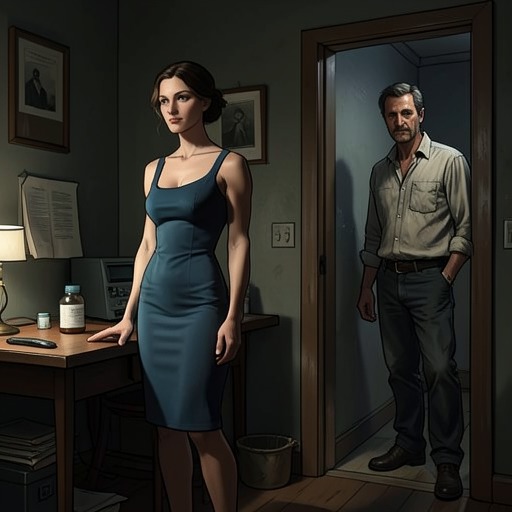
Tammie insists on introducing Chinaski. As the two approach the stage, patrons scream and curse; bottles fall from tables, and a fistfight breaks out. Tammie first tells the room that Henry Chinaski could not make it, leaving a pause before announcing him by name. The joke briefly withholds the performer the crowd has come to see, then releases him into their jeers. Chinaski walks on and identifies himself, but he has not yet won their attention.
A refrigerator on the stage gives him a way to answer the room without beginning with an argument. It contains about forty bottles of beer. Chinaski opens one for himself, then responds when a man in the front row calls out that the patrons are paying for drinks: he hands the man a beer and distributes more to the front row. He throws several bottles toward people farther back, who catch them, until one slips from his hand and breaks. He stops throwing them, recognizing the possibility of injury and a lawsuit. The exchange turns the crowd’s complaint into a brief negotiation: rather than promise an abstract performance, Chinaski gives the audience something tangible while retaining control over when the gesture ends.
Reading Under Pressure
The performance changes when Chinaski sits down, adjusts the microphone, and begins his first poem. The crowd quiets. He feels exposed, comparing the moment to being alone in a ring with a bull, but he has written the poems and reads them aloud. He opens with a light, mocking piece; the room responds loudly, although several people fight during the applause. Approval and disorder arrive together, so the reading never settles into the calm exchange of poet and listeners.
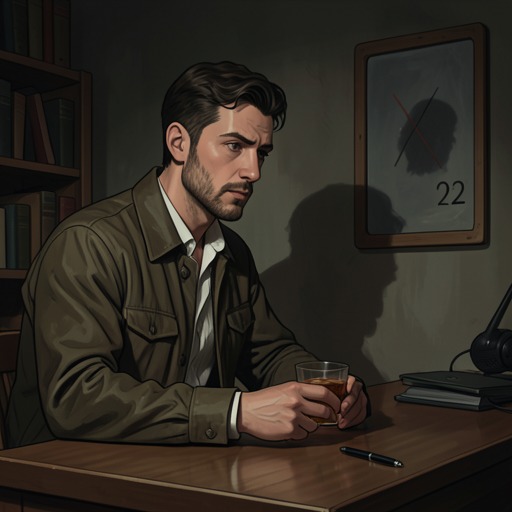
Chinaski continues with more poems and drinks as he reads. As he becomes drunker, the words grow harder to manage: he misses lines and drops poems on the floor. He stops for a time and sits drinking, making the act of drinking part of what the patrons are watching. Rather than abandon the reading, he makes another effort, reads additional poems, and ends with several dirty ones. The audience calls for more. Its response confirms that the night’s success is not measured by formal composure: Chinaski has held the room by accepting its roughness while continuing to perform.
Payment and Significance
After the reading, Tammie tells Marty that she dislikes him and his eyes. Chinaski redirects her attention toward collecting the money. Marty writes a check and hands it to Chinaski, saying it is for $200. Tammie protests the amount, but Chinaski reads the check and tells her Marty is kidding. The apparent joke does not erase the discrepancy: Seavers had offered about $450, while the check is for $200. Thus the performance’s immediate triumph over the audience does not translate into the expected payment.
The episode joins Chinaski’s literary work to the conditions under which he presents it: a nightclub rather than a college, a volatile crowd rather than a quiet readership, and a reading repeatedly interrupted by alcohol and practical demands. His success is real but provisional. He can turn jeers into attention and finish the poems, yet cannot control the crowd’s violence or ensure that the club owner honors the proposed fee. The closing check brings the performance back from its improvised spectacle to the unequal terms of the booking.