
Robbie and Cecilia's Love Story
AtonementFollows the passionate but thwarted love between Robbie Turner and Cecilia Tallis, from its awakening to its tragic separation and imagined reunion.
increasing Bearing strength in each event
 decreasing
Bearing strength in each eventdecreasingChildhood friends become strangers

A Shared Past
Growing Up Together
Robbie Turner and Cecilia Tallis have known each other since childhood. Robbie, the son of the Tallises' cleaning lady, was given the run of the house by Jack Tallis. He and Cecilia were playmates, then schoolmates, then university acquaintances at Cambridge. But their paths diverged: Robbie excelled academically, while Cecilia struggled.
The Awkwardness of Class
At Cambridge, the social distance between them became more pronounced. Robbie was brilliant but poor; Cecilia was wealthy but uncertain. They moved in different circles. Robbie's mother's position as a cleaner created an unspoken barrier. They became strangers who exchanged polite nods.
The Summer of 1935
Cecilia returns home after finals, restless and bored. Robbie is working as a landscape gardener, contemplating medical school. Their old ease is gone, replaced by tension and unspoken feelings. The heat wave seems to intensify their discomfort. They are on the verge of something neither fully understands.
The vase incident at the fountain

The Breaking Point
A Struggle Over Porcelain
Cecilia goes to the Triton fountain to fill a vase with water. Robbie, trying to help, accidentally breaks off a piece of the precious Meissen vase. In the ensuing argument, Cecilia's anger flares. She strips off her clothes and dives into the fountain to retrieve the pieces—a dramatic act of defiance and humiliation.
The Unspoken Revelation
Robbie is stunned by the sight of Cecilia in her underwear, emerging from the water. He sees her beauty for the first time. The anger between them masks a deeper attraction. The vase-breaking becomes a catalyst, shattering their polite distance and revealing the raw emotion beneath.
Aftermath
Cecilia stalks off, leaving Robbie alone. He is consumed by desire and regret. The incident marks the beginning of his obsessive love for her. He cannot stop thinking about her body, her anger, her vulnerability. The vase is repaired, but the emotional damage—and the new awareness—remains.
Robbie writes the letter
A Fateful Mistake
Drafting an Apology
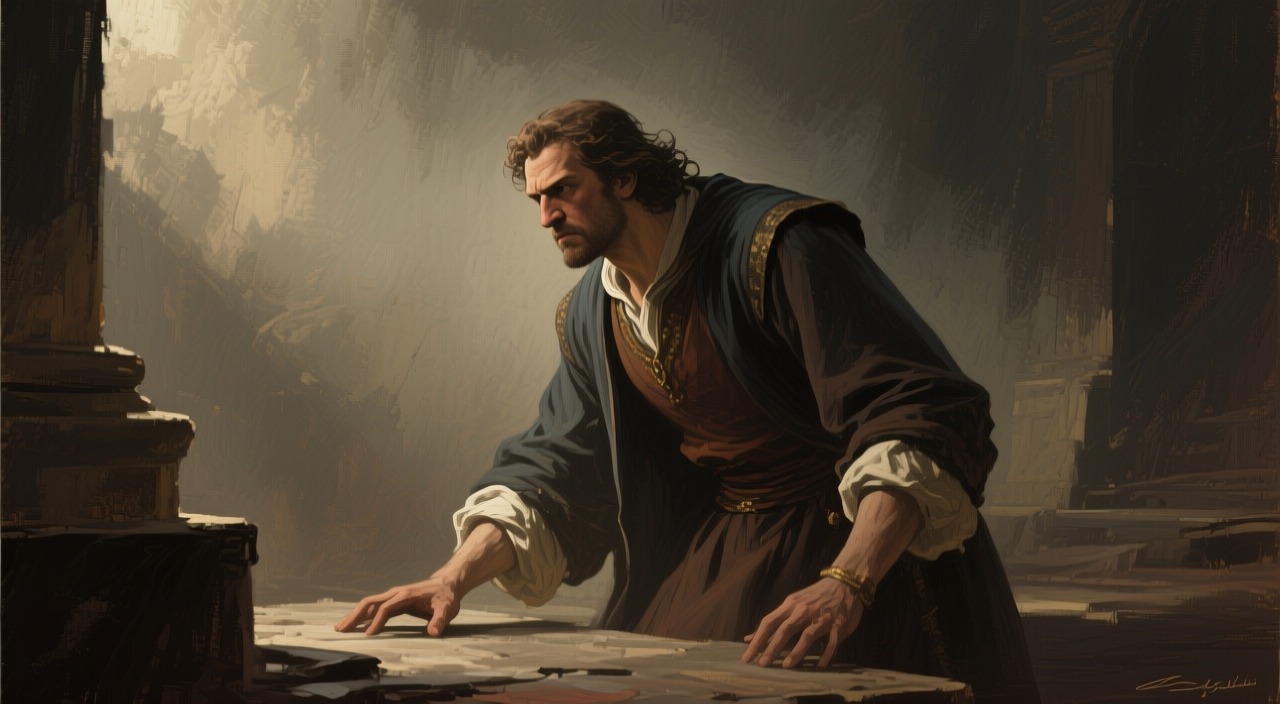
Robbie returns to his bungalow and tries to write a letter of apology to Cecilia. He drafts several versions, struggling to express his feelings. In a moment of unguarded passion, he types an obscene fantasy: "In my dreams I kiss your cunt, your sweet wet cunt." He immediately rejects it, but leaves it on his desk.
The Wrong Envelope
Robbie writes a clean, polite letter and seals it. But in his haste, he picks up the obscene draft instead of the final version. He does not realize his mistake until it is too late. The letter is now in Briony's hands, and its contents will be used against him.
The Irony of Desire
The obscene letter is a private expression of Robbie's love, never meant to be seen. Its discovery by Briony transforms it into evidence of his depravity. The letter becomes the linchpin of the false accusation, a symbol of how love can be twisted into something sinister by misunderstanding.
The library encounter
Consummation and Interruption
A Private Moment
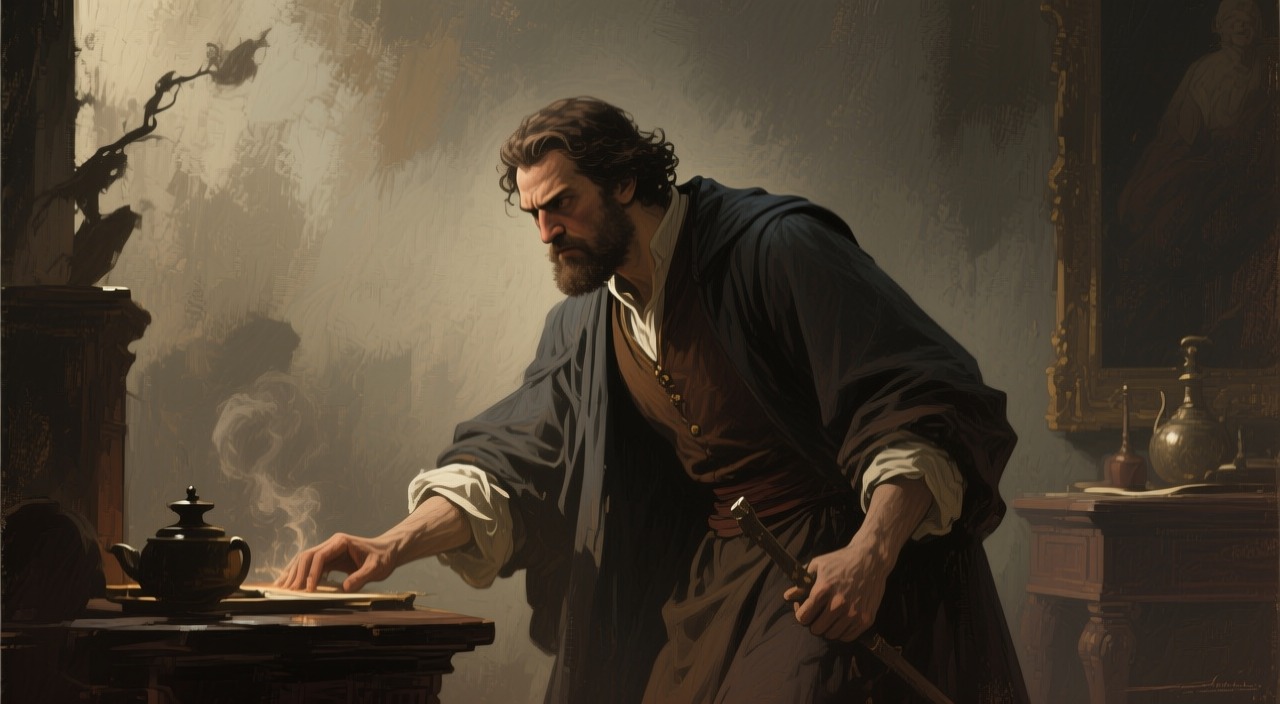
Robbie arrives at the house for dinner, determined to see Cecilia. They meet in the library, where she confronts him about the letter. But instead of anger, she confesses her own feelings: she has been in love with him for weeks, perhaps months. The misunderstanding dissolves into passion.
Making Love
They kiss, then make love against the library shelves. It is their first time, urgent and clumsy but profound. They whisper "I love you" and feel transformed. The world outside—the dinner party, the family, the war looming—fades away. For a few minutes, they are completely united.
Briony's Interruption
Briony enters the library and sees them. The moment is shattered. Cecilia leaves in shame and anger; Robbie is left alone, his joy turned to dread. The interruption marks the end of their brief happiness and the beginning of their long separation.
Robbie's arrest and Cecilia's vow

The Arrest
A Cruel Dawn
After a night of searching for the twins, Robbie returns to the house carrying the boys. He is met by police and arrested for the assault on Lola. Briony's testimony and the obscene letter are enough to convict him in the eyes of the law. He is handcuffed and taken away.
Cecilia's Promise
Cecilia runs out to him as he is about to be driven away. She tells him she believes him, she loves him, and she will wait for him. "I'll wait for you. Come back." These words become their lifeline through years of separation. She cuts herself off from her family, who have betrayed him.
The Beginning of Exile
Robbie is taken to prison. Cecilia returns to the house, now an enemy in her own home. Their love, born in a single afternoon, must now survive imprisonment, war, and the weight of false accusation. The vow they made at dawn sustains them.
Reunion and final separation
A Brief Meeting
The Teahouse Reunion
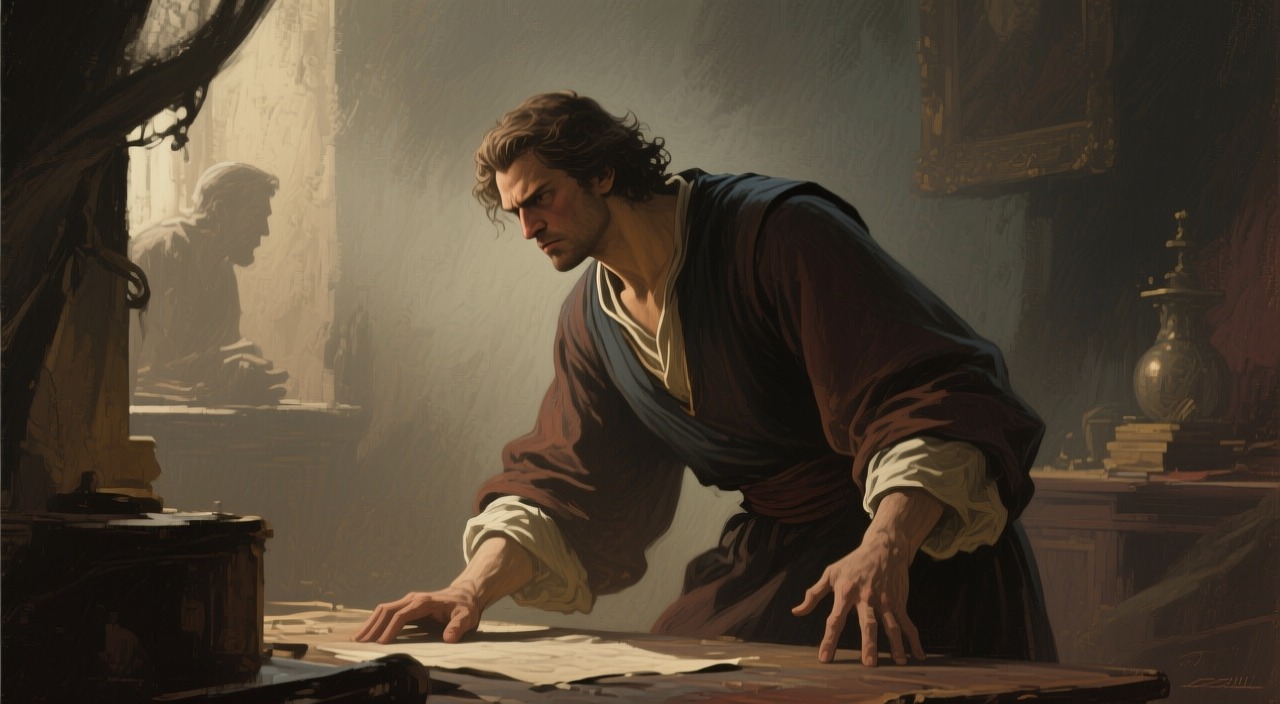
After three and a half years in prison, Robbie is released and joins the army. He meets Cecilia in a Joe Lyons teahouse in London. Their reunion is awkward—they have been living on letters and memories. But the love is still there. They kiss at a bus stop, promising to meet again.
The Wiltshire Cottage
Cecilia arranges to borrow a cottage in Wiltshire for their two weeks' leave. But war intervenes: leave is canceled, then postponed. Robbie is sent to France. They never get their time together. The cottage remains an unfulfilled dream.
The Last Letter
Cecilia writes to Robbie in France, telling him that Briony wants to recant. She ends with her refrain: "I'll wait for you. Come back." Robbie carries the letter through the retreat to Dunkirk. It is his talisman, his reason to survive. But he dies on the beach, and Cecilia dies in the Blitz. They never meet again.
early 1930s, before the summer of 1935
midday, 1935 summer
late afternoon, 1935 summer
early evening, 1935 summer
dawn, 1935 summer
1940, during the war
