Corporal Mace
Corporal Mace, a cook in the Royal Army Service Corps, emerges as one of the most capable and morally grounded figures in the nightmare of the retreat to Dunkirk. Alongside his friend Corporal Nettle, he attaches himself to Robbie Turner, a private soldier whose educated speech marks him as an unlikely leader, and follows him across the French countryside. Mace's physical strength, practical ingenuity, and instinctive decency make him a stabilizing presence in a world where the usual structures of command have dissolved, and his actions—from building a makeshift camp to saving a man from a mob—reveal a character who refuses to surrender his humanity even as civilization collapses around him.
Identity and Background
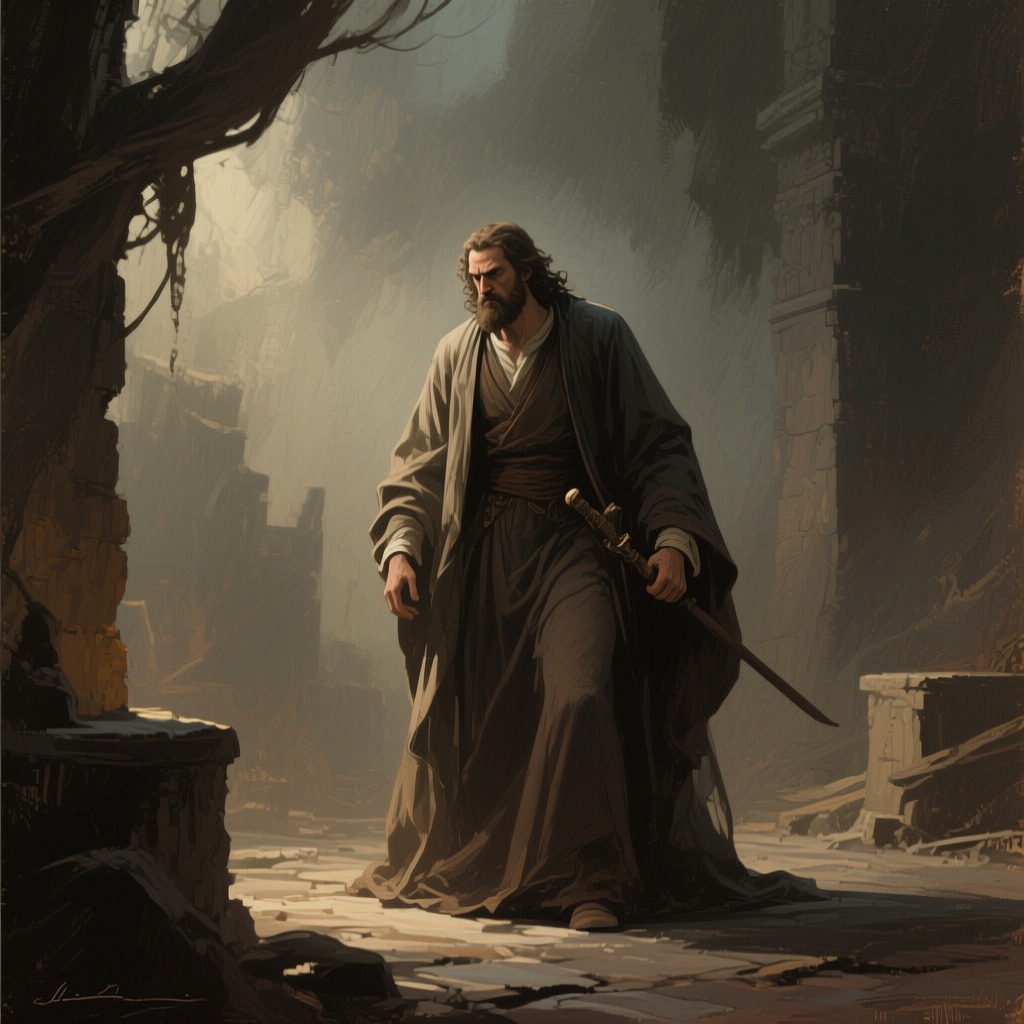
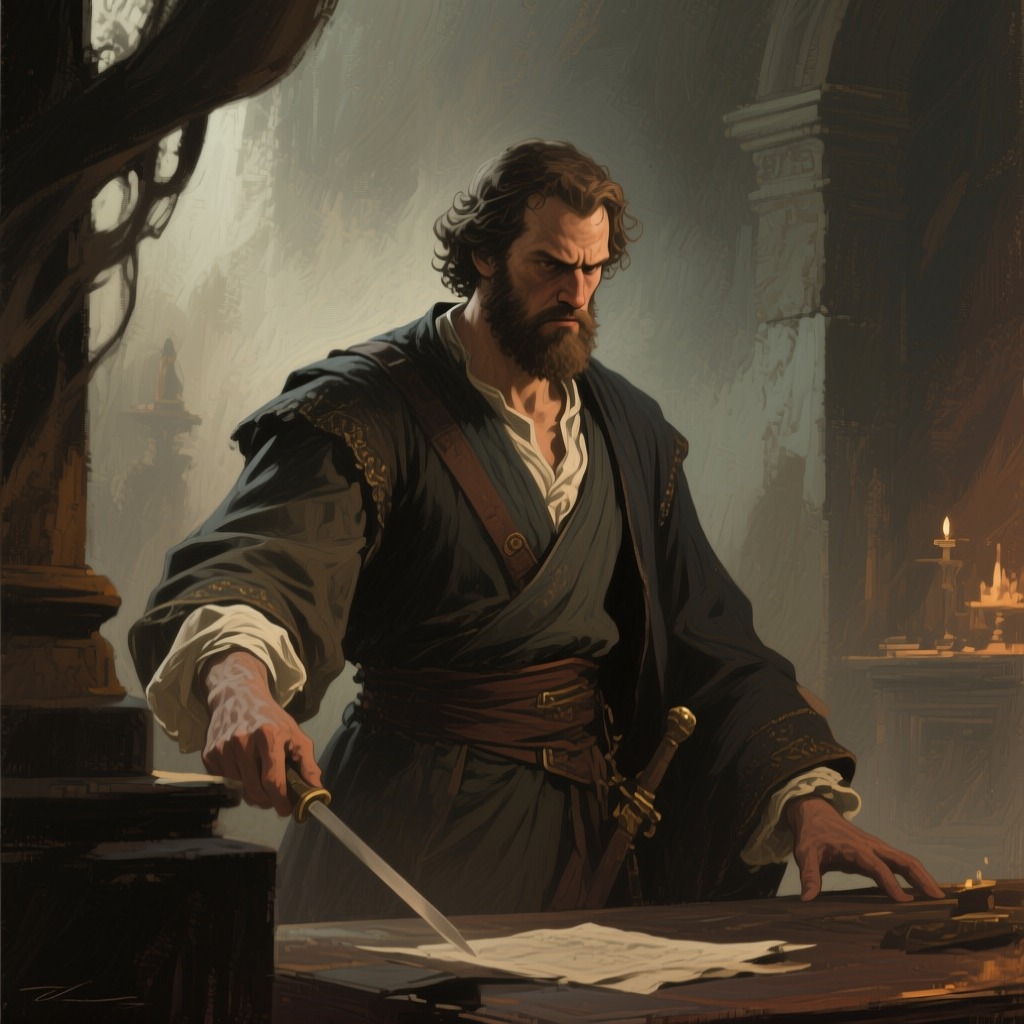
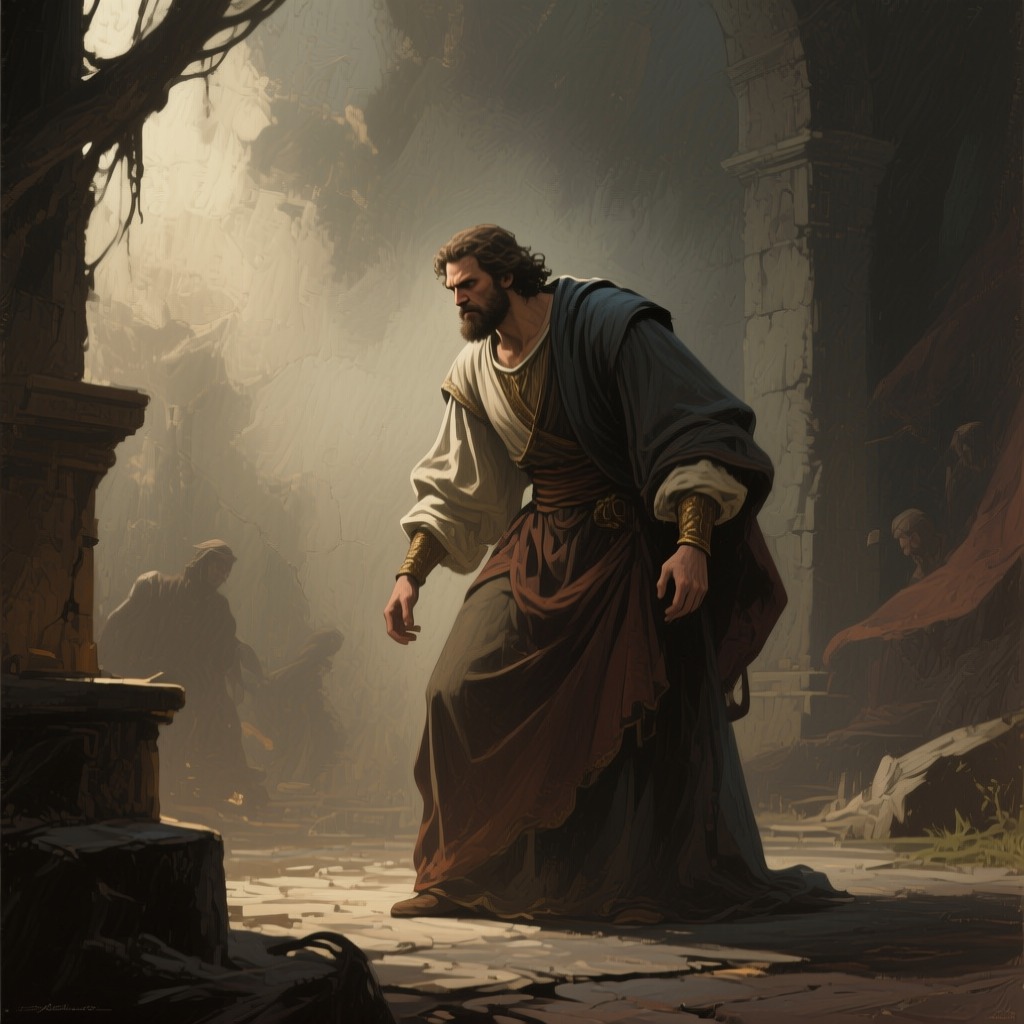
Mace is a Londoner, a former warehouseman at Heal's on Tottenham Court Road, who brings a city dweller's skepticism to the countryside through which the three soldiers march. He is a large man, "strong across the shoulders, and with hands that could have spanned one and a half octaves of the pub piano he said he played" . His background as a cook gives him a practical, comfort-oriented mindset: when the three men take shelter in a barn, Mace immediately sets about arranging their quarters, stuffing sacks to make mattresses, building headboards out of hay bales, and setting up a door on brick piles for a table. "Might as well be comfy," he keeps murmuring under his breath . This insistence on small dignities in the midst of chaos defines his character.
Role in the Retreat
Mace and Nettle decide that to reach the coast they need Turner, whose education and map-reading skills make him their de facto guide. They call him "guv'nor" to settle the difficult matter of rank, since Turner is a private soldier while they are corporals . Mace's loyalty is tested repeatedly. When Turner, exhausted and feverish, is about to strike a French civilian driver who has sounded his horn, Mace seizes his wrist with "some great strength" and pulls him away, saying, "That ain't the enemy, guv'nor" . Later, when a major from the Buffs tries to conscript the three men into a suicidal assault on a German machine-gun position, Mace interrupts with a brilliantly absurd parody of official orders: "Orders is from GHQ. Proceed at haste and speed and celerity, without delay, diversion or divagation to Dunkirk for the purposes of immediate evacuation on account of being 'orribly and onerously overrun from all directions" . The performance, which Nettle embellishes, is enough to deflect the major and save them from a pointless death.
The Rescue of the RAF Man
Mace's most dramatic act comes in a bar in Bray Dunes, where a mob of soldiers has cornered an RAF clerk and is about to beat him to death, holding him accountable for the Luftwaffe's dominance of the skies. Turner watches, paralyzed by the mob's exhilaration, but Mace acts. With a "wild hollering yodeling sound, like Johnny Weissmuller's Tarzan," he picks up the terrified clerk from behind in a bear hug, lifts him clear of the ground, and roars, "I know what I want to do with him. I want to drown him in the bloody sea!" (E01122–E01123). The crowd cheers, believing Mace shares their bloodlust, but he instead carries the man out of the bar, turns sharply up a side street, and releases him. The rescue is a masterpiece of misdirection, using the mob's own savagery against itself.
Thematic Significance
Mace represents the ordinary decency that survives even in extremity. He and Nettle dig a grave for a fifteen-year-old boy killed by strafing, fashion a cross from tent poles, and bury him with a few words (E01010–E01011). When Turner, in his fever, begins to hallucinate and shout in the cellar where they spend the night, Mace is not there—he has gone out to scout the situation—but Nettle reports that the navy is organizing the evacuation, and the three men will march to the beach at dawn . Mace's competence and moral clarity stand in stark contrast to the institutional failures and individual panics that surround him. He is a man who, without rhetoric or self-importance, simply does what needs to be done, and in doing so becomes one of the few reliable anchors in Turner's descent toward the sea.