The leg in a tree
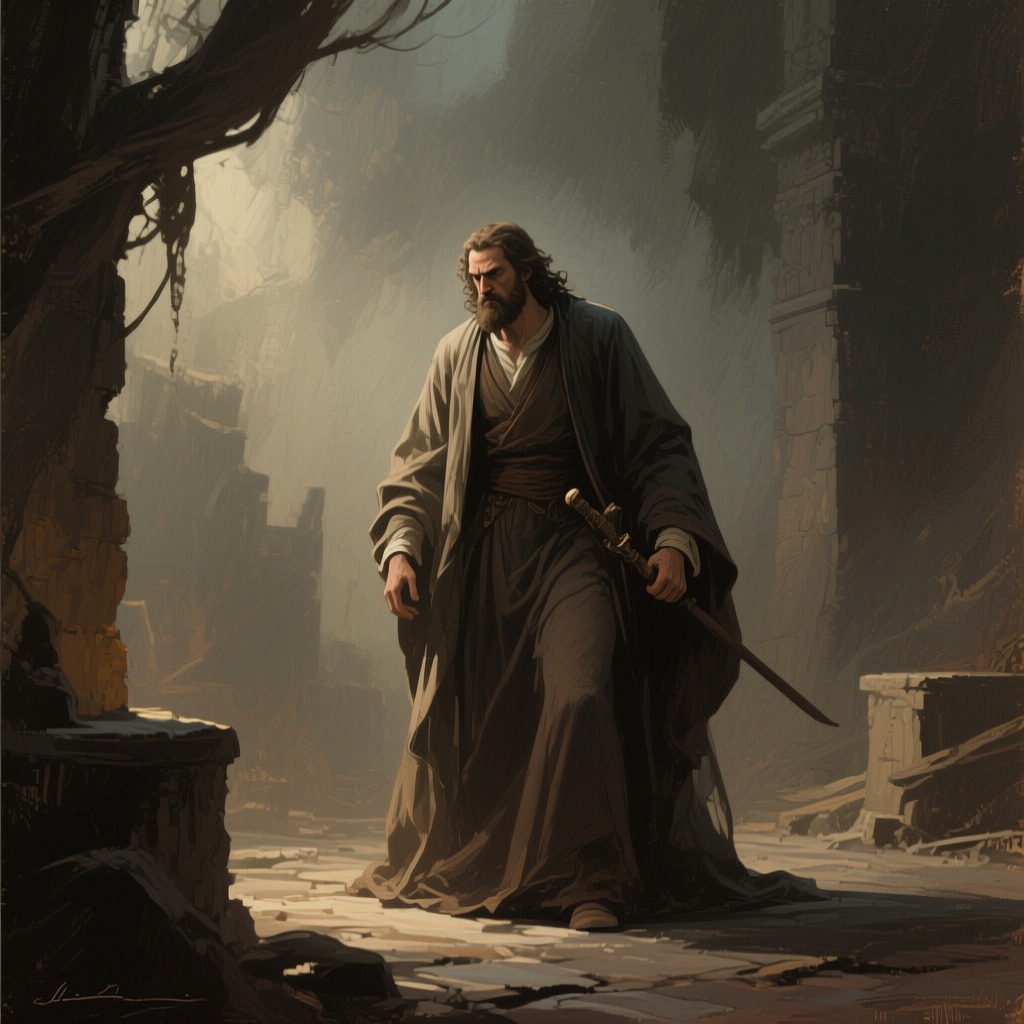
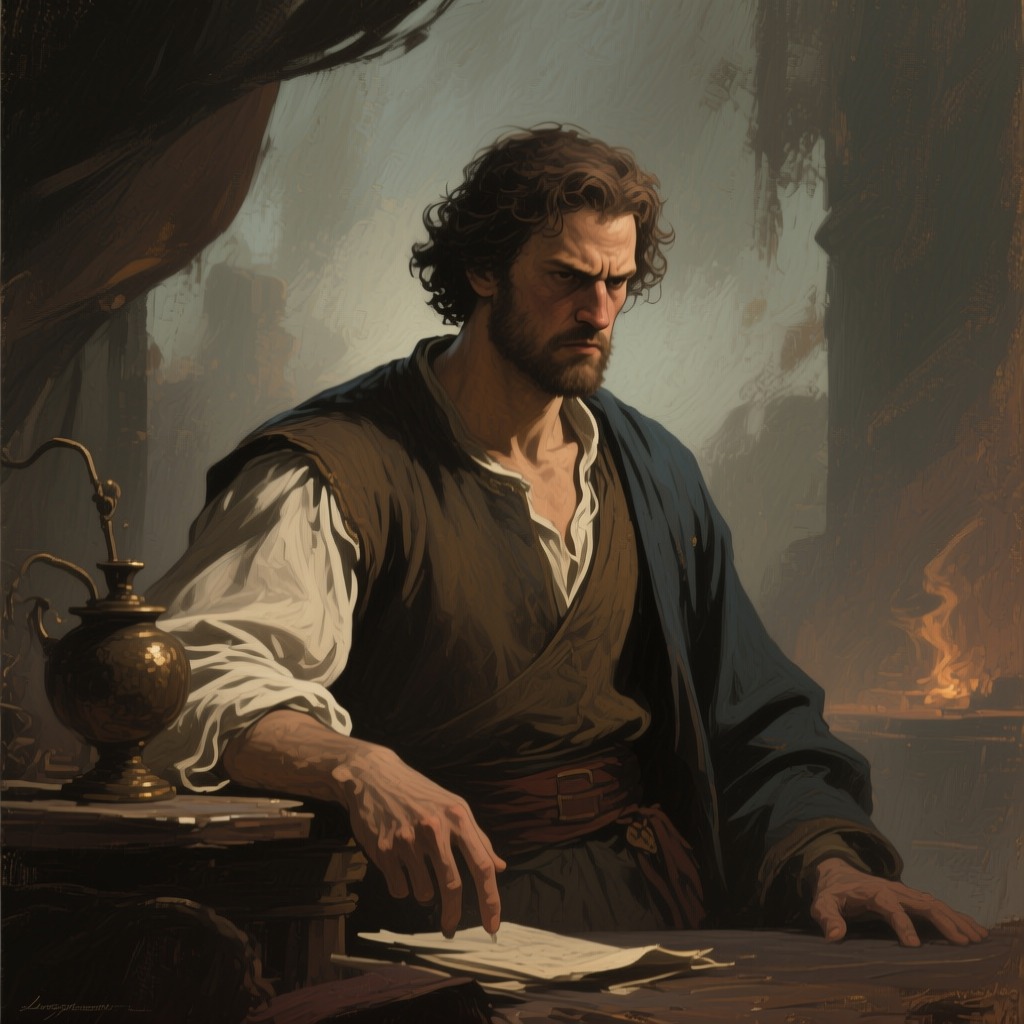
The leg in a tree is one of the most indelible and disturbing images in Ian McEwan's Atonement, a severed child's limb lodged in the fork of a plane tree that Robbie Turner and his two companions, Corporals Mace and Nettle, encounter during their desperate retreat to Dunkirk in late May 1940. The leg is not merely a gruesome detail of war; it becomes a recurring psychic wound for Robbie, a symbol of the industrial-scale annihilation of innocence, and a silent accusation that haunts him through the remainder of his journey and beyond.
Appearance and Immediate Impact
Robbie first sees the leg as he and the corporals pause by a bombed railwayman's cottage, having just realized he has been carrying a dead captain's map in his left hand for over an hour. The leg is twenty feet up, wedged in the first forking of a mature plane tree that is "only just in leaf" . It is bare, severed cleanly above the knee, and from where the soldiers stand there is no sign of blood or torn flesh. The leg is described as "a perfect leg, pale, smooth, small enough to be a child's" . The way it is angled in the fork makes it seem to be on display, "for their benefit or enlightenment: this is a leg" . The corporals make a dismissive sound of disgust and refuse to be drawn in, but Robbie is profoundly shaken. He sets off down the path in a hurry, almost at a half run, wanting to get ahead and out of sight so that he can throw up or defecate—his body chooses the first option behind a barn . The leg is the unexpected detail that "threw him and afterward would not let him go" .
Recurrence and Psychological Weight
The image of the leg does not fade. Later that evening, after the soldiers have been fed by the Bonnet brothers at their farm, Robbie thinks about telling the Frenchmen of his own "single, haunting detail" but decides not to, because he does not want to add to the horror or give life to the image while it remains at a distance, held there by wine and companionship . That night, lying on his back in the barn, unable to sleep, Robbie's thoughts turn to the French boy asleep in his bed, and to the indifference with which men can lob shells into a landscape or empty their bomb bays over a sleeping cottage without knowing or caring who is there. He reflects that it is an industrial process, and that the men of the Royal Artillery units he has seen are proud of their speed and discipline, but they "need never see the end result—a vanished boy" . The leg is thus linked directly to the vanished boy, and the word "vanished" itself triggers a plunge into memory: Robbie is back in his prison cell, smelling the concrete floor and the piss in the bucket, thinking of "another vanished boy, another vanished life that was once his own" . The leg in the tree becomes a portal between the present horror of war and the past horror of his wrongful imprisonment, both of which have stolen his life.
The Leg as a Symbol of War's Random Destruction
Later, as the column of retreating soldiers and refugees passes more bodies in the road, in the gutters, and on the pavement—dozens of them, soldiers and civilians—the stench is cruel, insinuating itself into the folds of Robbie's clothes . The leg in the tree is part of this larger landscape of death, but its peculiar, almost aesthetic placement makes it stand out. It is a synecdoche for the war's capacity to reduce a human being to a single, absurd, and terrible object. The leg is not just a body part; it is a sign, a message that the war is sending to those who pass through it. Robbie's inability to forget it, his need to "go back and get the boy from the tree" , reveals his survivor's guilt and his desperate, irrational desire to restore order and meaning to a world that has become chaotic and meaningless. The leg is the image that will not let him go, the detail that, more than any other, encapsulates the horror of the retreat and the cost of the war. It is a reminder that the innocent—children, civilians—are the ones who pay the highest price, and that Robbie, who has himself been a victim of injustice, is now a witness to an even greater, more impersonal cruelty.