Paul Marshall
Paul Marshall is a wealthy chocolate manufacturer and the rapist of Lola Quincey, whose crime Briony Tallis falsely attributed to Robbie Turner, setting the novel's tragic plot in motion. His wealth, social position, and marriage to Lola Quincey allow him to escape accountability, while his public persona as a philanthropist contrasts sharply with his private guilt.
Identity and Background
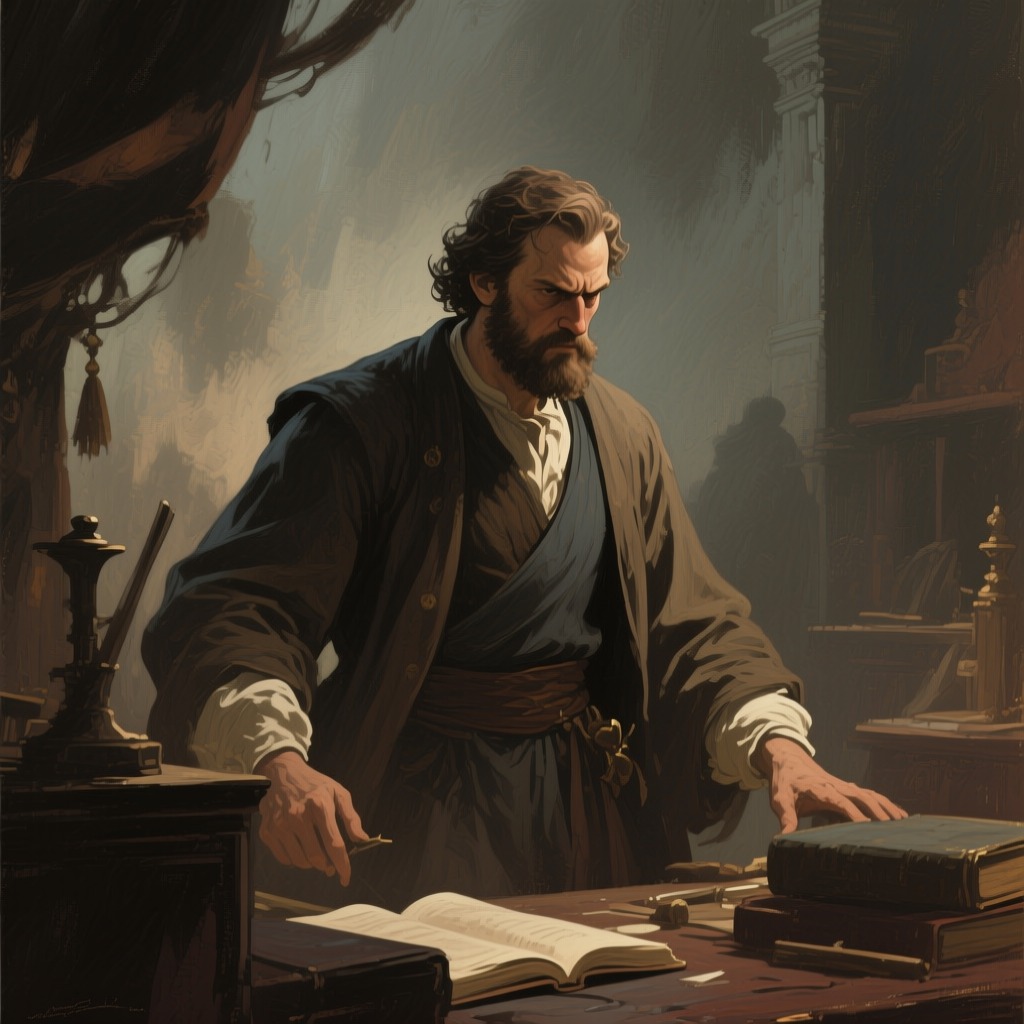
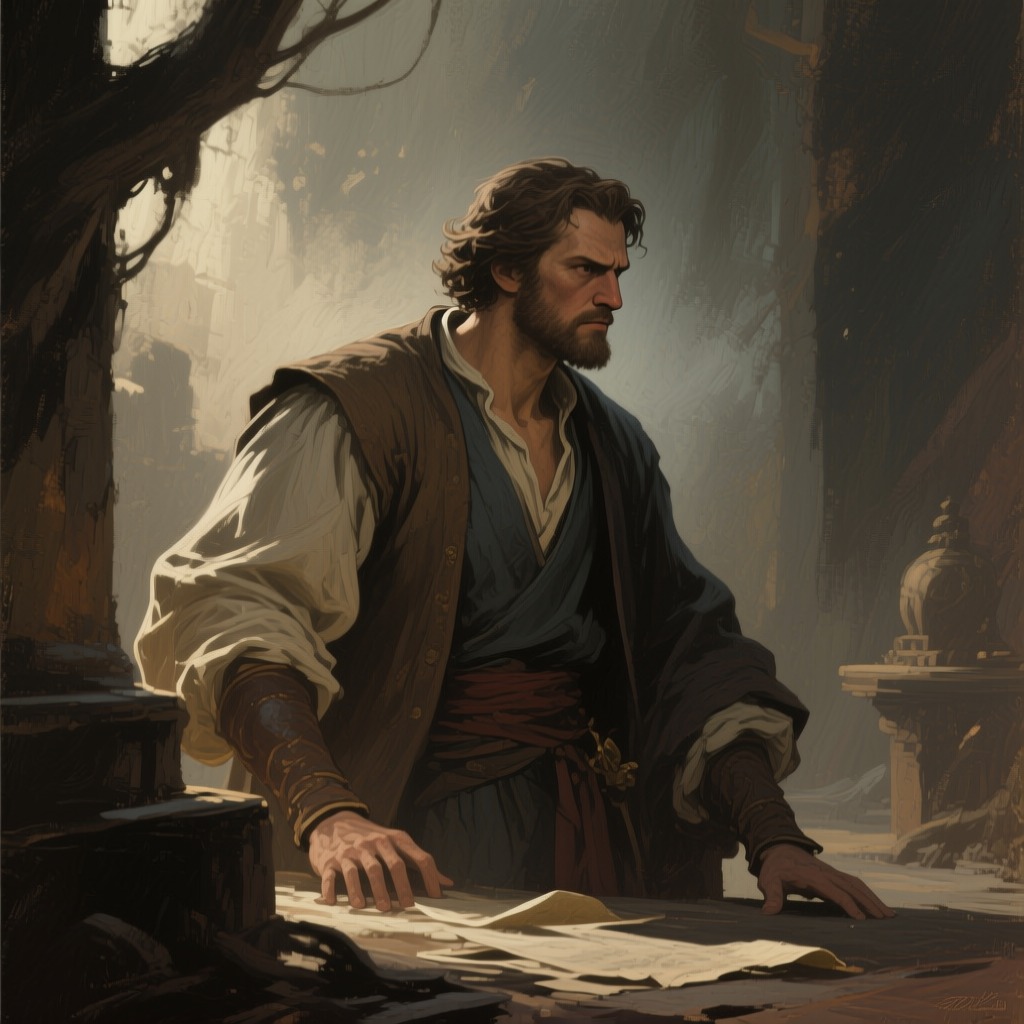
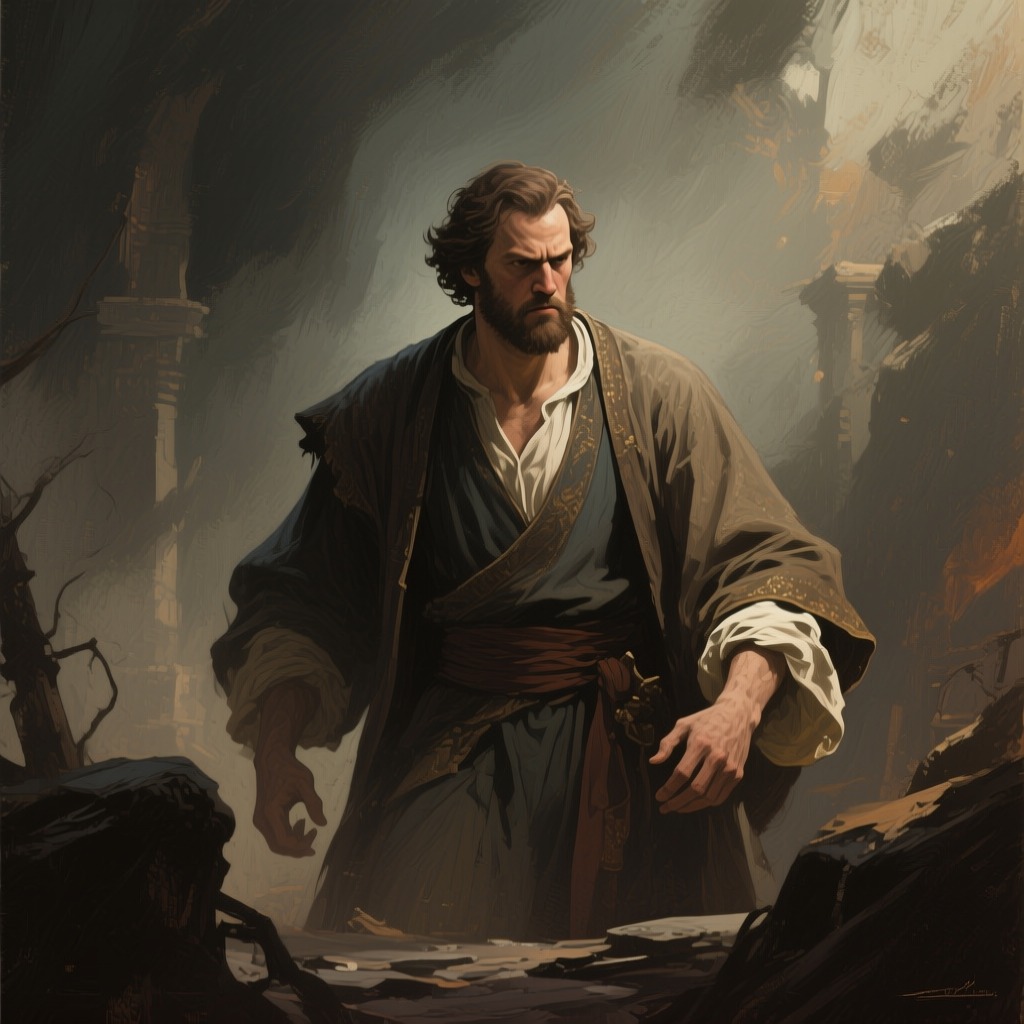
Paul Marshall is introduced as a friend of Leon Tallis, invited to the Tallis family home for a summer dinner in 1935. He is the creator of the Army Amo chocolate bar, a product he hopes to supply to the British military. Marshall is described as having a face that is "comically brooding," with features "scrunched up around the eyebrows" and "a big empty chin like Desperate Dan's." Cecilia Tallis observes that he has "pubic hair growing from his ears" and thinks him "unfathomably stupid." He studied chemistry at university, not literature, and his conversation is dominated by business—the launch of Rainbow Amo, disputes with unions, and the potential for Army Amo to become standard-issue ration. He tells Cecilia and Leon that he has bought a large house on Clapham Common but has hardly had time to visit it.
Role in the Crime and Its Aftermath
On the night of the twins' disappearance, Marshall assaults Lola Quincey by the lake. Briony Tallis, coming upon the scene in the dark, sees a figure she identifies as Robbie Turner and, with Lola's passive confirmation, accuses him. Marshall himself had scratches on his face—a two-inch scratch from the corner of his eye—that he does not explain. When Lola's bruises are noticed at dinner, Marshall claims he "had to break it up and pull them off her," referring to the twins, though it was he who inflicted the injuries. He marries Lola a week after her fifteenth birthday, in a private ceremony at Holy Trinity Church, Clapham Common. The wedding is attended only by immediate family; Briony attends uninvited and watches from the back, understanding that she has made the marriage possible by her false accusation. The marriage effectively silences Lola, who could have identified Marshall as her attacker.
Wealth and Public Persona
Marshall's wealth is built on chocolate manufacturing. He boasts that his product costs "next to nothing" to produce—"sugar, chemicals, brown coloring and vegetable oil. And no cocoa butter." He is confident that Army Amo will be "inside the kit bag of every soldier in the land. Standard issue." By the time of the novel's 1999 frame narrative, Marshall and Lola have become Lord and Lady Marshall, known for their charitable foundation that funds medical research, donations to the Tate gallery, and agricultural projects in sub-Saharan Africa. They are also known for "vigorous libel actions against national newspapers." Briony reflects that "perhaps he's spent a lifetime making amends. Or perhaps he just swept onward without a thought, to live the life that was always his."
Relationship with Lola Quincey
Marshall first meets Lola in the nursery, where he charms her with talk of Hamlet and his shoes from Ducker's in The Turl. He gives her an Army Amo bar and watches her eat it. Lola, then fifteen, is drawn to his "cruel face" combined with a pleasant manner, which she finds an "attractive combination." After the assault, Lola remains silent about the truth, allowing Briony's accusation to stand. Briony later reflects that Lola "saved herself from humiliation by falling in love, or persuading herself she had, and who could not believe her luck when Briony insisted on doing the talking and blaming." In 1999, Briony sees the Marshalls outside the Imperial War Museum: Lola, now nearly eighty, is "still as lean and fit as a racing dog, and still faithful." Marshall is frail, using a walking stick, and must be helped into his car.
Narrative Significance
Marshall functions as the true villain whose crime is never punished. His wealth and social standing protect him, while Robbie Turner, an innocent man of lower class, is convicted and imprisoned. The marriage of Marshall and Lola seals the falsehood, making it impossible for Briony to recant without exposing her cousin. Briony's final novel, written over fifty-nine years, cannot be published during the Marshalls' lifetimes because of libel law. Marshall's continued freedom and public success embody the novel's central injustice: the powerful escape accountability, while the innocent suffer. His presence in the 1999 frame narrative forces Briony to confront the permanence of her crime and the impossibility of atonement.