Pierrot Quincey
Pierrot Quincey is one of the twin cousins from the north who arrives at the Tallis house in the summer of 1935, a refugee from his parents' bitter divorce. Along with his brother Jackson, he is conscripted into Briony Tallis's play The Trials of Arabella, which he openly hates, and his presence in the household becomes a catalyst for the novel's central tragedy. His vulnerability, his homesickness, and his role as a silent witness to the assault on his sister Lola make him a figure of pathos and a key element in the chain of events that leads to Robbie Turner's false accusation and arrest.
Identity and Background
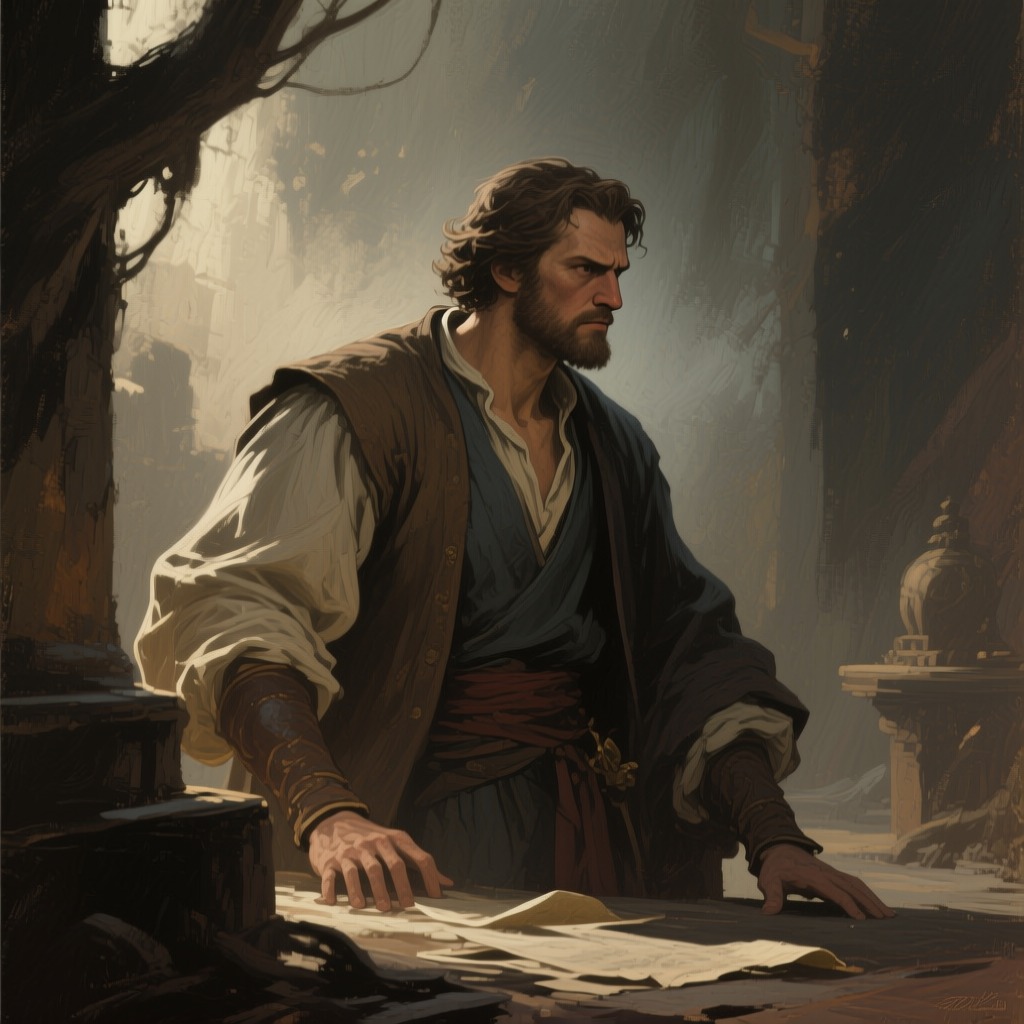
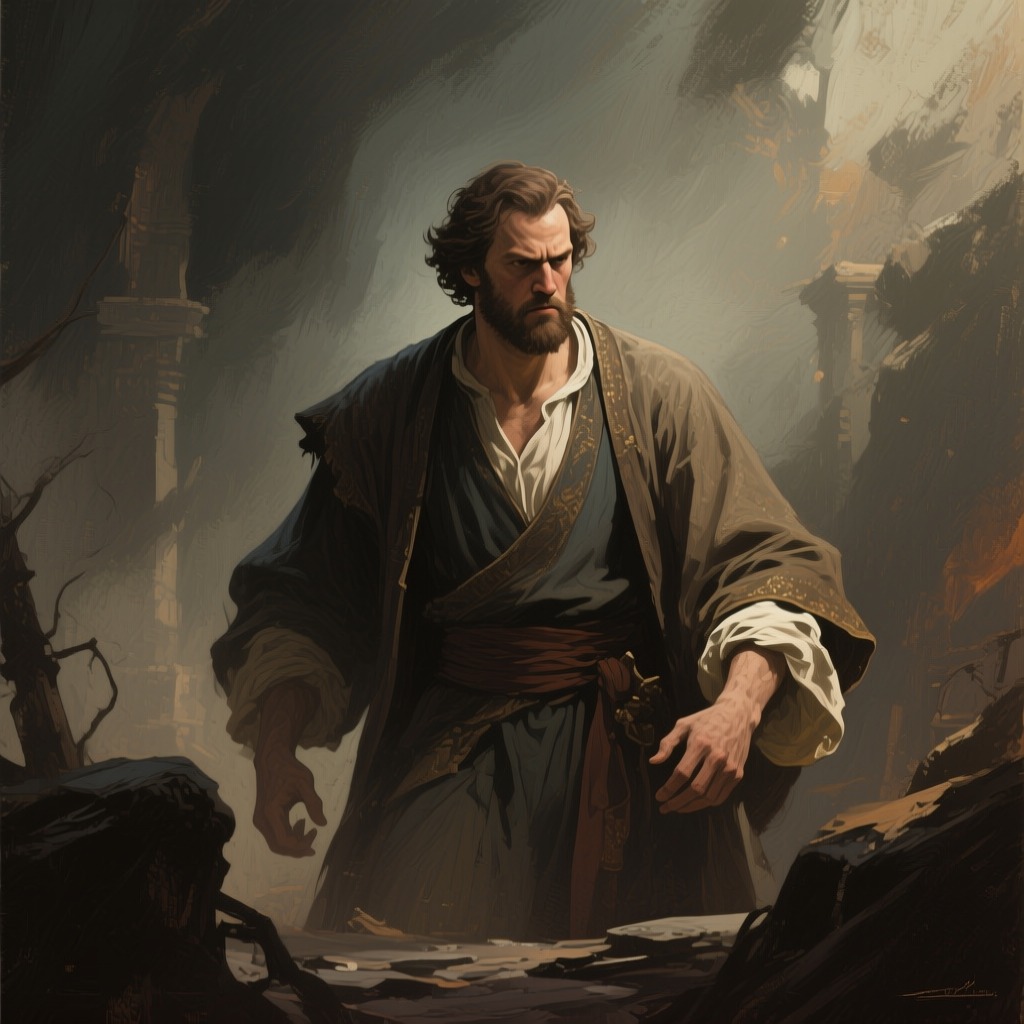
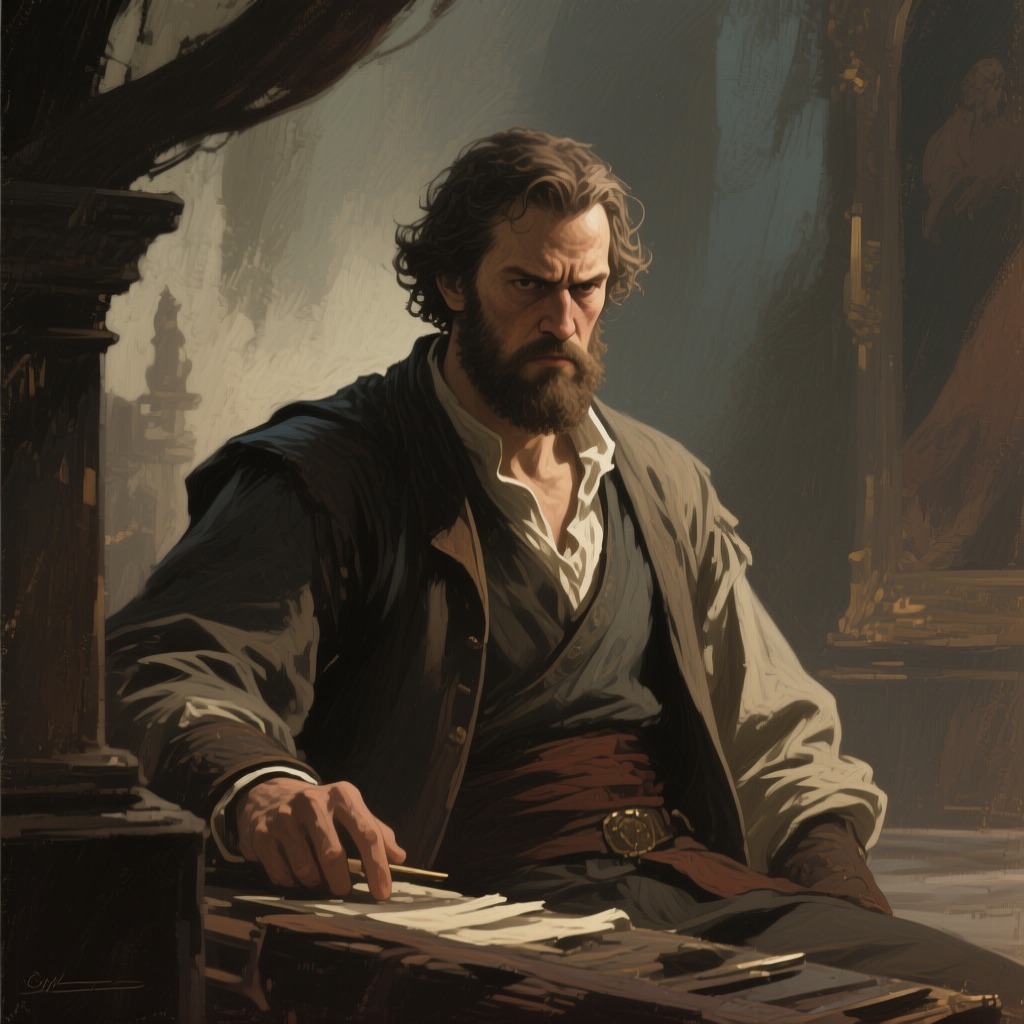
Pierrot Quincey is one of the twin sons of Hermione and Cecil Quincey, and the younger brother of Lola Quincey. He and his twin Jackson are ginger-haired and freckled, and are so alike that strangers cannot tell them apart; the only distinguishing mark is a missing triangle of flesh from Pierrot's left earlobe, the result of a dog he tormented when he was three. The twins are refugees from a bitter domestic civil war—their parents' divorce—and their visit to the Tallis house is open-ended, possibly extending into term time. They arrive dazed and huddled together by the trap with their luggage, and are immediately greeted by Briony, who shouts at them about their parts in her play.
Life at the Tallis House and the Failed Play
Pierrot is a reluctant participant in Briony's theatrical ambitions. At the first rehearsal, he declares, "I hate plays and all that sort of thing," and when Briony invokes Shakespeare, he and Jackson find their courage in each other, asserting that "Everyone knows he was" just showing off. He is coerced into the play by Lola, who threatens to speak to "The Parents" if he does not comply. He asks to play the wicked count, saying, "I want to be a bad person." His performance is inept; he intones his lines as a roll call of words, and when Briony tries to correct his inflection, he produces a roll call on a rising chromatic scale. He is nervous about his brother Jackson's fate in the laundry, making frequent trips to the lavatory, and asks Briony, "Has he had the spanking?" The rehearsals disintegrate when Briony abandons them, and the twins are left in the nursery, where Pierrot begins to sob quietly, mindful of being in a strange house where politeness is all.
The Twins' Flight and the Assault on Lola
After the play collapses, the twins' homesickness deepens. Jackson blurts out the word "divorce," which has never been used in front of the children, and Pierrot freezes. Lola seizes Jackson by the ear and forbids him from ever using the word again. Pierrot, eager to repair the situation, asks brightly, "What shall we do now?" Later, the twins attack Lola, scratching her arm and giving her Chinese burns on her wrists. They then write a note saying they are going to run away because Lola and Betty are horrid to them, and they sign their names with zigzag flourishes. They are found by Robbie Turner, who carries Pierrot on his shoulders and holds Jackson's hand as he returns them to the house at dawn. Pierrot lets his head loll against Robbie's waist and draws the man's hand across his chest for protection or warmth.
Later Life and Thematic Significance
Decades later, at Briony's seventy-seventh birthday celebration in 1999, Pierrot is described as much shriveled and with a shining pate, but still twinkly and very much the paterfamilias. He is the organizing spirit behind a surprise performance of The Trials of Arabella, which he watches with his handkerchief out, dabbing at his eyes, overcome with emotion. He is the one who found the copy of the play, and the performance is a poignant reenactment of the lost summer of 1935. Pierrot's presence in the novel underscores the themes of childhood vulnerability, the destructive impact of divorce, and the long shadow cast by a single summer's events. His silent witness to the assault on Lola, and his later role in the birthday performance, make him a figure of continuity and memory, linking the novel's past and present.