The Bridge
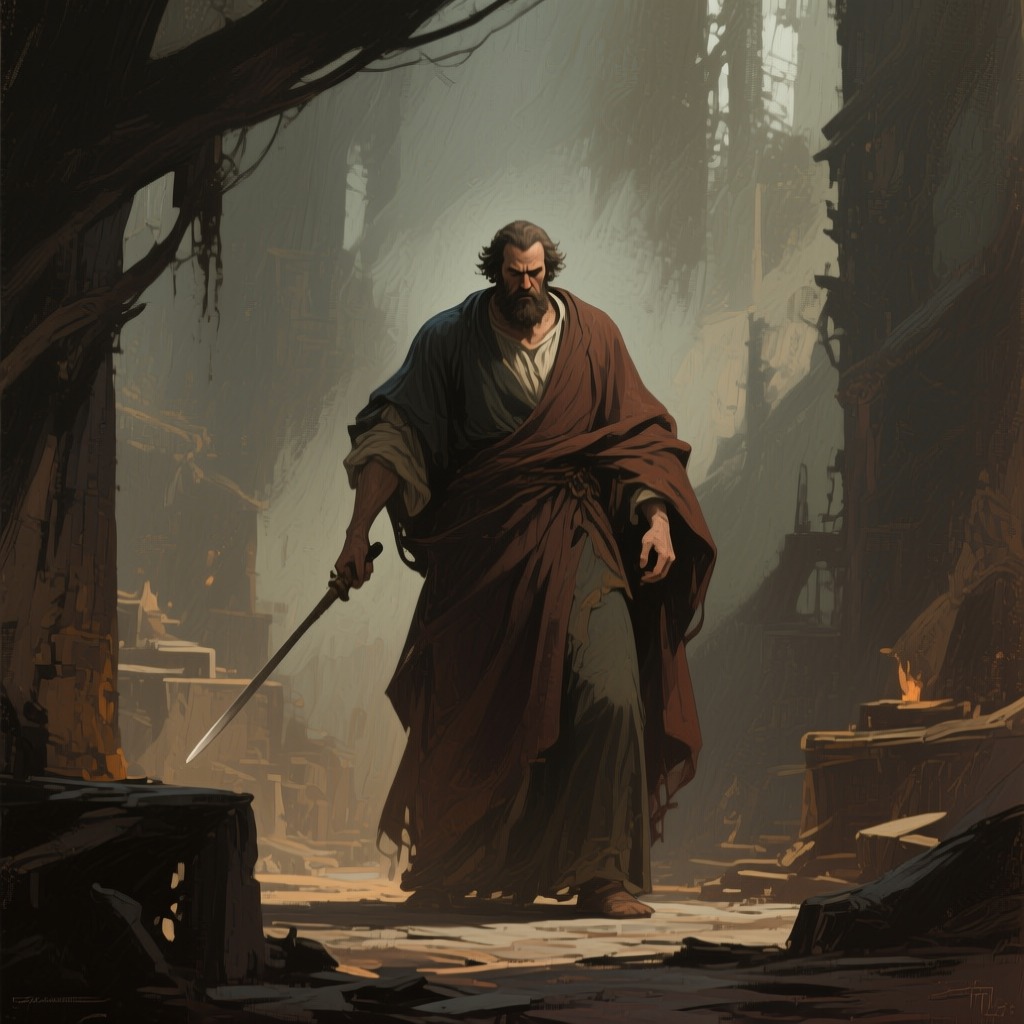
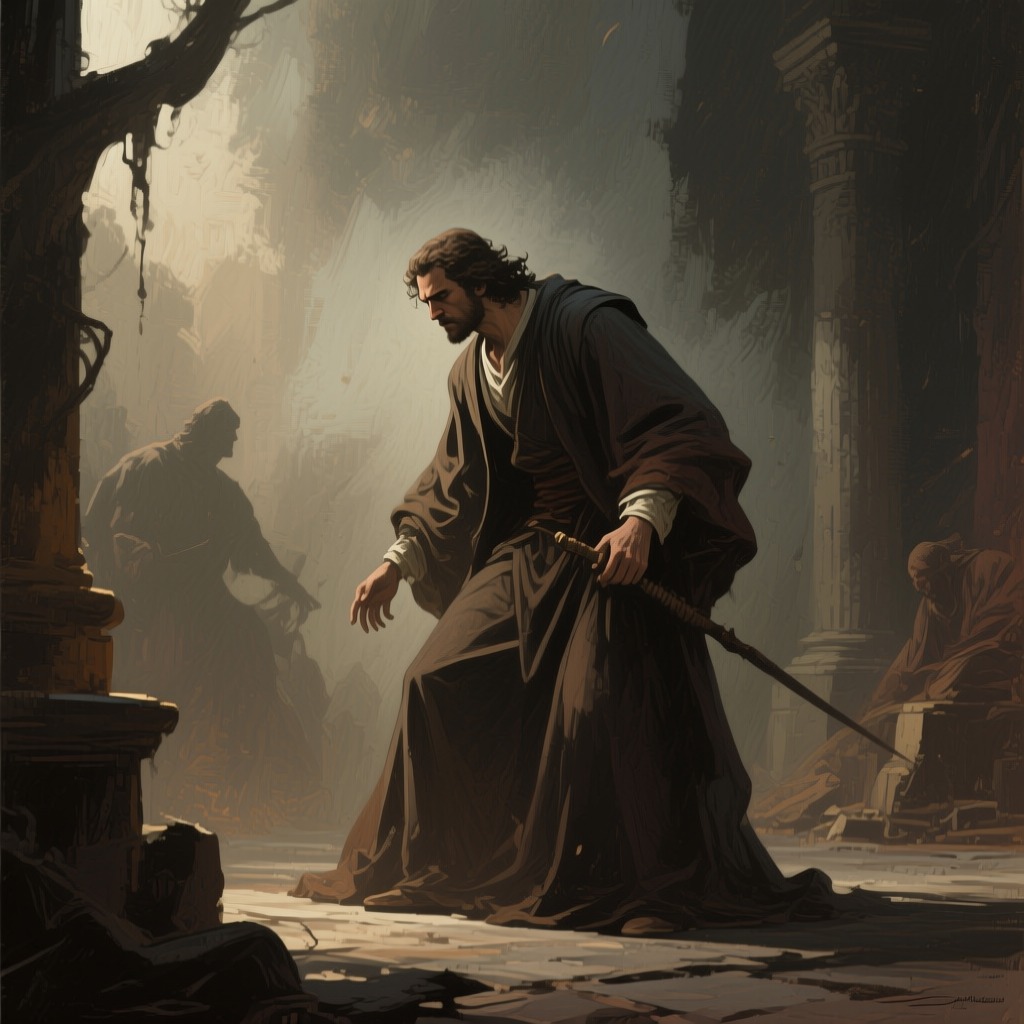
The Bridge is the stone bridge that spans the artificial lake on the Tallis estate, connecting the main driveway to the artificial island and the island temple beyond. It is a threshold between the house and the wilder grounds, a place of passage and encounter. On the evening of the fateful day in 1935, Briony Tallis, barefoot and in a dirty white dress, stands on the bridge waiting for something significant to happen to her, challenging existence to dispel her insignificance. It is here that Robbie Turner, approaching the house for dinner, finds her and asks her to deliver a letter to Cecilia. Briony takes the envelope without a word and runs off across the bridge, carrying the letter that will change all their lives. The bridge is thus the site where the misdelivered letter—the obscene draft instead of the innocuous apology—begins its journey into Briony's hands, and where Briony's role as a messenger and, later, as a false witness is set in motion.
The Bridge as a Site of Encounter and Misunderstanding
The bridge is where Robbie Turner, walking toward the house in a state of elation and dread, encounters Briony. He sees her as a white shape against the darkness of the road, motionless, and assumes she is watching him. He calls out to her, but she does not move. When he reaches her, he asks her to run ahead and give the note to Cecilia. Briony takes the envelope without a word and runs off across the bridge. Robbie watches her bobbing and receding form fade into the dusk, contentedly thinking of her as a girl at an awkward age. It is only when she disappears from sight that he is seized by horror and absolute certainty: he has given her the wrong letter, the obscene draft instead of the innocuous one. The bridge thus becomes the point of no return, the place where a simple errand turns into a catastrophe.
The Bridge as a Site of Accusation
Later that same night, after the assault on Lola Quincey, Briony and Lola sit by the lake near the bridge. Briony, having already read Robbie's letter and witnessed the library scene, is convinced of his guilt. When Lola hesitates to name her attacker, Briony insists, "It was Robbie, wasn't it?" and then, without a trace of a question, "It was Robbie." Lola, who has been silent, finally says, "You saw him." Briony replies, "Of course I did. Plain as day. It was him." The bridge, which had been the site of the letter's delivery, now becomes the site of the false accusation that will send Robbie to prison. The bridge is thus a place where truth is distorted and a life is ruined.
The Bridge as a Site of Farewell and Memory
Years later, in 1940, after Robbie has been released from prison and is retreating to Dunkirk, he remembers the bridge. In his fevered, exhausted state, he recalls the feel of the gravel through his thin-soled shoes and the icy touch of the handcuffs on his wrists. He remembers Cecilia running out across the gravel to speak to him by the open police car door, and he remembers her saying, "I'll wait for you. Come back." The bridge, in his memory, is the place where his life was broken and where his love for Cecilia was affirmed. In the final section of the novel, set in 1999, Briony, now an elderly novelist, returns to the Tallis estate, now a hotel. She stands at the window of her room and looks out at the park and the bridges over the vanished lake. The bridge, like the lake, is gone, replaced by a lawn. The bridge, once a physical structure, has become a memory, a symbol of the past that can never be recovered.
The Bridge as a Symbol of Threshold and Transformation
The bridge is a threshold between the house and the island, between the known and the unknown, between childhood and adulthood. For Briony, standing on the bridge in the dusk, it is a place of waiting and challenge. For Robbie, crossing the bridge, it is a place of hope and dread. For Cecilia, the bridge is a place of farewell and memory. The bridge is also a place of transformation: it is where Briony receives the letter that will change her life, where she makes her false accusation, and where she later, in memory, confronts the consequences of her actions. The bridge, like the novel itself, is a place where the past and the present, the real and the imagined, converge.