
Robbie's Arrest and the Family's Complicity
AtonementExamines the arrest of Robbie and the role of the Tallis family in his conviction.
increasing Bearing strength in each event
 decreasing
Bearing strength in each eventdecreasingThe arrest
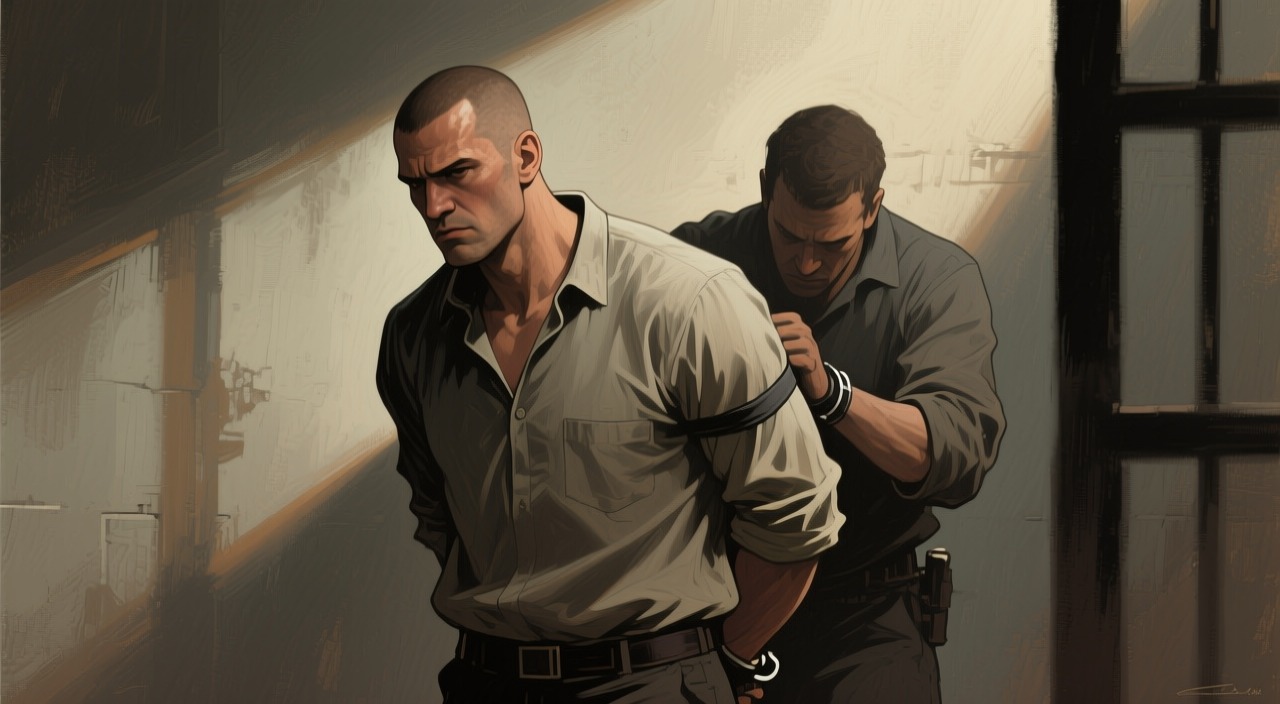
The Handcuffs
The Return
Robbie returns to the house carrying the lost twins. He is met by police who have been waiting for him. Briony's testimony and the obscene letter are enough to arrest him. He is handcuffed and taken away.
The Shock
Robbie is stunned. He has just spent the night searching for the twins, and now he is being arrested for a crime he did not commit. He protests his innocence, but no one listens.
The Injustice
The arrest is a miscarriage of justice. The police have not investigated other suspects, like Danny Hardman. They have accepted Briony's story without question. Robbie is a victim of class prejudice and a family's desire for a quick resolution.
The family's complicity

The Silence
Emily's Acceptance
Emily Tallis believes Briony's story. She sees Robbie as a dangerous man who has betrayed the family's trust. She does not question the evidence. Her class prejudice and her desire to protect her family lead her to support the prosecution.
Jack's Absence
Jack Tallis is absent during the arrest. When he learns of it, he does not intervene. He accepts the police's version of events. His failure to question the evidence is a form of complicity. He chooses to believe Briony rather than face the truth.
Leon's Passivity
Leon, Cecilia's brother, goes along with the family. He does not defend Robbie. He is too concerned with maintaining harmony. His passivity makes him complicit. The family's collective failure to seek the truth condemns an innocent man.
dawn, 1935 summer
1935, after the arrest
