
The Power of Storytelling and Imagination
AtonementExamines how storytelling shapes the characters' lives, from Briony's play to her final novel.
increasing Bearing strength in each event
 decreasing
Bearing strength in each eventdecreasingBriony's early stories
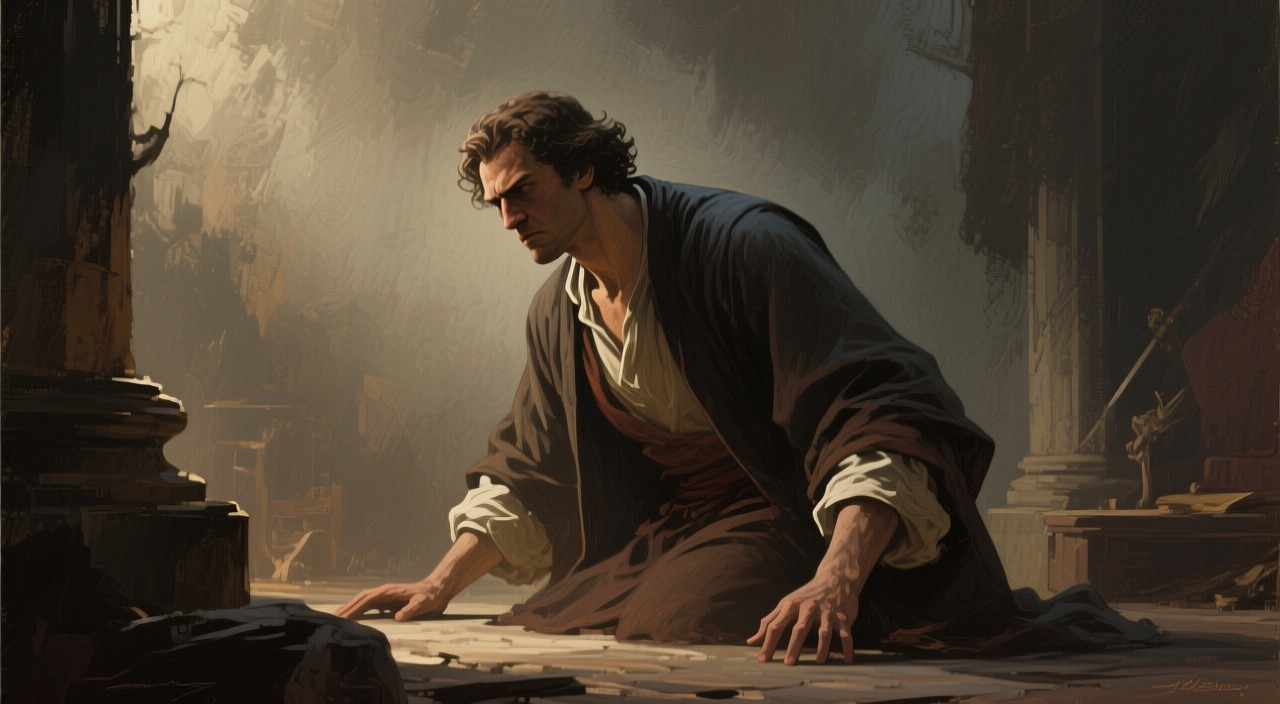
The Budding Writer
The Miniaturist
Briony loves to write stories. She creates miniature worlds with clear moral boundaries. Her early tales are imitative of folktales, with heroes and villains. Writing gives her a sense of control over the chaotic world.
The Play
"The Trials of Arabella" is her first play. It is a melodrama about love and good sense. She expects it to impress her brother Leon. The play is her attempt to shape reality according to her desires.
The Failure
The play fails because reality refuses to conform to her script. The cousins cannot act, Lola steals the lead role. Briony realizes that stories are easier to control than people. This lesson will have tragic consequences.
The novella
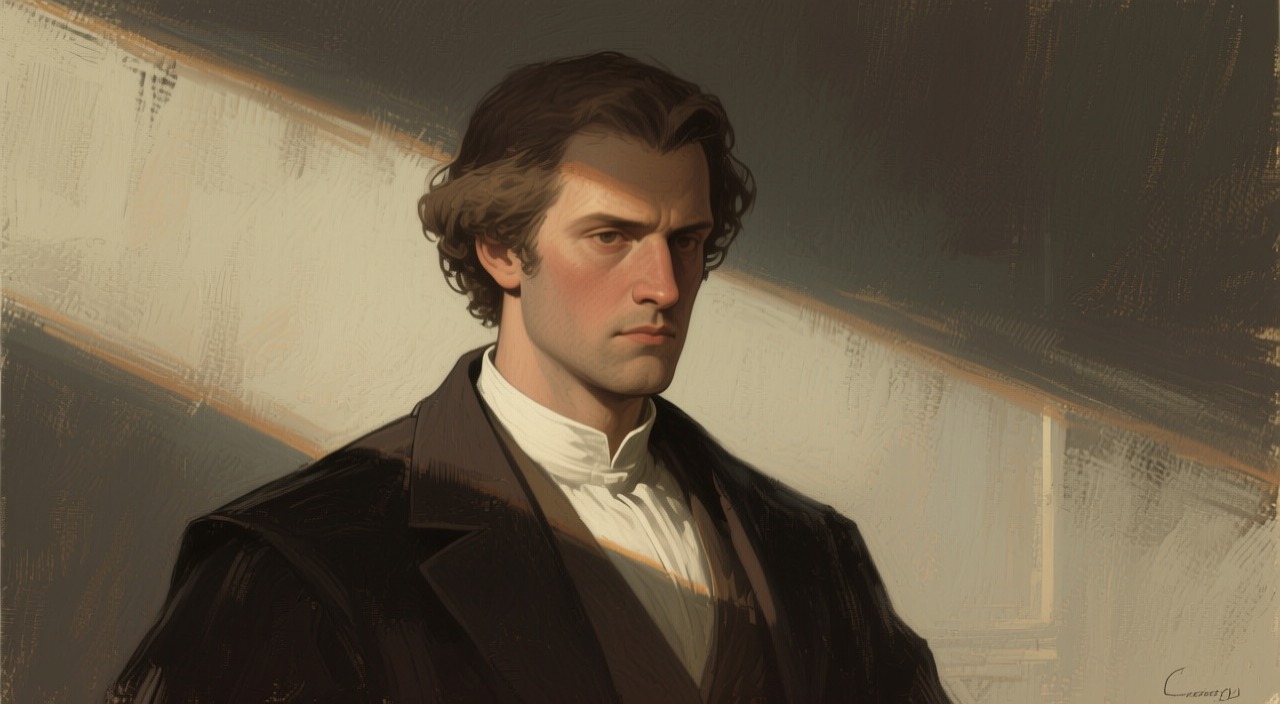
The Modernist Experiment
The Three Perspectives
Briony writes "Two Figures by a Fountain," a novella that tells the story of the fountain scene from three points of view. She tries to capture the flow of consciousness, the ambiguity of perception.
The Rejection
Cyril Connolly rejects the novella, criticizing its lack of narrative drive. He tells Briony she needs "the backbone of a story." The rejection is a turning point: she realizes that her literary evasion mirrors her moral evasion.
The Lesson
Briony learns that storytelling is not just about style. It is about truth and consequences. She must tell the story of what she did, with all its moral weight. The rejection pushes her toward the novel that will become "Atonement."
The final novel
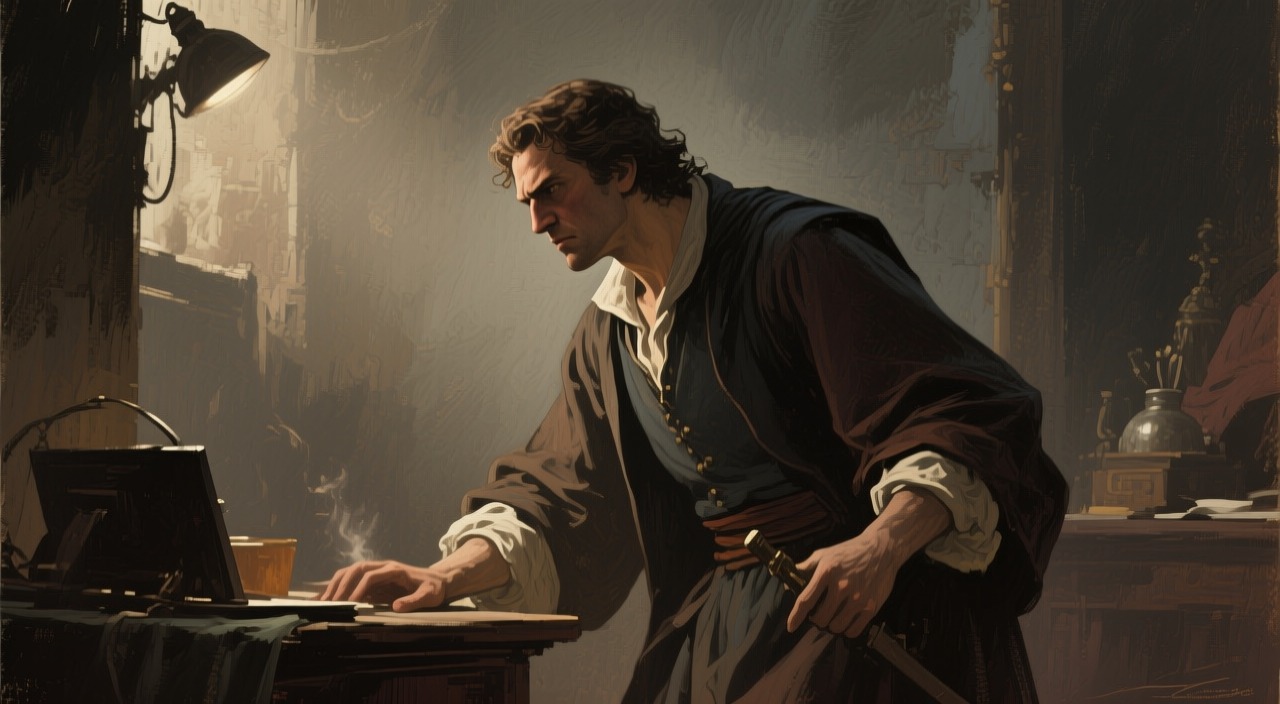
The Atonement
The Fifty-Nine-Year Project
Briony spends the rest of her life writing and rewriting the story of that summer. The novel is her attempt to atone for her crime. She cannot undo the harm, but she can bear witness to the truth.
The Power of Fiction
In her novel, Briony gives Robbie and Cecilia a happy ending. She knows it is a fiction, but she chooses hope over despair. Fiction has the power to create alternative realities, to offer comfort and redemption.
The Limits
But fiction cannot change the past. Briony cannot be forgiven by the dead. The attempt at atonement is all she has. The novel is both a confession and a gift—a testament to the power and limits of storytelling.
childhood, before 1935
1940
1940-1999
