
The Nature of Truth and Memory
AtonementExplores how truth is subjective and memory unreliable, as seen through the multiple perspectives in the novel.
increasing Bearing strength in each event
 decreasing
Bearing strength in each eventdecreasingThe fountain scene
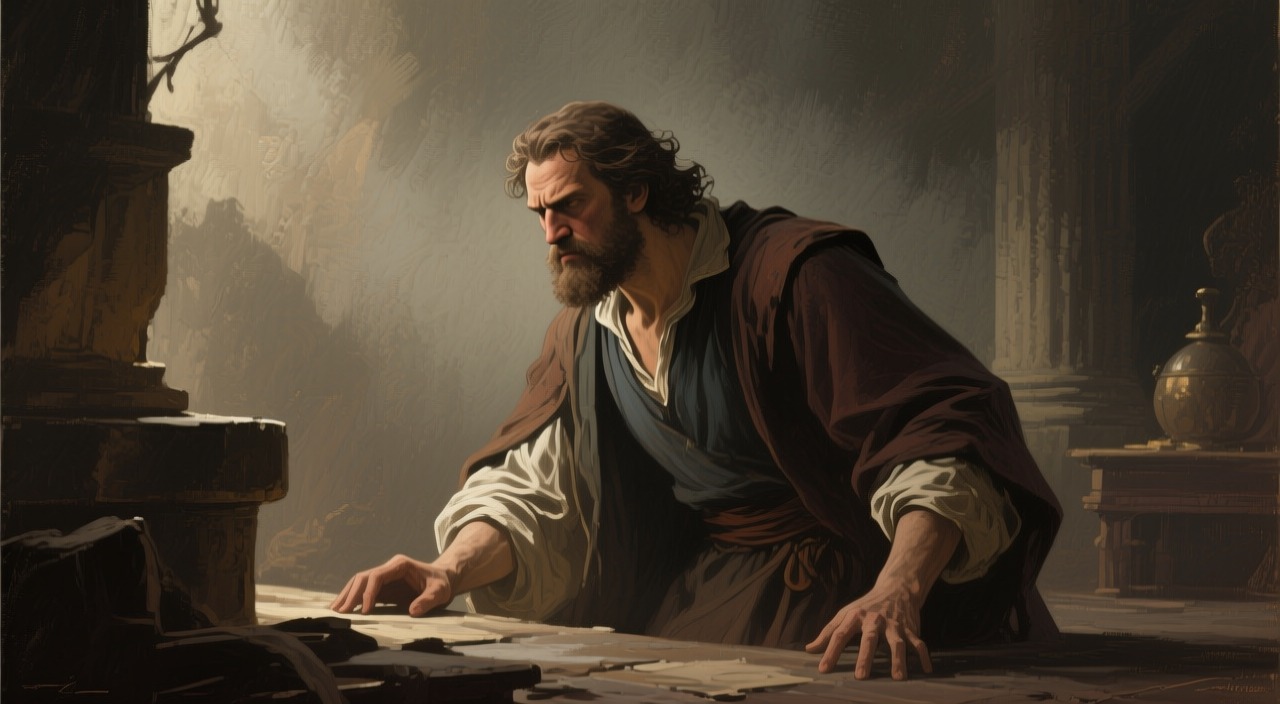
The Multiple Perspectives
Briony's View
From the nursery window, Briony sees a struggle, a command, a woman stripping. She interprets it as a threat. Her perspective is limited by her age and her imagination.
Cecilia's View
Cecilia sees an accident, a fight over a vase, her own impulsive act. She is angry and embarrassed. She does not see herself as a victim.
Robbie's View
Robbie sees a beautiful woman, a moment of intimacy, a disaster. He is aroused and guilty. The truth is different for each of them. There is no single objective reality.
The accusation
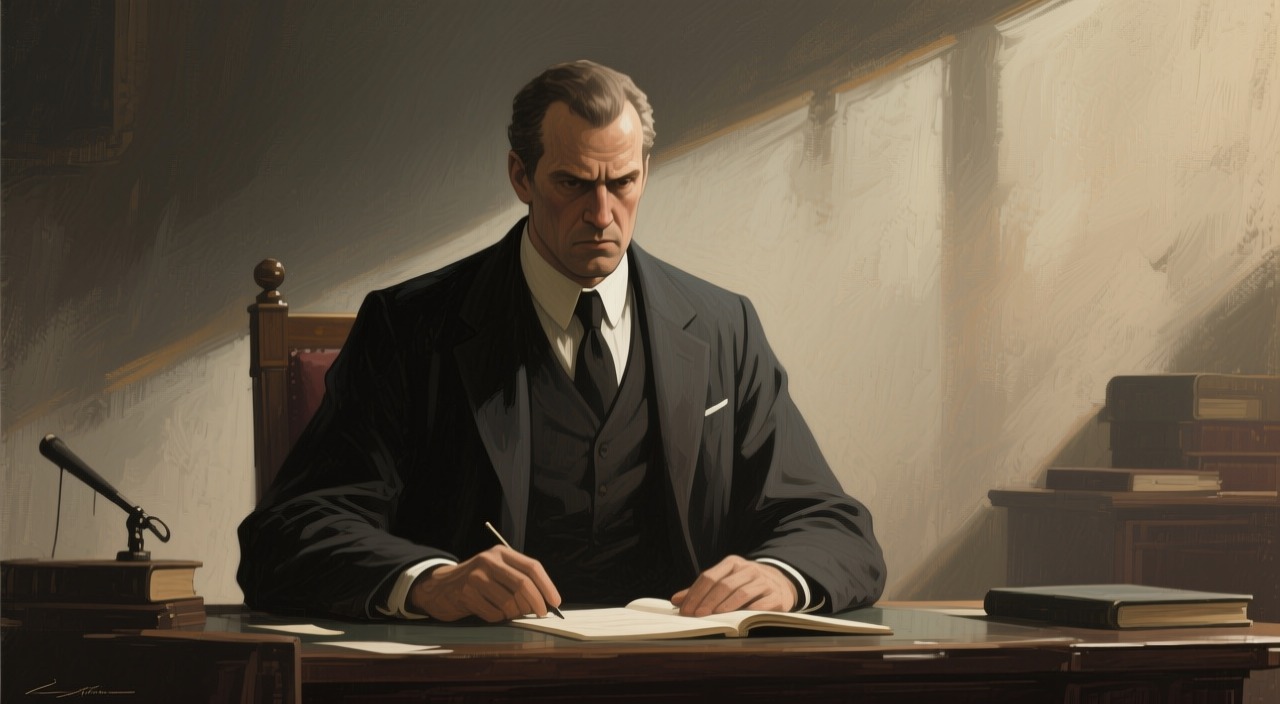
The Unreliable Witness
Briony's Certainty
Briony claims she saw Robbie assault Lola. She is absolutely certain. But the light was poor, and she was far away. Her certainty is based on what she believes, not what she saw.
Lola's Silence
Lola knows the truth but remains silent. She lets Briony's version stand. The truth is suppressed. The official story becomes the accepted truth.
The Consequences
The false accusation becomes the truth in the eyes of the law. Robbie is convicted. The novel shows how easily truth can be distorted by perception, prejudice, and silence.
Briony's novel
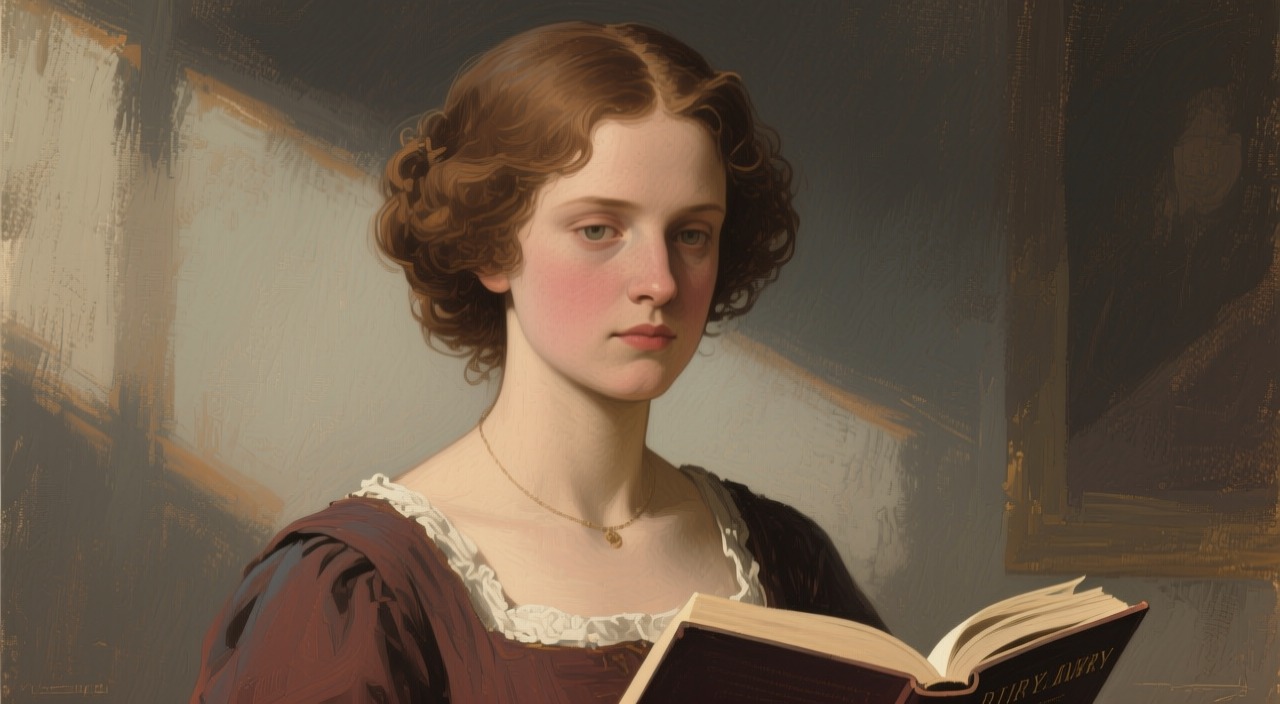
The Final Version
The Multiple Drafts
Briony has written many versions of the story. Each draft is an attempt to get closer to the truth. But the truth is elusive. She must choose which version to believe.
The Happy Ending
In her final draft, Briony gives Robbie and Cecilia a happy ending. She knows it is a fiction. But she chooses hope over despair. The truth is too painful to bear.
The Question
The novel leaves the reader wondering: what really happened? The answer is ambiguous. Briony's novel is both a confession and a creation. The truth is ultimately unknowable.
midday, 1935 summer
night, 1935 summer
1999
