
The Role of Art in Life
AtonementExplores how art—writing, music, performance—shapes and reflects the characters' lives.
increasing Bearing strength in each event
 decreasing
Bearing strength in each eventdecreasingBriony's play
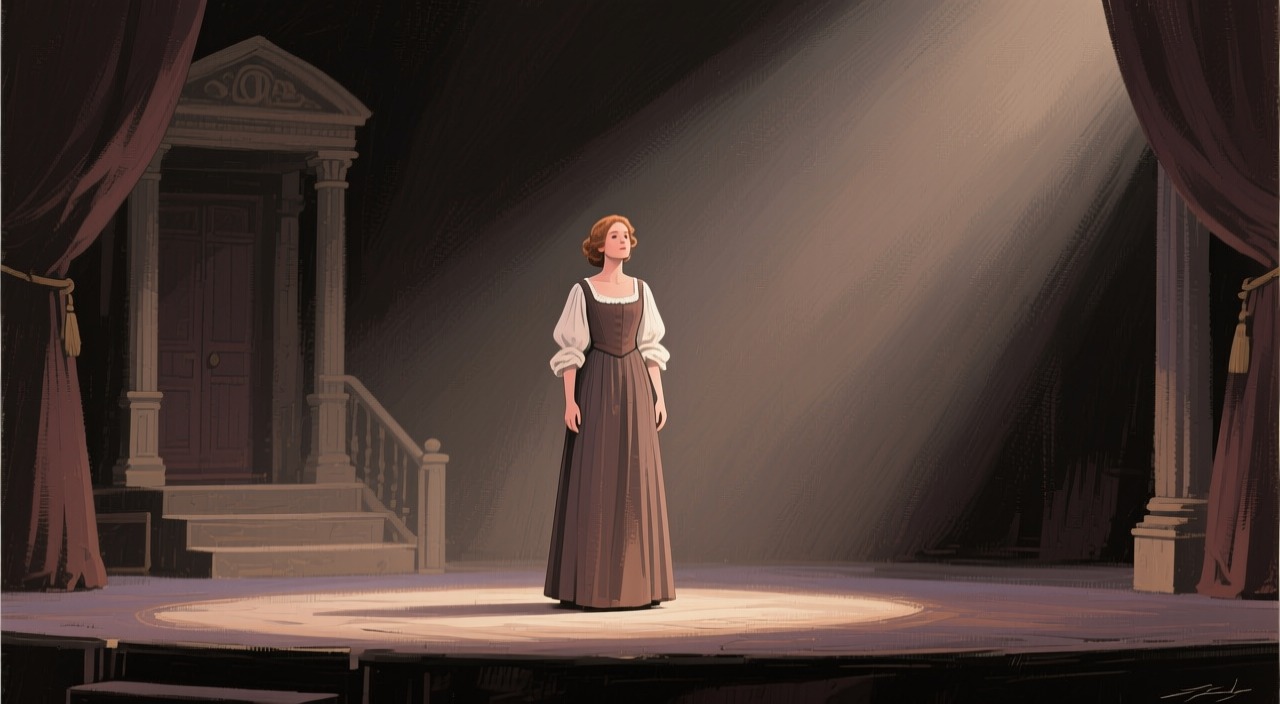
The First Attempt
The Creation
Briony writes "The Trials of Arabella" as a gift for her brother. The play is a melodrama about love and good sense. It is her first attempt to shape reality through art.
The Failure
The play fails because reality refuses to conform. The cousins cannot act, Lola steals the lead. Briony learns that art cannot control life. The lesson is painful but important.
The Legacy
Sixty-four years later, the play is performed at Briony's birthday. The performance is a tribute to her lifelong engagement with art. The play has come full circle.
The letters
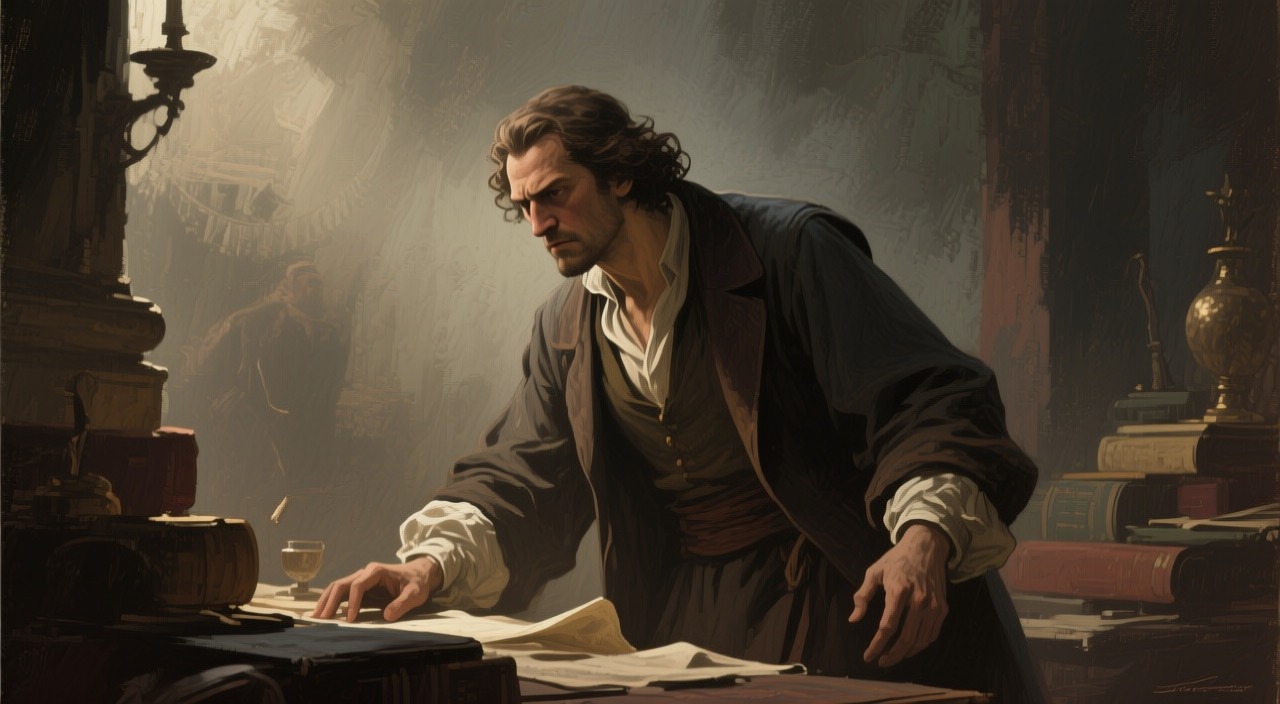
The Written Word
The Correspondence
Robbie and Cecilia's letters are their lifeline. They write about literature, using characters as codes. The letters are a form of art that sustains their love.
The Poem
Cecilia sends Robbie a poem by Auden: "In the deserts of the heart / Let the healing fountain start." The poem speaks to their situation. Art offers solace and hope.
The Power
The letters and poems show the power of the written word to connect people across distance and time. Art can express what cannot be said aloud. It is a form of resistance against despair.
Briony's novel
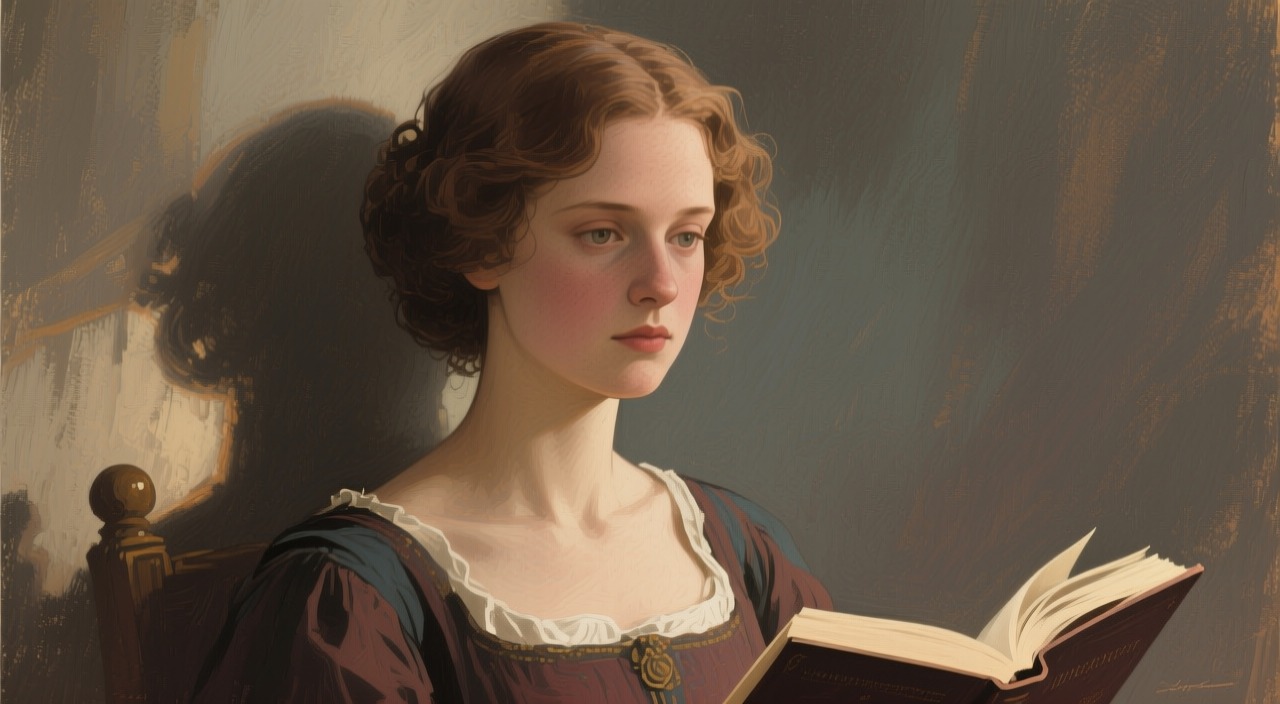
The Final Work
The Fifty-Nine-Year Project
Briony spends her life writing the story of that summer. The novel is her attempt to atone. It is also her masterpiece, the culmination of her artistic journey.
The Gift
Briony gives Robbie and Cecilia a happy ending in her novel. It is a gift, a final act of kindness. Art has the power to create alternative realities, to offer comfort and redemption.
The Limits
But art cannot change the past. Briony cannot be forgiven by the dead. The novel is both a confession and a creation. It is the best she can do. The attempt at atonement is all that matters.
summer 1935
1935-1940
1940-1999
