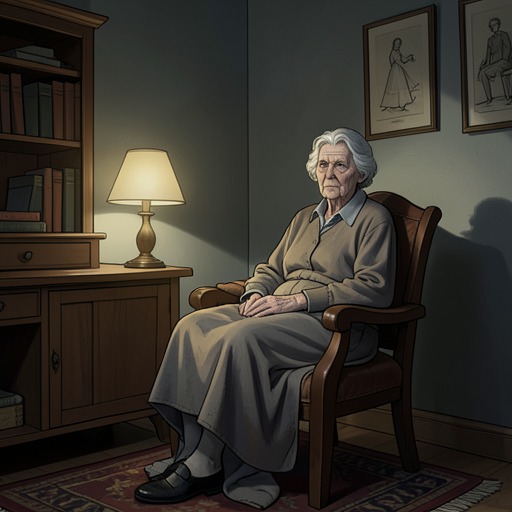
Grey Sisters
BuddenbrooksThe Grey Sisters are a Catholic nursing order supported by Thomas Buddenbrook. In the family’s moments of illness, they appear not only as caregivers but also as the focus of a disagreement over religious allegiance: Thomas regards their service as exceptionally devoted, while Elisabeth objects that he favors Catholic institutions over Protestant nurses.
Identity and Role
The Grey Sisters are Catholic nuns whom Thomas describes as experienced, composed, and self-sacrificing. When Elisabeth’s illness makes additional care necessary, Dr. Grabow suggests engaging a nurse from the order, noting that Thomas has supported them. The proposal makes the sisters part of the household’s practical network of care, rather than a merely abstract religious affiliation.
Thomas’s Preference
Thomas openly argues for the Grey Sisters over Protestant nurses. He considers them less worldly and more self-effacing, and says they owe him a debt of gratitude. He also recalls Sister Leandra’s earlier assistance when Hanno experienced seizures while teething, using that memory to explain why he hopes the order can provide help again. His preference thus rests both on his religious judgment and on personal experience of their care.
Care of Elisabeth
Sister Leandra comes to nurse Elisabeth Buddenbrook. She sets aside her belongings and attends to the sick woman with gentle words, remaining at her bedside day and night. When relieved, she withdraws quietly to rest and then returns. Her repeated service provides a concrete instance of the qualities Thomas praises, while Elisabeth’s worsening illness places the sisters’ caregiving within the family’s sustained effort to manage a serious condition.
Religious Tension and Narrative Significance
Elisabeth objects that Thomas’s support for the Catholic sisters disadvantages Protestant nurses, and cites Pastor Pringsheim’s complaint about the arrangement. Thomas dismisses the objection and insists that the Grey Sisters are preferable. The disagreement shows how nursing choices in the household carry confessional and personal meanings as well as practical ones. Sister Leandra’s quiet work stands in contrast to that dispute: the order’s role is ultimately made visible through the labor of caring for Elisabeth, not through argument alone. Later, Pastor Pringsheim prays at Elisabeth’s bedside while casting a cold glance at Sister Leandra, underscoring the unresolved religious tension surrounding her care.