
The Conflict Between Good and Evil in the Human Soul
East of EdenThe internal struggle between good and evil that rages within the characters, especially Cal, and the novel's exploration of human nature.
increasing Bearing strength in each event
 decreasing
Bearing strength in each eventdecreasingThe Monster Within
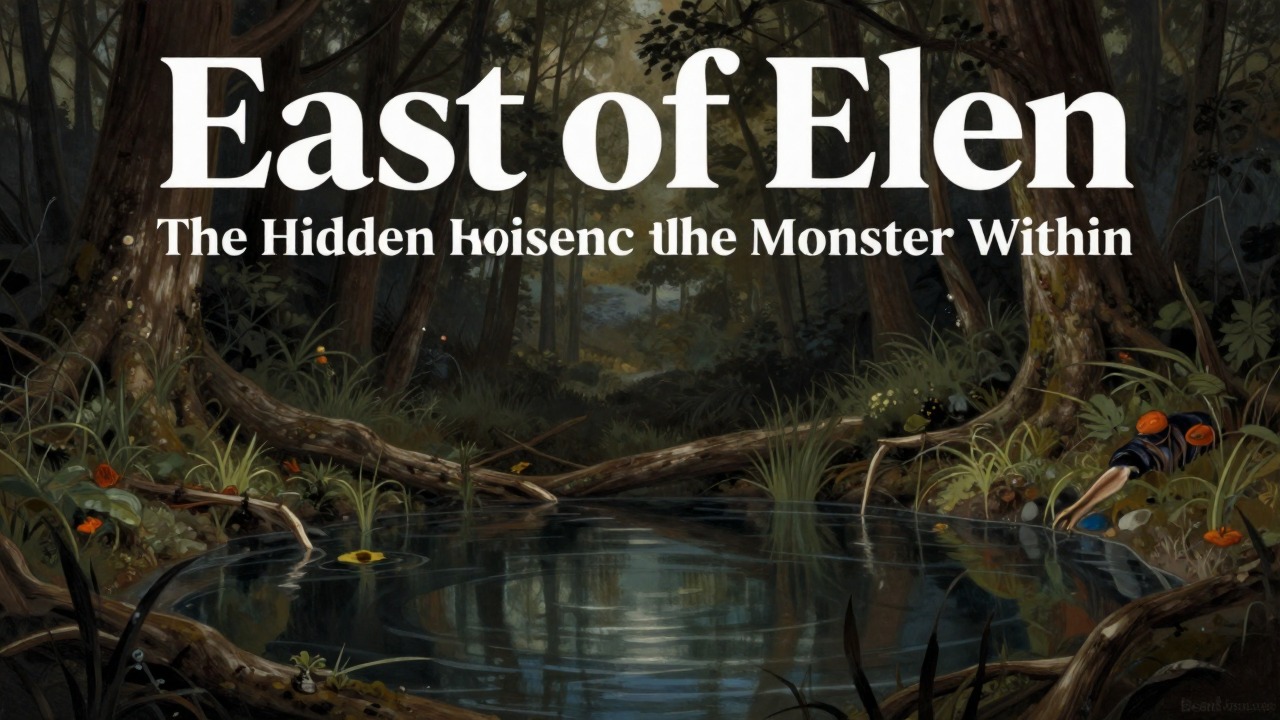
The Hidden Evil
The Thesis
Steinbeck introduces the idea that monsters are born – not just physical monsters, but moral ones. Cathy is such a monster. But the question is whether evil is innate or chosen.
The Dark Pond
Steinbeck suggests that everyone has a secret pond where evil things grow. In most people, it is fenced. But in some, it breaks free.
The Human Condition
The novel explores the universality of the struggle. Everyone has the potential for both good and evil. The conflict is internal.
Cal's Internal War
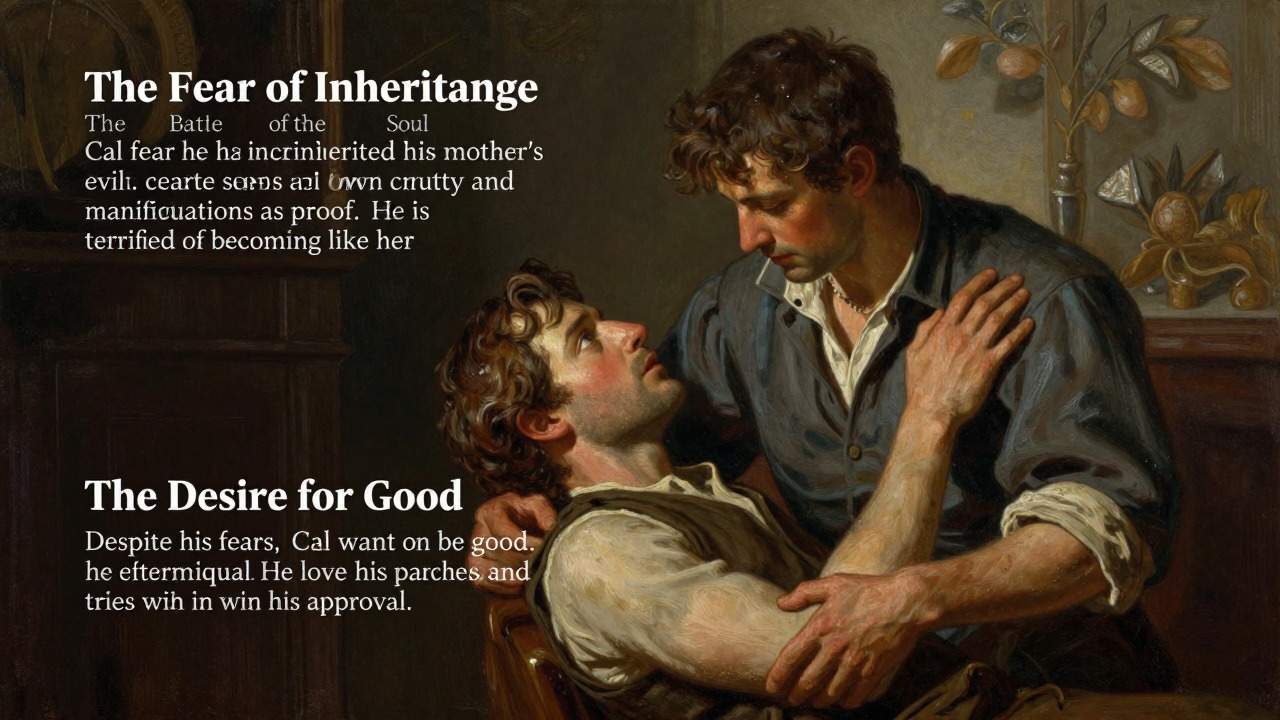
The Battle of the Soul
The Fear of Inheritance
Cal fears he has inherited his mother's evil. He sees his own cruelty and manipulation as proof. He is terrified of becoming like her.
The Desire for Good
Despite his fears, Cal wants to be good. He loves his father and tries to win his approval. He is not a simple villain.
The Moment of Choice
When Cal takes Aron to see Kate, he gives in to his worst impulses. But he immediately regrets it. This shows that he has a conscience. The battle is ongoing.
The Role of the Glory
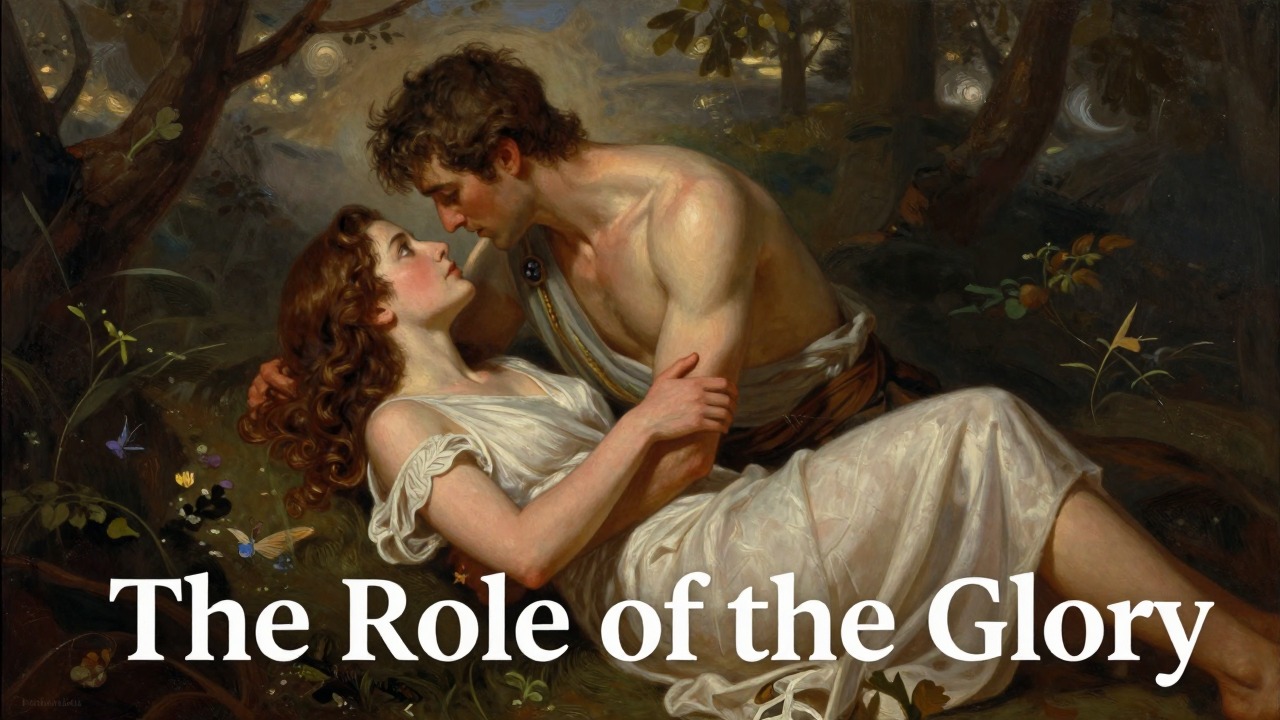
The Light of the World
The Definition of Glory
Steinbeck describes 'the glory' as a kind of inspiration that lights up a man's mind. It is a feeling of transcendence, a connection to the world.
Adam's Glory
Adam experiences the glory when he falls in love with Cathy. But it is a false glory, because it is based on an illusion. True glory must be based on reality.
The Artist's Glory
Samuel Hamilton experiences the glory of creativity. Lee experiences the glory of understanding. The glory is a force for good, but it can be perverted.
The Fall of Man
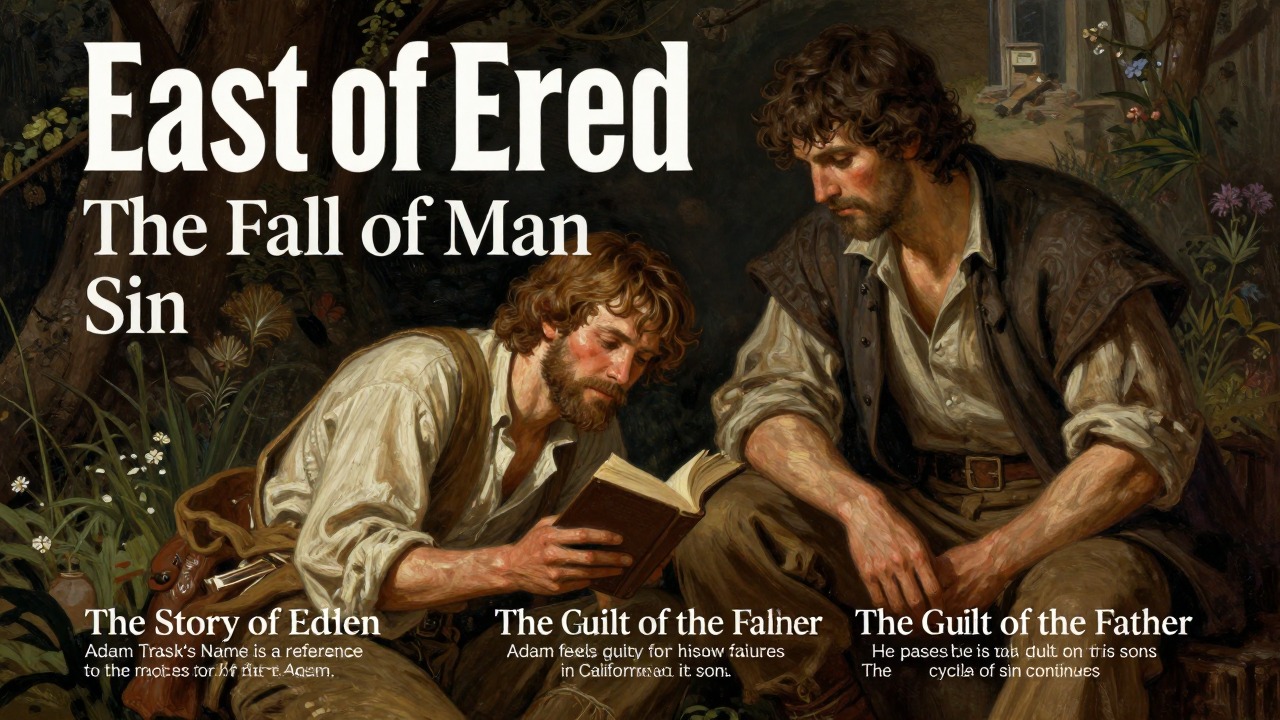
The Inherited Sin
The Story of Eden
Adam Trask's name is a reference to the first Adam. He tries to create an Eden in California, but it fails. The Fall is repeated.
The Guilt of the Father
Adam feels guilty for his own failures. He passes this guilt on to his sons. The cycle of sin continues.
The Hope of Redemption
The novel suggests that redemption is possible through choice. The word 'Timshel' is the key. Man is not doomed to repeat the Fall. He can choose to rise.
The Power of Choice
The Free Will
The Debate
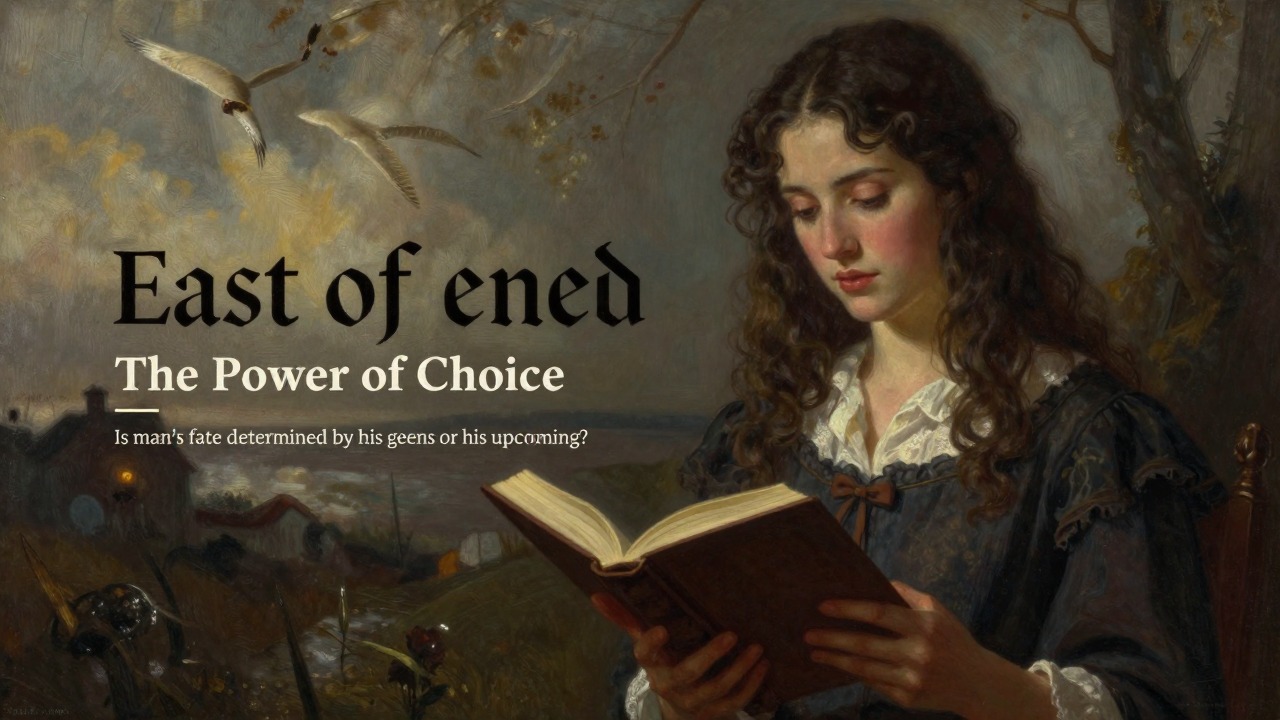
Is man's fate determined by his genes or his upbringing? Or does he have free will? The novel explores this question through the characters.
The Evidence of Cathy
Cathy seems to be born evil. She is a monster. This suggests determinism. But even she is not entirely without the capacity for choice. She chooses to kill herself.
The Hope of Timshel
Lee's discovery of the word 'Timshel' is the answer. Man has the power to choose. He can overcome his nature. This is the central thesis of the novel.
The Final Conflict and Resolution
The Victory of Good
The Last Battle
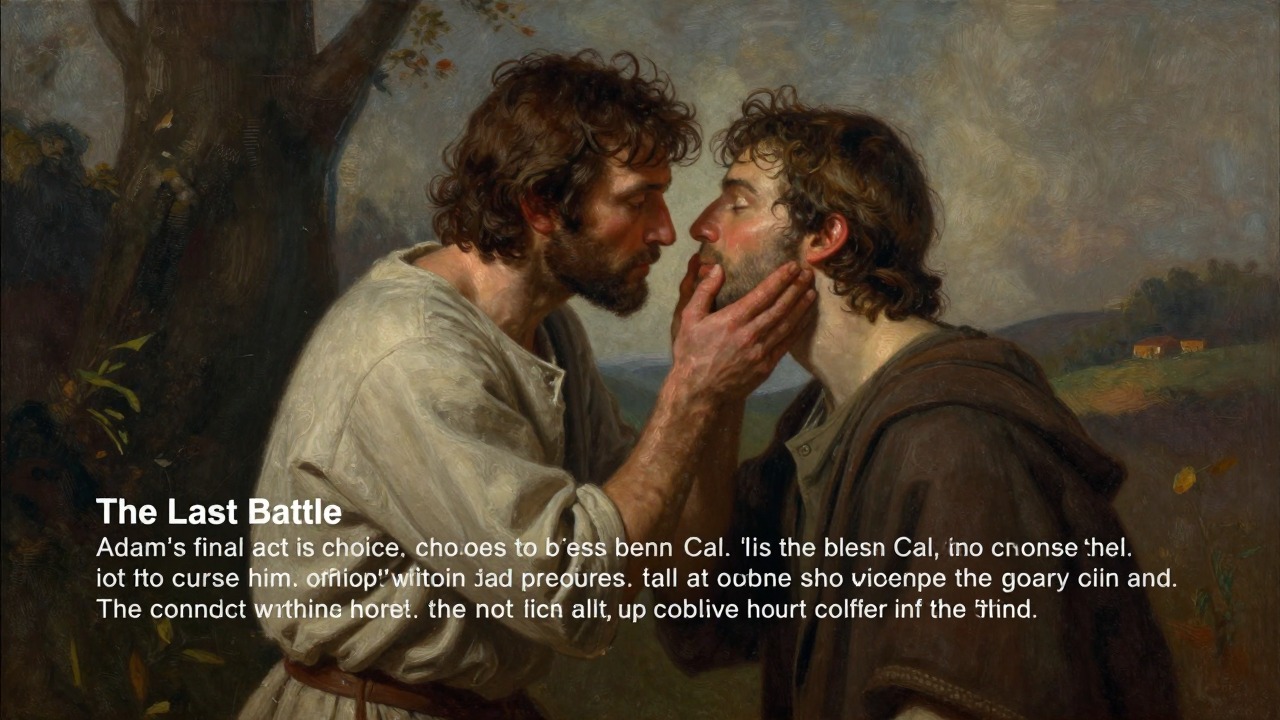
Adam's final act is a choice. He chooses to bless Cal, not to curse him. This is the victory of good over evil.
The Legacy of the Word
Adam's whisper of 'Timshel' is a gift to Cal. It gives him the power to choose. The conflict within Cal is not over, but he has the tools to win.
The Open Ending
The novel ends with hope. The struggle between good and evil continues, but man has the power to choose. That is the ultimate message.
The concept of the inner monster, 1900-1918
Cal's struggle with his own nature, 1900-1918
The concept of 'the glory' as a force for good, 1900-1918
The theme of original sin, 1900-1918
The central conflict of the novel: choice vs. determinism, 1901-1918
Adam's death and Cal's future, 1918
