The firelessness of Kalevala
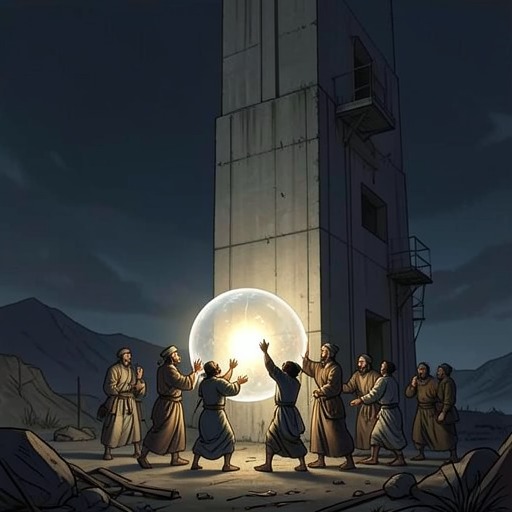
KalevalaThe firelessness of Kalevala is a condition of cold and pervasive darkness brought about when Louhi steals fire from Northland. It is more than the loss of a household necessity: the Sun and Moon are also hidden, leaving the homes of Ukko and the people of Kalevala without familiar sources of light. The episode makes that deprivation visible in emptied, cheerless dwellings, then gives it a concrete reversal when fire is carried back to Northland and the hearths of Kalevala.
The Theft and the Spread of Darkness
Louhi takes the fire from Northland, from the regions of Wainola. The loss is registered across different kinds of homes: the mansions become cold and cheerless, while the cabins are filled with darkness. The contrast broadens the deprivation beyond a single household or social setting. No home is exempt from the consequences of the stolen fire.
The darkness is intensified because the silver Sun has hidden in iron-banded caverns and the Sun and Moon have deserted Ukko. With their light absent and fire stolen, night becomes the unbroken ruler of Kalevala. The narration extends the darkness to Ukko’s own home, so that the loss is not confined to human dwellings or to one region. The episode joins a domestic crisis to a wider disorder in the world of the poem: hearth-light and celestial light are both unavailable.
What Firelessness Means
The account distinguishes the hardships of living without moonlight from those of living without sunshine, presenting each as difficult and their combined absence as a deeper deprivation. The dwellings’ coldness and cheerlessness give this cosmic condition an immediate domestic form. Darkness is not merely a setting in which the action occurs; it changes the character of home, making both mansions and cabins places without warmth or light.
Ukko’s experience sharpens the loss. Even the first of the creators is described as living in darkness and dismay when the Sun and Moon are gone. That detail makes the episode’s deprivation unusually comprehensive: rank and creative power do not place Ukko beyond the consequences of the missing lights. The state therefore links the human need for warmth and illumination with a disorder that reaches the divine household as well.
The Return of Fire
The reversal is marked by the willing Panu and the willing fire of Ukko being taken together. The fire is laid in a box of tinder, a specific, portable means of carrying what had been missing back toward the inhabited world. The return is then stated across three connected places: fire comes again to Northland, to the chambers of Wainola, and to the hearths of Kalevala.
That sequence answers the geography of the theft. Louhi took fire from Northland and the regions of Wainola; its return likewise reaches Northland, Wainola, and Kalevala’s hearths. The episode does not describe the Sun and Moon as having been restored in this moment. Instead, it gives the recovery of fire its own clear endpoint: the source of household warmth and light is brought back, and the hearths once marked by deprivation can again receive it.
Narrative Significance
The state of firelessness is defined through successive losses rather than a single image. The stolen fire makes homes cold; the hidden Sun and Moon make darkness unbroken; the absence of celestial light darkens even Ukko’s home. This progression enlarges the stakes while keeping them grounded in familiar places, from mansions and cabins to the hearth.
The return of fire gives the sequence a material counterpoint to that widening darkness. A carried fire, placed in tinder, travels back to the very regions and domestic spaces from which the loss had spread. In that movement, the episode turns a broad condition of cosmic and household deprivation into a recoverable one: the Sun and Moon remain hidden in this passage, but fire returns to Northland, Wainola, and Kalevala.