
The Nature of Criminality and Redemption
Oliver TwistExplores the novel's treatment of crime, guilt, and the possibility of change.
increasing Bearing strength in each event
 decreasing
Bearing strength in each eventdecreasingThe Criminal Environment
The Criminal Environment
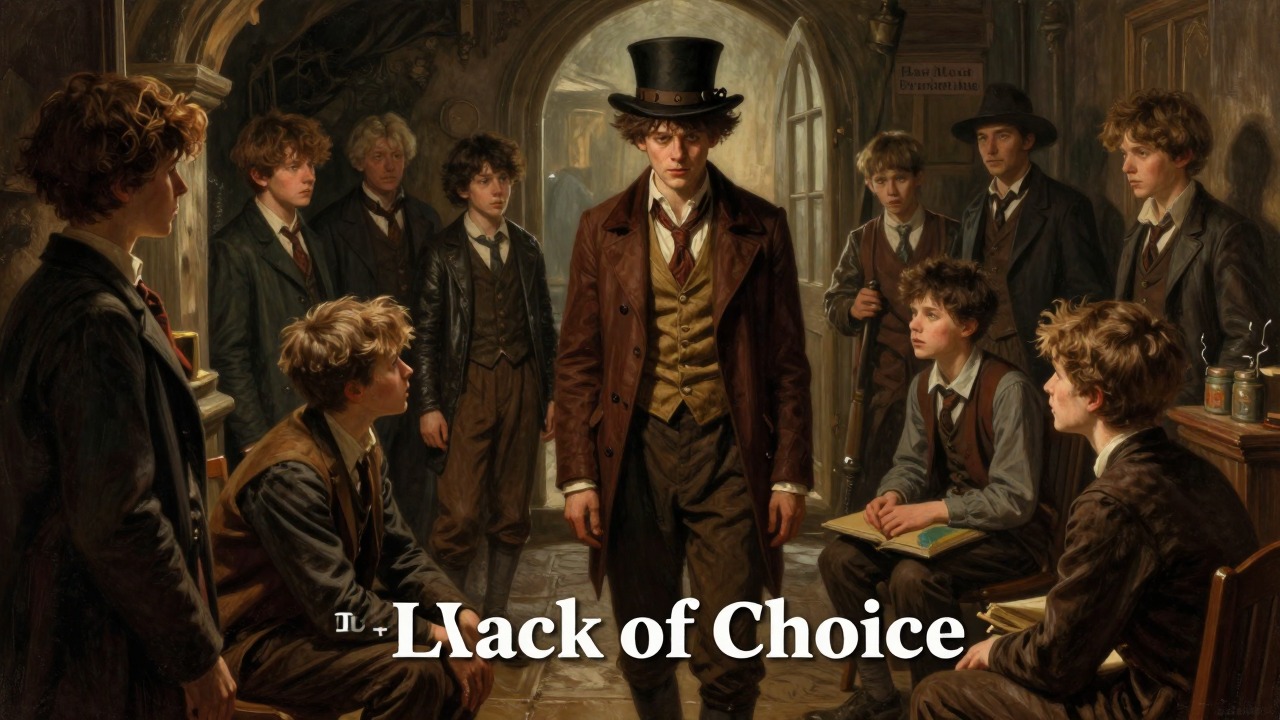
Fagin's Den
Fagin's gang is a product of poverty and neglect. The boys are forced into crime by circumstance.
The Lack of Choice
Characters like Nancy and the Dodger have no real alternatives. Crime is their only means of survival.
The System's Failure
Society fails to provide for the poor, driving them to crime. The novel critiques this failure.
Nancy's Redemption
Nancy's Redemption
The Act of Sacrifice
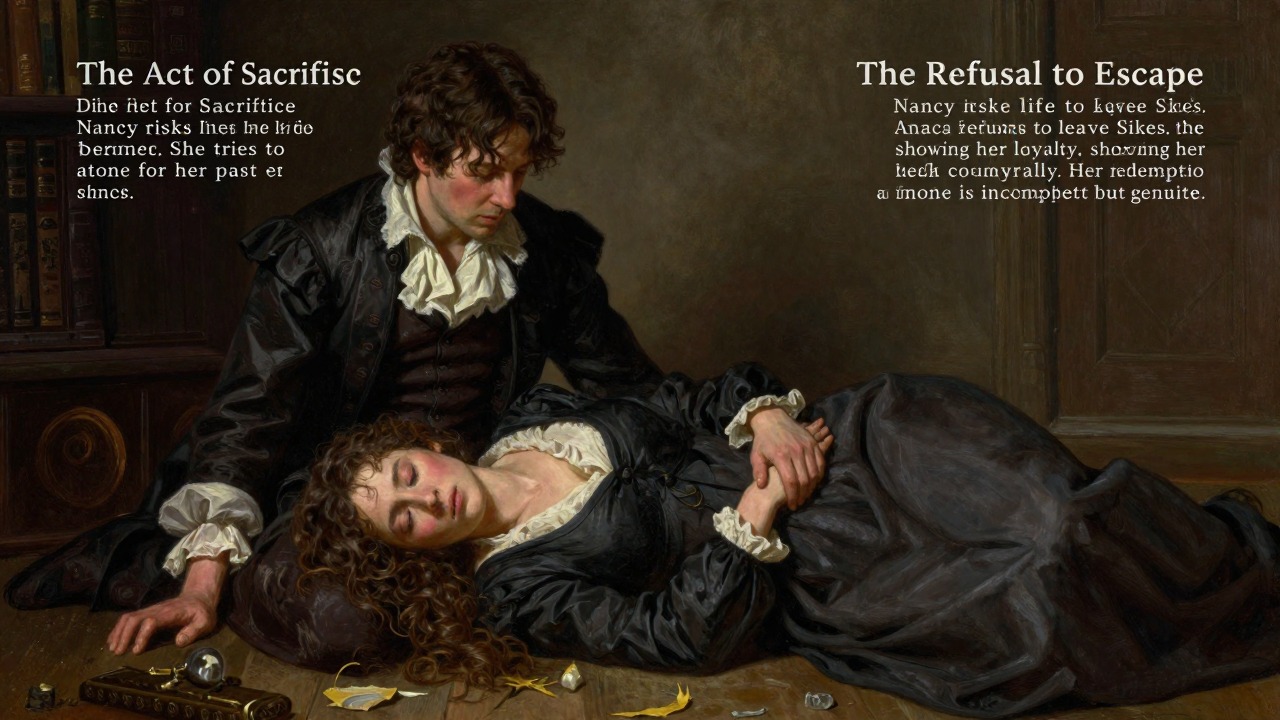
Nancy risks her life to help Oliver. She tries to atone for her past sins.
The Refusal to Escape
Nancy refuses to leave Sikes, showing her loyalty. Her redemption is incomplete but genuine.
The Tragic End
Nancy dies for her actions. Her death is a sacrifice that saves Oliver. She is redeemed through her suffering.
Charley Bates's Reformation
Charley Bates's Reformation
The Shock of Murder
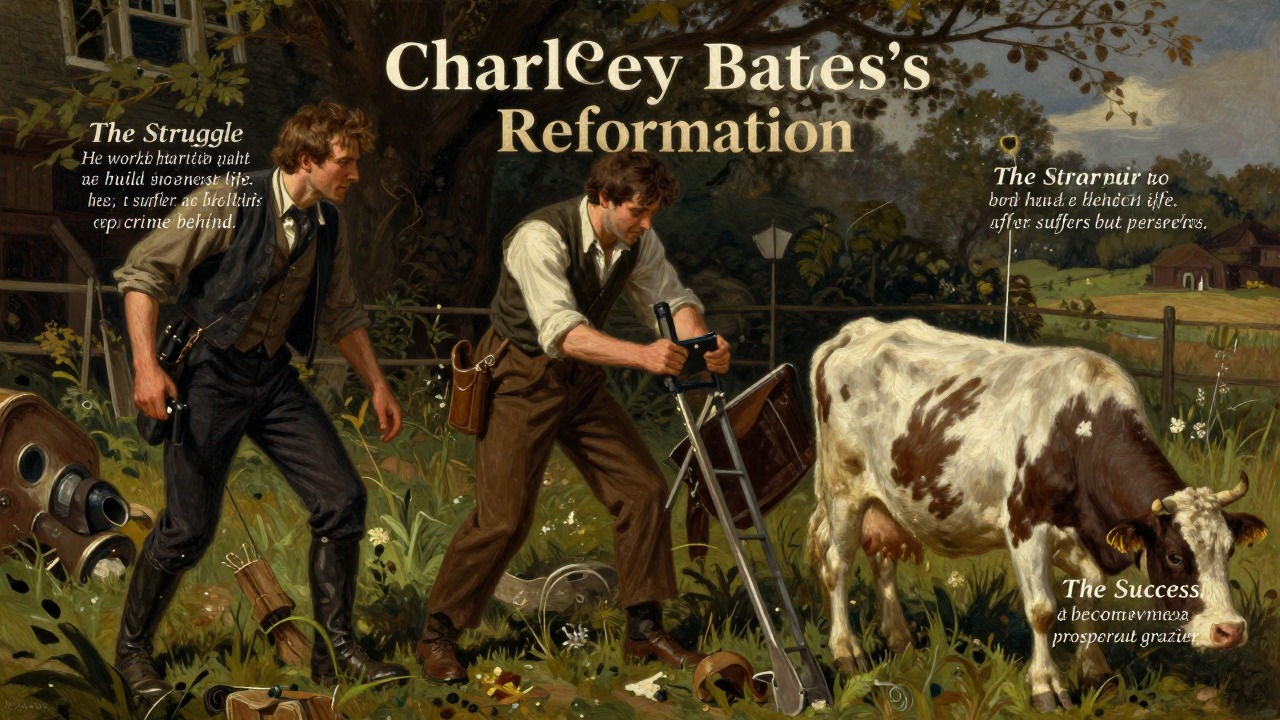
Charley is horrified by Sikes's crime. He decides to leave crime behind.
The Struggle
He works hard to build an honest life. He suffers but perseveres.
The Success
Charley becomes a prosperous grazier. His reformation shows that change is possible.
Fagin's Impenitence
Fagin's Impenitence
The Unrepentant Criminal
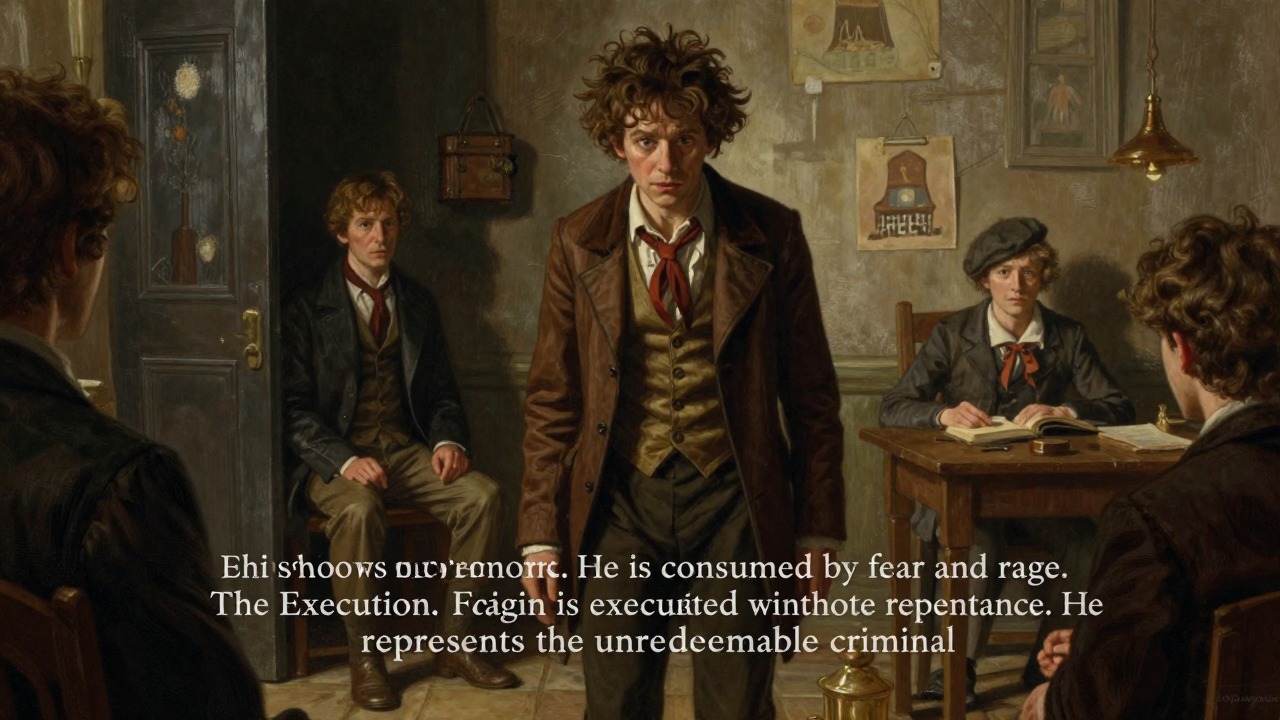
Fagin shows no remorse. He is consumed by fear and rage.
The Execution
Fagin is executed without repentance. He represents the unredeemable criminal.
The Contrast
Fagin's fate contrasts with Nancy's and Charley's. The novel suggests that redemption is possible for some but not all.
Throughout the story
After her decision to help Oliver
After Sikes's death
At the end
