Blanche Glover’s suicide
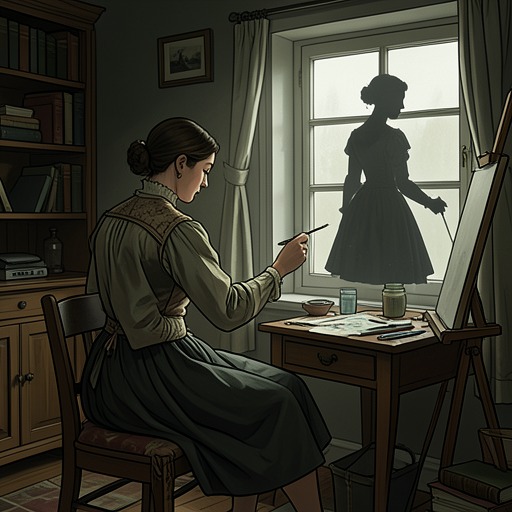
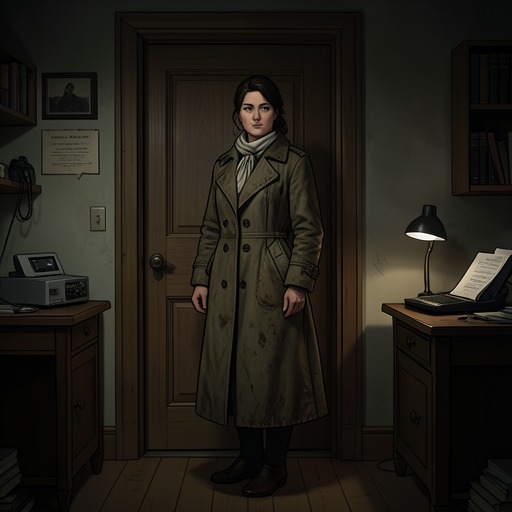
PossessionBlanche Glover’s suicide is not narrated here as a witnessed scene; it returns through Christabel LaMotte’s later account as a death that continues to torment her. LaMotte’s recollection connects Blanche’s terrible end to the strained bonds among the people who loved her and to the grief and guilt LaMotte carries into old age.
The Death Recalled
The available account places Blanche’s death in the past and identifies it as a consequence that remained emotionally present for LaMotte. When she later explains the words she had spoken to Randolph Henry Ash, LaMotte clarifies that her reference to having been made a murderess concerned Blanche, whose end tormented her daily. The passage does not describe the circumstances of Blanche’s suicide itself, but makes its enduring burden explicit.
LaMotte’s Guilt and Grief
LaMotte recalls that, during her last meeting with Ash at Hella Lees’s séance, both of them were angry. Ash’s response to her words showed that he understood them differently, while LaMotte admits that, in her physical and mental distress, she let him retain that misunderstanding out of malice. Looking back as an old woman, she distinguishes that moment’s anger from her more considered account of what she meant: Blanche’s death was the loss she could not set aside.
A Friendship Shadowed by Loss
In the same late account, LaMotte names Blanche and Ash as the only two friends she had trusted, and says she loved them both too well. She remembers that Blanche died hating her and Ash. The brief statement places the suicide within a history of intimacy and estrangement, without resolving every cause or assigning a simple explanation for Blanche’s feelings.
The Death’s Afterlife in Memory
Blanche’s death shapes the emotional meaning of LaMotte’s retrospective testimony. Writing to Ash when he is very ill, LaMotte asks for forgiveness and acknowledges that old love, resentment, and sorrow remain entangled. The suicide thus enters the narrative through belated recollection: not as a newly witnessed event, but as a loss whose consequences persist in the living and complicate their efforts to tell the past truthfully.