Ashoka Garden in Lanka
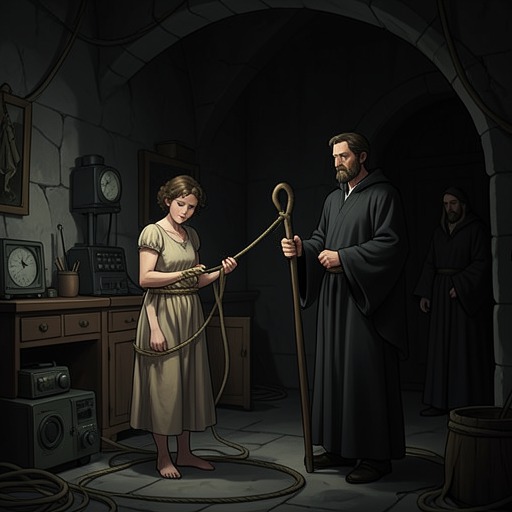
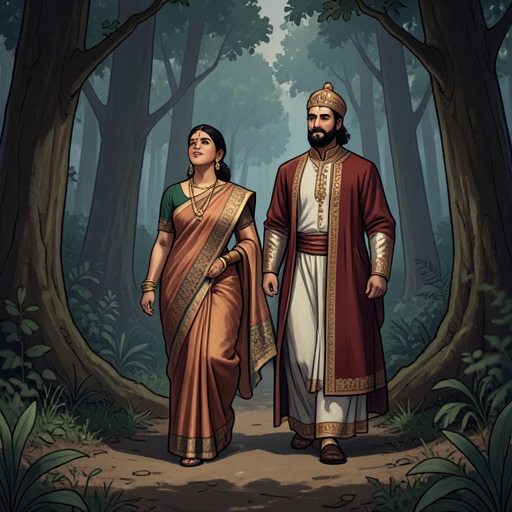
RamayanaAshoka Garden in Lanka is the setting for Hanuman’s encounter with the captive Sítá. Beneath its Aśoka boughs, he finds Ráma’s wife and gives her a ring from her husband; the meeting also enables him to carry a pledge from Sítá back to Ráma. The garden’s importance in the account rests on this exchange: within the place of her captivity, a token passes between the separated spouses and makes communication possible.
Setting and identification
The narrative places the garden in Lanka, where Rávaṇ holds royal sway. Its specific physical description is spare: Sítá is found beneath the Aśoka boughs. The text does not elaborate on the garden’s layout or its other features, so its identity is established chiefly by its location under Rávaṇ’s rule and by the encounter that takes place there.
That limited description gives the garden a clear narrative function without making it a fully detailed landscape. It is a defined place within Lanka, but the account directs attention to who is held there and who reaches her. The boughs mark the setting of the meeting; the ring and the return pledge carry its consequences beyond the garden.
Hanuman finds Sítá
Hanuman enters the garden and finds Ráma’s captive wife. The encounter changes what the search has yielded: Sítá is no longer only the missing person sought by Ráma’s side, but someone Hanuman has reached and spoken with. A second passage recounts the visit in similar terms, placing Hanuman in the Aśoka garden as he seeks conversation with her and gives her the ring he has brought.
The garden therefore serves as the point at which discovery becomes direct contact. The evidence does not describe an escape or a change in Sítá’s captivity there. Instead, the meeting establishes that a visitor can reach her and communicate Ráma’s connection to her while she remains under Rávaṇ’s power.
The ring and the return pledge
The ring is the encounter’s concrete token. Hanuman gives it to Sítá as a sign from her lord and king, linking the captive woman in Lanka to Ráma beyond the garden. The account then says that Hanuman bears a pledge from her fair hand. It does not identify that pledge in this passage, but its return journey makes the meeting reciprocal: he arrives with a token from Ráma and leaves carrying something from Sítá.
This exchange gives Ashoka Garden in Lanka its decisive significance. It is not merely where Sítá is held; it is where separation is briefly crossed by a message and a returned pledge. The garden remains a place of captivity, but the meeting makes it a link in the communication between Ráma and Sítá.