Leopold Chaskel III
RetributionLeopold Chaskel III is the judge presiding over William Rupert Bantling’s murder trial. His role brings courtroom order and legal procedure into sharp focus: he controls the proceedings, warns Bantling against further disruption, oversees the announcement of the verdict, and must address a late revelation involving C.J. Townsend and the defendant.
Presiding over the Trial
On the Monday morning when court was called into session, Chaskel hurried from the judge’s hallway and took the bench. The courtroom was arranged for jury selection, with the prospective-juror area still empty and trial watchers and members of the press filling the available seats. His brisk arrival turned the room from a waiting space into a court under his authority.
Chaskel also ruled on a request to restrict Bantling’s jewelry in court, rejecting the suggestion that the watch posed a security risk and permitting him to wear it. The decision shows him exercising control over courtroom conditions without treating every proposed precaution as necessary.
Maintaining Courtroom Order
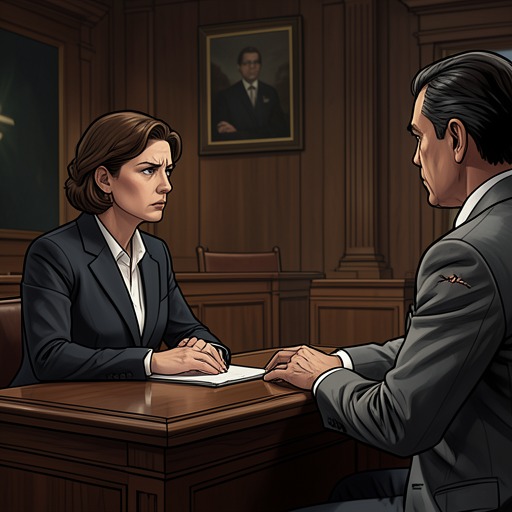
Chaskel warns Bantling that he has already accumulated two strikes through earlier courtroom outbursts and reported tantrums elsewhere. He makes clear that further misconduct could result in Bantling being bound and gagged and brought to court in a red jumpsuit. The warning establishes a firm boundary: Bantling may challenge the proceedings, but Chaskel will not allow his behavior to dictate how the court functions.
The exchange is also a contest of attention. Bantling responds with a steady stare, and after the judge’s warning turns his gaze toward C.J. Townsend. Chaskel’s intervention restores the immediate focus to jury selection, even as the defendant’s attention signals that a personal disclosure may disrupt the trial later.
Verdict and Disclosure
On January 5, 2001, Chaskel receives the verdict form and directs the clerk to read it. The jury finds Bantling guilty of first-degree murder in Miami-Dade County. Chaskel keeps the courtroom in order as the verdict prompts a choked sob, understood by C.J. as coming from Mrs. Prado, and the jurors avoid looking toward the defendant.
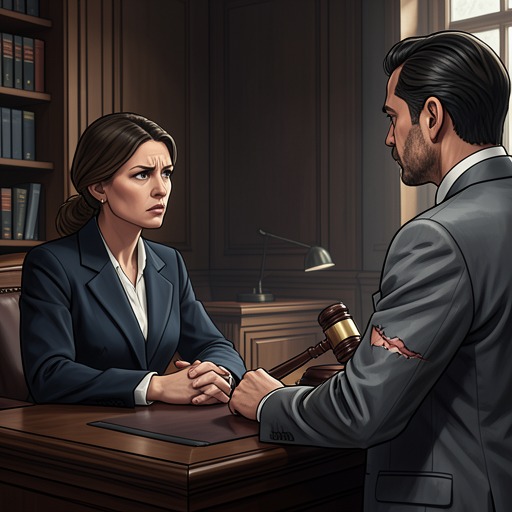
After Bantling claims that he was the man who raped C.J. years earlier, she tells the court that she was assaulted while a law student in New York, explains that Bantling learned of the unsolved case through old records, and denies that he was her attacker. Chaskel is taken aback that this information has reached him only then and asks Lourdes Rubio whether she wishes to respond. Rubio says that she has reviewed the police reports and spoken with C.J., and that she does not support her client’s accusation.
Chaskel acknowledges that C.J. has been compelled to disclose a private matter in court and appeals to the press to treat the information with privacy and tact. The episode places him between the trial’s formal procedures and the personal harm made public inside them: he cannot prevent the disclosure, but he recognizes its exposure and addresses the media’s presence directly.