Anna Prado
RetributionAnna Prado is the victim at the center of the murder case against William Rupert Bantling. Her death is investigated as part of the Cupid murders, and evidence associated with her case becomes the focus of competing arguments at trial. Though the available account gives few details of her life, it shows how her case moves from a missing-person investigation into a public legal contest over what the evidence can establish.
Identity and Place in the Case
Anna Prado is identified in the trial as a young woman who was murdered. Her case is distinguished from the other killings because it is the murder being tried: the prosecution presents evidence connecting Bantling to her death, while the defense challenges both the interpretation and the significance of that evidence. The other victims remain part of the wider investigative context, but Anna’s case supplies the immediate stakes of the courtroom proceedings.
The investigation of the Cupid murders assembled records and personal materials about missing women, including photographs, diaries, financial records, letters, and other private documents. These materials became part of the task force’s effort to reconstruct the victims’ lives and disappearances. The evidence does not specify which of those records belonged to Anna, so her individual history remains largely outside the account.
Evidence and the Disputed Case
At trial, the prosecution’s case included microscopic bloodstains from Bantling’s shed that were said to match Anna’s DNA. The defense emphasized that only three such stains had been found and disputed the prosecution’s account of what the blood evidence proved. It also argued that other traces detected in the shed were animal blood, and challenged the claim that the shed had been extensively contaminated with Anna’s blood.
The defense separately disputed the connection between Bantling and the circumstances surrounding Anna’s death. It argued that he had not been at home at the time the medical examiner estimated she was killed, and that his Jaguar had been outside his control while at a repair shop before he collected it. These were defense claims presented to the jury, not findings established by the account. The defense also stressed that investigators had found no fingerprint, hair, fiber, or other trace on Anna’s body that linked her death to Bantling.
Her Case in the Courtroom
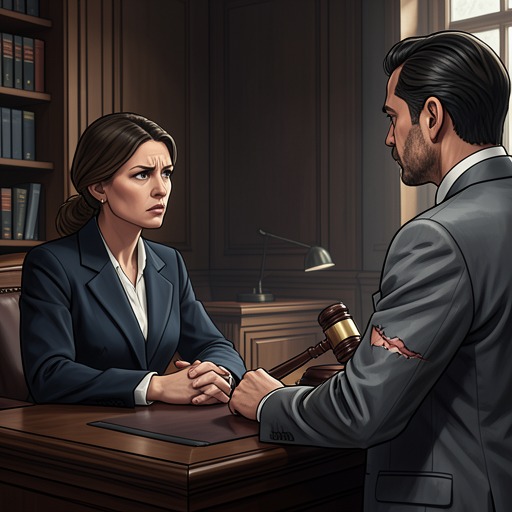
Anna’s murder shaped the opposing opening statements. Lourdes Rubio urged the jury to distinguish the emotional force of the accusations from proof, cautioning that a disturbing case and a chain of inferences did not by themselves establish guilt. She acknowledged the brutality of Anna’s death while arguing that the prosecution had offered assumptions rather than conclusive evidence. Her argument made the central conflict explicit: the jury had to assess the evidence without treating the horror of the crime as proof of who committed it.
Later testimony brought forensic evidence into the courtroom. A witness used a female mannequin while describing the cuts examined in the investigation, and the jury heard questions about what instrument could have made them. The account does not include the witness’s answer, so it does not establish what conclusion the demonstration supported.
Evidence That Changes the Trial
The courtroom’s response shifted after the prosecution reopened its case. Jurors heard further testimony from Special Agent Dominick Falconetti and were shown Anna’s preserved heart in an evidence bag, followed by photographs found in the freezer at Viola Traun’s mobile home. The evidence prompted visible distress among jurors and spectators; some jurors wept or became ill, and Anna’s mother was escorted from the courtroom in anguish. The scene marks a turning point in the trial’s atmosphere, although the account does not itself state the verdict.
Anna is therefore present in the narrative through both the limits and the force of evidence. Her case is argued over through contested forensic details, while the later physical exhibits make the human consequences of the crime impossible for the courtroom to keep at a distance. The account gives her little spoken or biographical presence, but the trial’s changing emotional climate repeatedly centers on what was done to her and what the evidence can reveal.