Alice’s Miracles Fail After the Shooting
ShrineAlice Pagett’s Miracles Fail After the Shooting is the sudden reversal of the cures associated with Alice Pagett, witnessed by the crowd at the shrine after she is shot. People who had believed their recoveries lasting find their former conditions returning, turning a scene of public devotion into one of distress and shattered hope.
The Shooting and the Turn
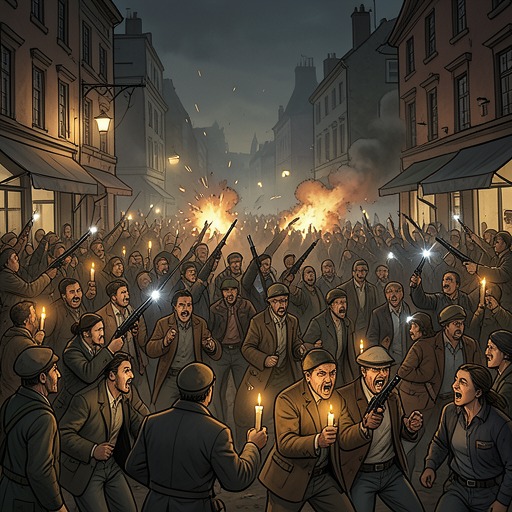
The reversal follows the shooting of Alice Pagett during her appearance above the platform. She falls, and the crowd is initially silent, unable to comprehend what has happened. Thunder breaks that stillness; shock gives way to a tumult of grief, bewilderment, and anger. Gerry Fenn catches Sue as she slumps and keeps Ben close, protecting them amid the confusion.
The change in the crowd’s mood is matched by a change in the fortunes of those who had been healed. The event does not unfold as a gradual weakening of the cures: signs of their return appear in different parts of the field while the gathering is still responding to Alice’s fall. The scattered, simultaneous reversals make the failure public and collective rather than a private uncertainty about any one person’s recovery.
The Cures Reversed
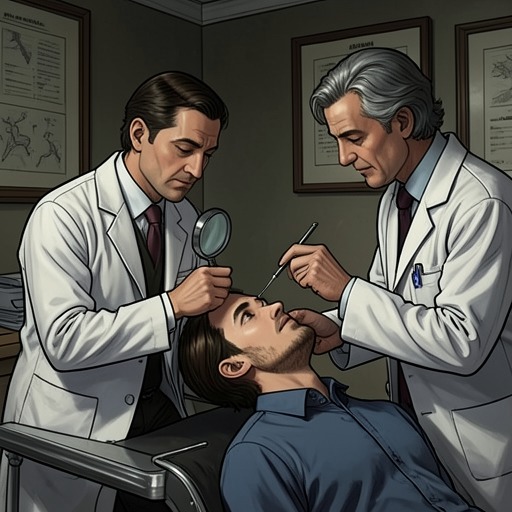
A girl who had come to honor Alice begins to lose control of her movements and collapses. A boy whose ability to use his legs had been restored can no longer move with that strength and struggles among the benches. Elsewhere, a man’s cataracts return, rapidly clouding the vision that had cleared. A girl discovers that she cannot form words again, while a boy’s hands develop the warts that had troubled him before.
Another man’s former skin condition returns, and his distress is sharpened by the recognition that he is becoming visibly ill again. These individual reversals are followed by reports from across the field of people falling, losing the use of their limbs, or seeing their former afflictions return. The range of conditions recalled in the scene makes clear that Alice’s apparent healings had touched many kinds of suffering, and that their failure reaches well beyond a single recipient.
The Crowd and Its Loss of Hope
The pilgrims respond in sharply different ways. Some break down, some weep quietly, and others stand unable to act. People who did not see Alice shot pull at those nearby for an account of what happened; elsewhere, anger gathers into demands for revenge against the shooter. The crowd is no longer united by wonder at a healing child: the same public gathering becomes a scene of competing grief, confusion, and accusation.
For those whose conditions return, the reversal is not only physical. They had believed their cures would endure and had taken Alice’s healings as a lasting sign of divine care. Their renewed suffering strips away that assurance. The scene presents their sense of betrayal and defeat alongside the observable return of illness, linking the collapse of hope directly to the collapse of the cures.
Significance in the Narrative
The episode reverses the meaning of the shrine gathering. What had offered its visitors new hope becomes the setting in which that hope fails, and the diversity of returning conditions gives the reversal a reach across the crowd. Alice’s shooting and the disappearance of the benefits associated with her healings are presented together, but the scene establishes their sequence rather than explaining a mechanism for the cures or their failure.
Gerry Fenn, who had felt weakened during Alice’s ascent, is no longer dizzy as the former sufferers begin to decline. He gathers Sue and Ben close and shields them from the disorder; Sue begins to recover enough to stand on her own. This immediate change in Fenn’s condition contrasts with the returning afflictions around him, while his protective actions give the closing moments a smaller, human focus amid the public collapse of belief.