
The Cycle of Poverty and Oppression
The PearlShows how the social and economic system traps Kino and his people in a cycle of poverty that the pearl cannot break.
increasing Bearing strength in each event
 decreasing
Bearing strength in each eventdecreasingThe Historical Context
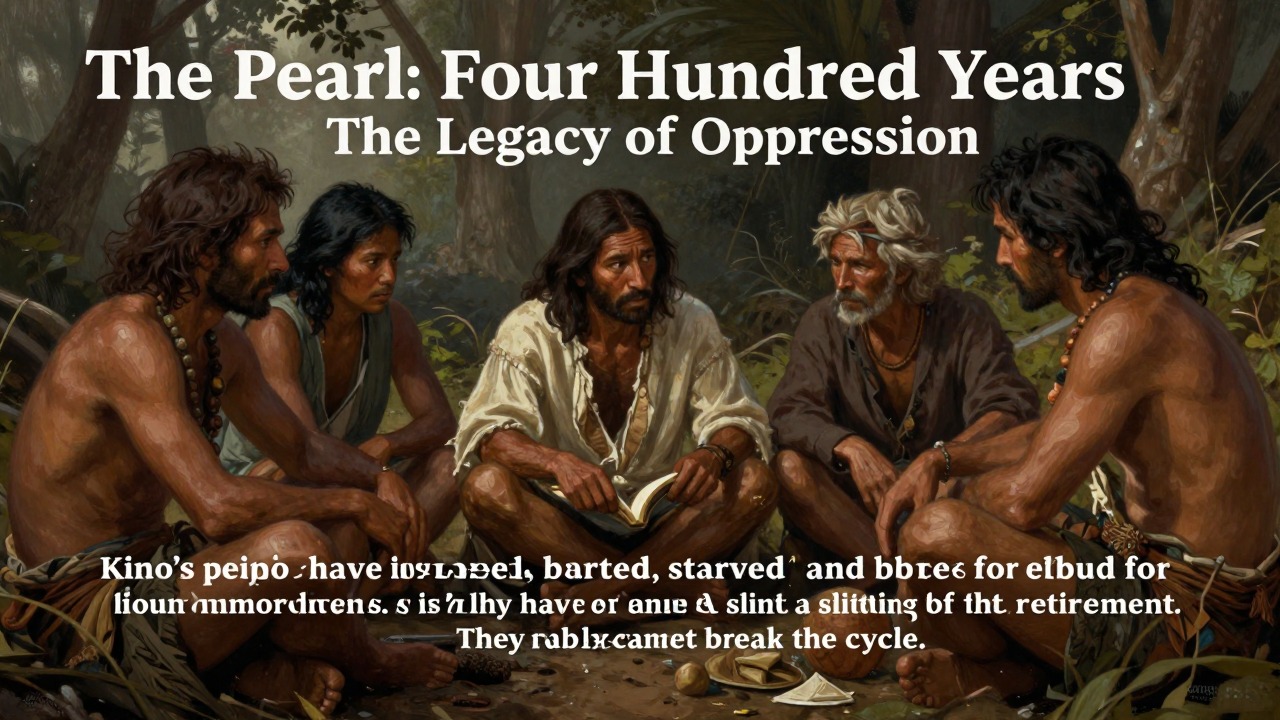
Four Hundred Years
The Legacy of Oppression
Kino's people have been beaten, starved, and robbed for four hundred years. The cycle of poverty is entrenched.
The Defense
They have learned only a slight slitting of the eyes and a retirement. They cannot break the cycle.
The Doctor's Gate
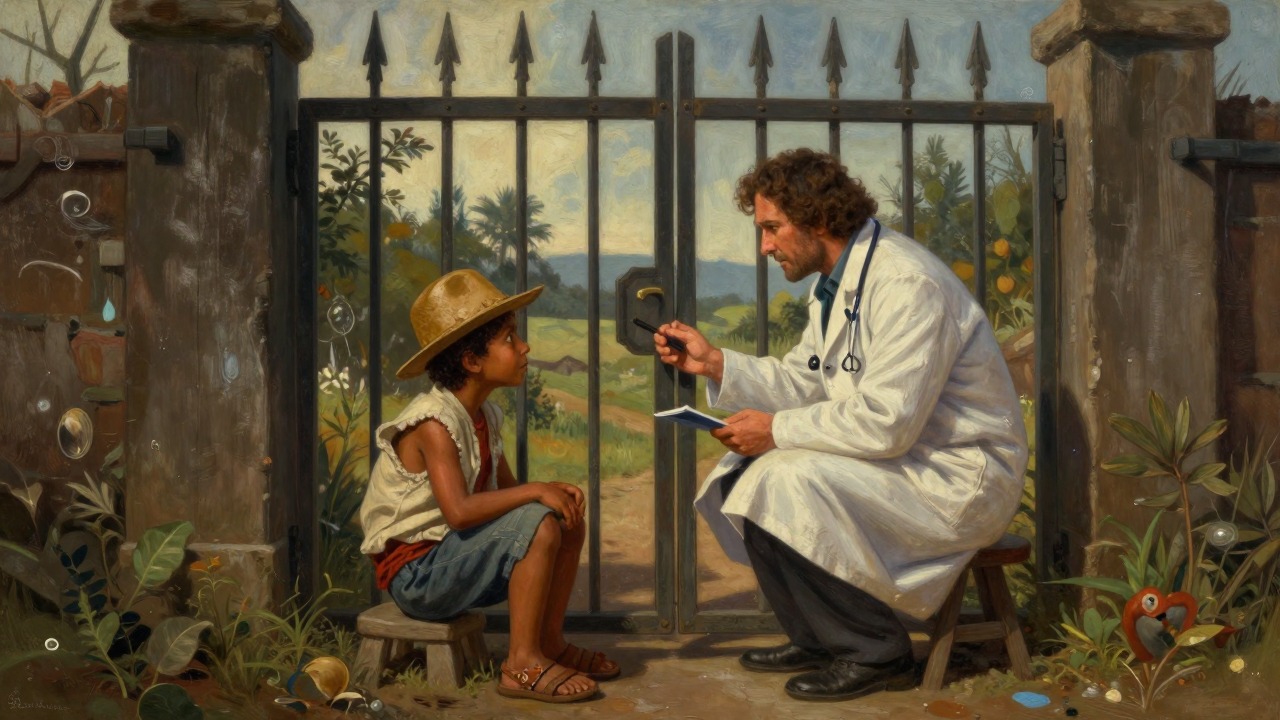
The Refusal
The Class Barrier
The doctor refuses to treat Coyotito because Kino is poor. The gate is a symbol of the divide.
The Helplessness
Kino cannot force the doctor. He is trapped by his poverty.
The Pearl Buyers' Collusion
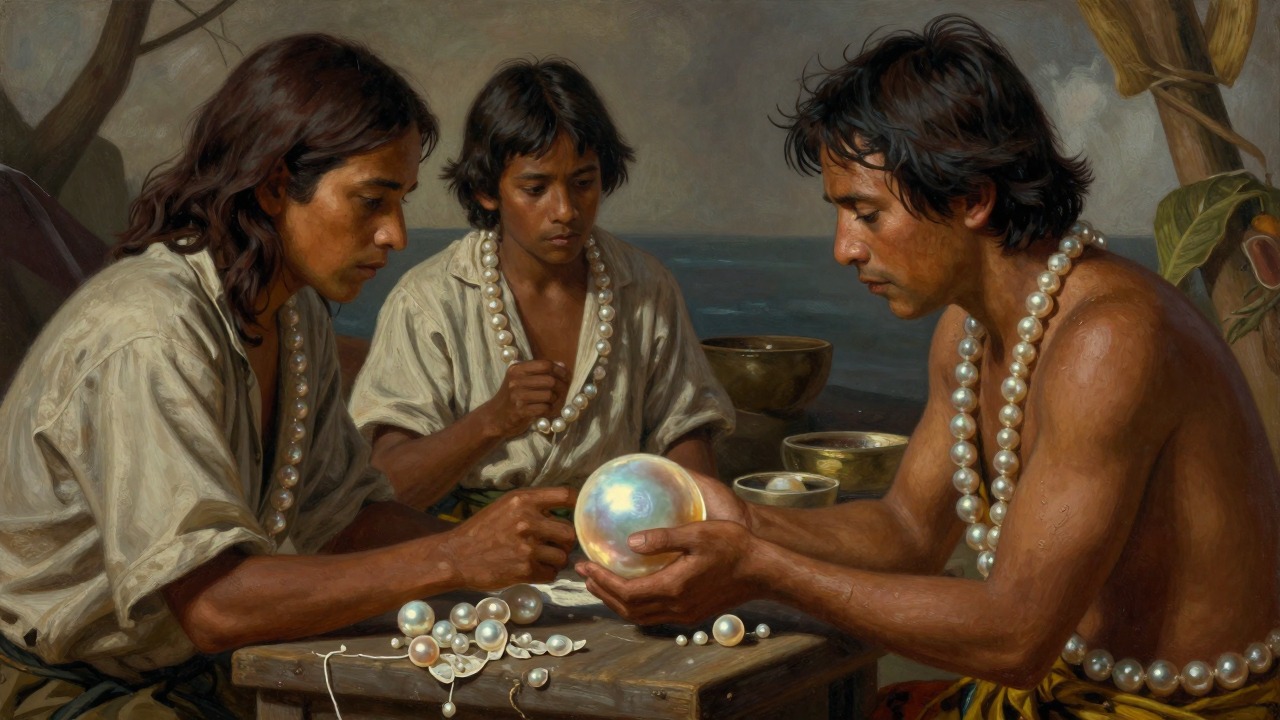
The Fixed Market
The Syndicate
The pearl buyers are a single entity. They set the price. Kino has no power.
The Exploitation
The system is designed to exploit the poor. Kino's pearl is worth a fortune, but he cannot get a fair price.
The Priest's Sermon
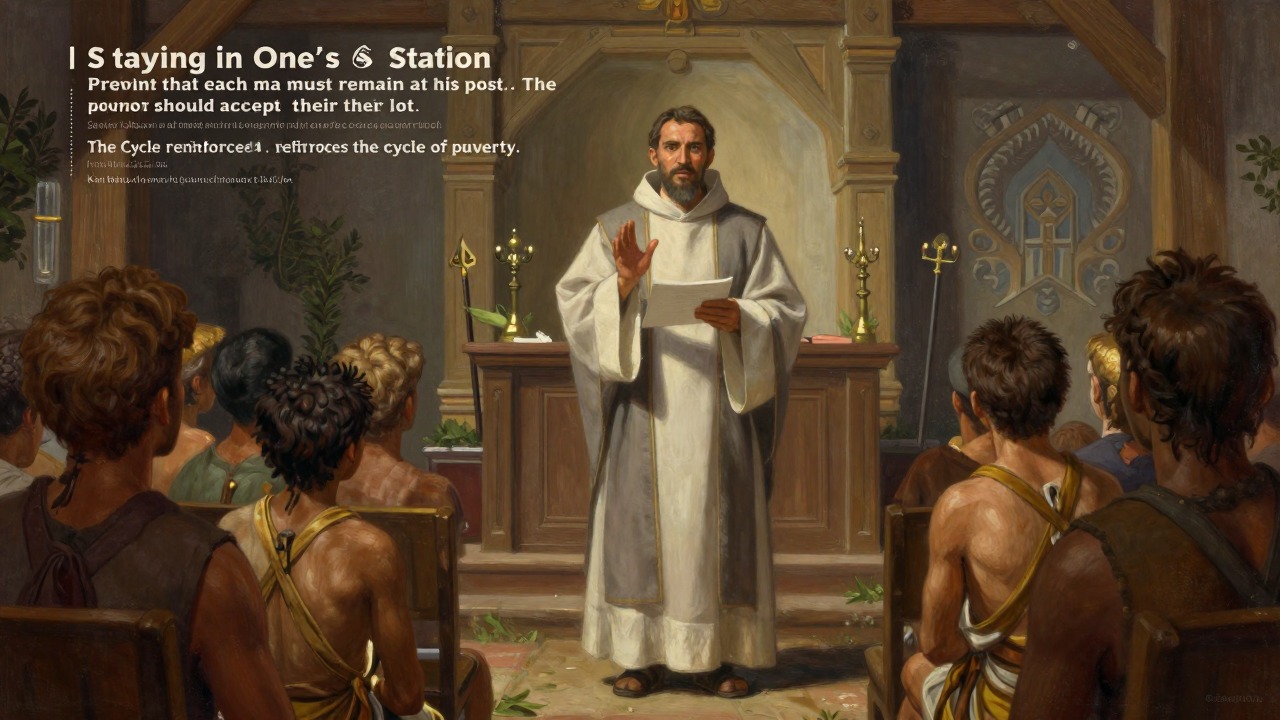
The Religious Justification
Staying in One's Station
The priest preaches that each man must remain at his post. The poor should accept their lot.
The Cycle Reinforced
The church reinforces the cycle of poverty. Kino's ambition is a sin.
The Violence of the System
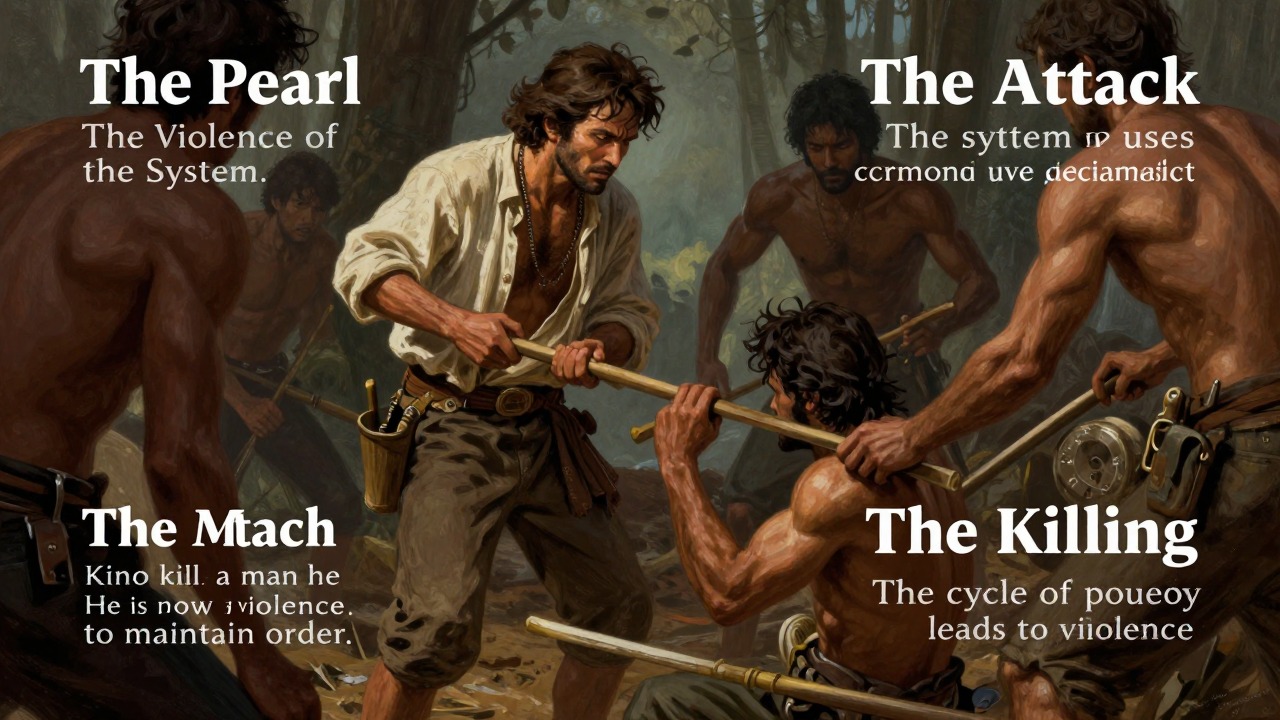
The Attack
The Dark Ones
Kino is attacked by unknown men. The system uses violence to maintain order.
The Killing
Kino kills a man. He is now a criminal. The cycle of poverty leads to violence.
The Return to Poverty
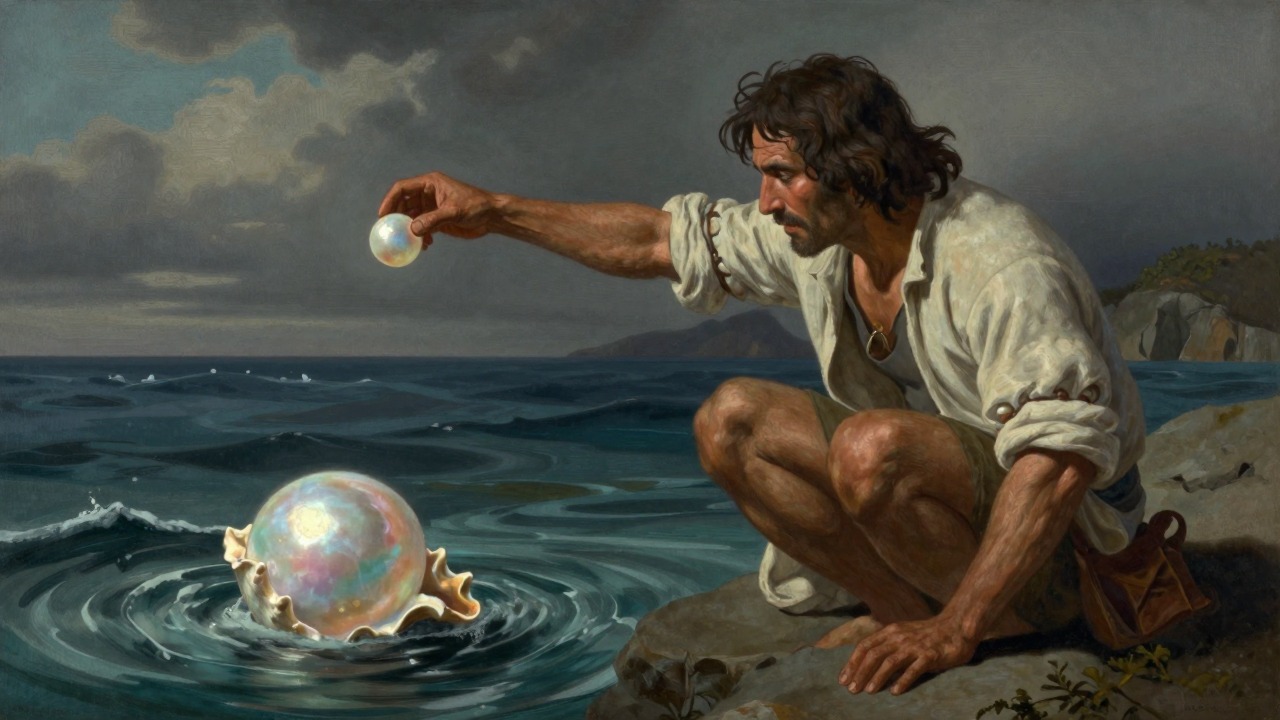
Throwing the Pearl
Kino's Surrender
Kino throws the pearl back into the sea. He returns to poverty. The cycle continues.
The System Wins
The social order remains unchanged. Kino's rebellion has been crushed. The cycle of oppression is unbroken.
Throughout the story
Morning of the first day
Midday of the selling day
Earlier, as recalled
The second night
Sunset of the third day
