Using sexual experience as writing material
WomenUsing sexual experience as writing material describes the narrator’s stated effort to understand women through intimate relationships and convert experience into fiction, as well as the ethical crisis that exposes the limits of that justification. The idea moves from a claim about literary knowledge to an indictment of treating other people’s lives as material.
Experience as a Method of Knowing
The narrator argues that women are difficult for him to invent without first knowing them. He says that he seeks relationships to understand them as human beings, and that the writing produced from an encounter becomes secondary: it is residue left behind when the episode has ended. This account makes lived experience a proposed source of knowledge and fiction, but also acknowledges that an affair can bring loneliness and distress rather than artistic insight.
His wider account of intimacy is not confined to sexual encounters. He recalls ordinary details of shared life—shoes under a bed, a hairpin left on a dresser, walking together, eating, talking, and hearing a partner snore—as part of what makes relationships meaningful to him. Those details complicate the claim that women serve chiefly as research: his own recollections encompass companionship, tenderness, conflict, and separation, not simply material for a story.
The Writer’s Self-Justification
The narrator’s research rationale is tested by the consequences of his choices. While considering an impending Thanksgiving commitment to Debra and his involvement with Iris, he asks himself whether he can keep calling his behavior a study of women. He recognizes that he has been acting for selfish pleasure without considering the effects on the people whose lives he enters. The language of research no longer sounds like a neutral artistic method; it becomes a possible excuse for exploiting trust.
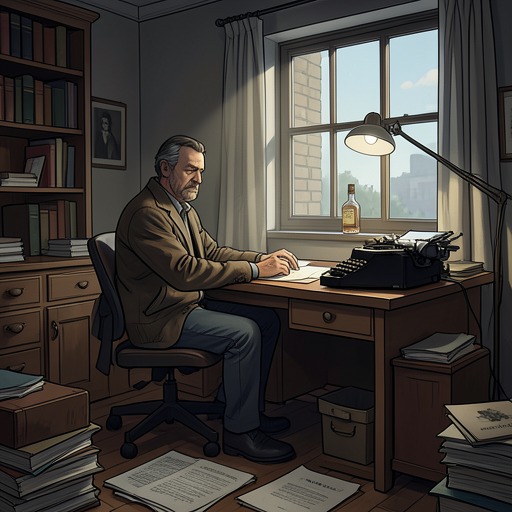
That reckoning turns directly toward authorship. The narrator calls himself a bad man who has passed himself off as good, and describes his writing as The Love Tale of the Hyena. Rather than presenting literary production as a redemption for conduct, the passage makes writing part of the problem: his life provides material, but the act of turning experience into literature does not erase the injury or absolve the writer.
Conduct and the Limits of the Artistic Claim
Several encounters show why the narrator’s account of experience cannot be taken as a sufficient ethical defense. In scenes involving Tammie, Tessie, Iris, and Valencia, the narration presents sexual conduct in terms of possession, conquest, or research, including situations marked by intoxication or force. These are not evidence that the women freely consented to the acts described; the narrator’s framing repeatedly subordinates their agency to his own desire and interpretation. The distinction between what he calls knowledge and what his actions reveal is central to the concept’s moral tension.
The same gap appears when he reflects on writing itself. The narrator suggests that experience may help him recognize women as human beings, yet his conduct can reduce them to subjects of observation or episodes to be used. The text therefore does not establish experience as a reliable route to understanding: knowledge claimed through intimacy is undermined when the other person’s wishes and autonomy are disregarded.
Literary Significance
The concept links the narrator’s self-image as a writer to his treatment of intimate experience. He presents a rough, anti-academic idea of literary knowledge grounded in work, relationships, and lived episodes; elsewhere, his account of early literary life includes small magazines and correspondence with writers such as William Keesing. But the claim to draw fiction from life is not simply celebrated. Its force depends on a contradiction: experience may furnish material, while the writer’s attempt to master that material can expose his moral failure.
The narrator also describes himself as an alcoholic who became a writer partly to remain in bed until noon, resisting a grand account of artistic purpose. That self-deprecation sits beside the more serious assertion that he needs to know women in order to write them. Together, these statements leave the practice unresolved: experience feeds the work, but neither writing nor the label of research guarantees understanding, responsibility, or honesty.