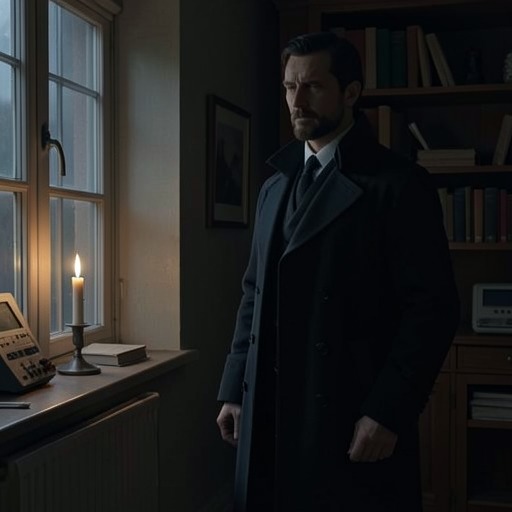
Andrew Milling and Evelyn’s marriage
WoodwalkersAndrew Milling and Evelyn’s marriage joined two mountain-lion shapeshifters in a life shaped by love, family, and Evelyn’s desire to live among the mountains. Their happiness with their daughter, June, was abruptly ended when hunters killed Evelyn and June during hunting season. Milling’s account of their life together makes the loss not an abstraction but a chain of particulars: a move from Los Angeles, snow shared in their second forms, a warning to stay inside the national park, and the hunters’ public display of Evelyn’s body.
Meeting and Courtship
Milling met Evelyn through one of his work projects, where she was a young production manager. He remembered her as beautiful but rather difficult, and was delighted to discover that she was a mountain-lion shapeshifter like him. Evelyn came from Vancouver Island, whose woodwalkers were known for their temperaments. Milling fell in love with her within days, but winning her over took longer because she was already engaged. His recollection gives their relationship a beginning marked by both immediate recognition and an obstacle he had to overcome; eventually, they were together and very happy.
The way Milling tells the story preserves the contrast between the briskness of that first attraction and the time required for Evelyn to choose him. He recalls a smile briefly returning to his lips as he reaches the point at which they became a couple. That fleeting expression is important: before the story turns to bereavement, their relationship is presented as a source of happiness in its own right, not merely as a prelude to tragedy.
Family Life in Jackson Hole
The birth of June deepened the couple’s happiness. They moved to Jackson Hole because Evelyn had had enough of Los Angeles and wanted to live among the mountains. She loved snow, and she and June delighted in running through it, often in their second forms. These details make their family life inseparable from the landscape and from the shapeshifting identity they shared: the snow was not just scenery, but a place where mother and daughter could move together as animals.
Milling’s account holds this domestic image beside the coming danger. On a sunny November day, eight years before he tells the story, he had a work appointment while Evelyn and June wanted to go out in the snow. He warned them to remain inside the national park because hunting season had begun. They were excited by the fine weather and may have become imprudent. The warning establishes the immediate risk, while the remembered pleasure of their outings explains why snow and open country had been part of the family’s happiness as well as the setting of its catastrophe.
The Hunters and the Loss
When Evelyn and June did not return, Milling panicked and went out to search for them. He eventually found them through the homepage of a hunters’ website. One hunter held Evelyn’s body beneath the arms to display the size of his trophy; in the background Milling recognized the brown body of June. The public presentation of the killing made the discovery especially brutal: the family’s private loss appeared as a hunter’s boast.
Milling wanted to tear the arrogant smile from the hunter’s face and smashed his computer, but the destruction of the machine could not undo what it showed. As he recounted the scene, he partly transformed; his claws gouged deep marks into the table. Those physical signs of anger accompany the account, but they do not alter its central helplessness. His violence in that moment is directed at the image and the computer, while Evelyn and June are already beyond his reach.
The Pelt and the Marriage’s Aftermath
Milling tried to recover the bodies, but the hunter had kept only the pelts. He managed to buy back Evelyn’s pelt; he could not afford June’s. The hunter refused to give him his daughter’s pelt and taunted him to kill a cat like that himself. The difference between what Milling could reclaim and what remained withheld gives the aftermath a second, lasting injury: even the limited recovery of Evelyn’s remains could not be extended to June.
As Milling tells this history to Carag, he does so in a private restaurant setting, with nearby tables reserved and empty. He leaves the food untouched while speaking; later, his grief and fury surface in his altered face and claws. The scene frames the marriage through its remembered intimacy and its violent end, rather than through an account of ordinary years together. Evelyn’s wish to live in the mountains, the family’s snow outings, and Milling’s warning about hunting season all remain present in the loss. His account establishes how completely the deaths of his wife and daughter define his recollection of their shared life, without erasing the happiness that came before.