Carag and Andrew Milling’s shift from mentorship to opposition
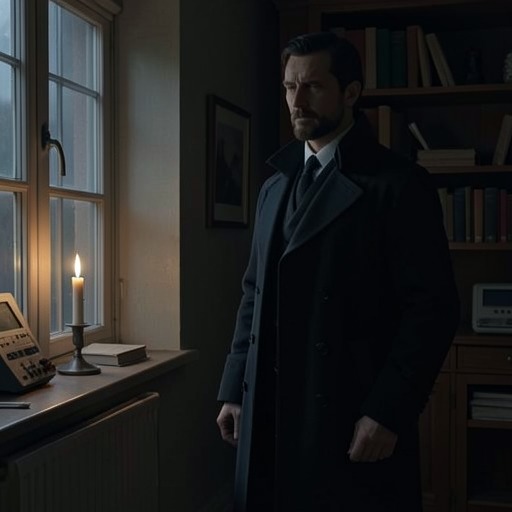
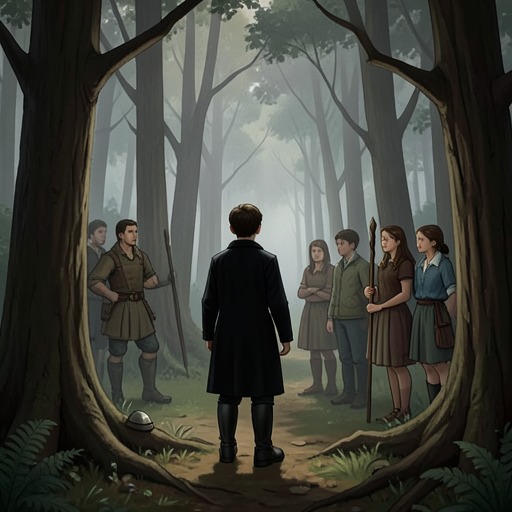
WoodwalkersCarag and Andrew Milling’s shift from mentorship to opposition is driven by a deeply personal offer: help finding Carag’s missing family, made in exchange for joining Milling’s cause. Milling first appears to Carag as a powerful, attentive guide, but the intimacy of that connection becomes inseparable from recruitment, surveillance, and pressure. When Carag refuses, the promise of help gives way to a threat.
An Unequal Mentorship
Milling’s influence on Carag begins before their relationship is fully established. He recommends that Carag attend Clearwater High, and the prospect quickly becomes real: Carag is offered a scholarship and can start the following week. The school gives the newly arrived Woodwalker a route into a life beyond the family he has lost contact with, so Milling’s recommendation carries practical weight as well as the authority of an introduction.
At Sierra Lodge, Carag recognizes Milling by scent before seeing him. He reads that scent as belonging to a dominant male who can defend his territory and is worth watching. Yet Milling greets him with affection, and Carag deliberately meets his eyes because he knows Milling dislikes submission. The exchange establishes their connection as neither simple deference nor ordinary friendship: Carag is drawn into the older Woodwalker’s orbit while remaining alert to the power he represents.
Milling’s attention seems personal because he knows about Carag’s family and listens to the grief their disappearance causes. But the relationship is unequal from the outset. Milling has information, influence, and a cause to advance; Carag is young, displaced, and still hoping to learn what became of his parents and sister. His need for guidance gives Milling’s offers unusual force.
A Shared Loss Becomes Leverage
Milling explains that a newspaper report about a mountain lion at a campground led him to suspect that the animal was a Woodwalker. He then discovered that Carag was the mountain-lion shifter and contacted him, believing that this Woodwalker might share his view of humans. The account ties their first connection to a failed hunting attempt and to Milling’s search for an ally, rather than to chance alone.
Their conversations deepen when Carag describes his family’s disappearance. Milling claims that this gives him certainty that they share the same fate, then suggests that Carag’s inability to find them is a bad sign. Carag rejects the implication that they are dead, insisting to himself that they may simply have moved to another territory. He leaves in distress before Milling can draw him further into that interpretation. The moment exposes a crucial difference between them: Milling treats the family’s absence as evidence that fits his understanding of their shared destiny, while Carag clings to the possibility that his family survives.
Later, Milling makes the personal appeal explicit. He says he wants Carag’s help with what he is planning and describes a growing network of allies: hundreds of Woodwalkers already committed, with thousands across the country. Predators such as Carag are especially valuable to him, and mountain-lion Woodwalkers are rare. Carag recognizes the danger behind this language and challenges Milling over whether he intends to kill humans. Milling laughs and says that Carag does not understand how Woodwalkers can harm humans, adding that killing them would be too simple. The exchange shows that Carag’s suspicion is not merely about a difference of temperament; the two stand on opposing sides of a consequential plan.
Recruitment, Surveillance, and the Family Offer
Milling’s appeal is not only ideological. He acknowledges that a device had been planted to gather information about Carag and report what he did or said. Its failure, he insists, does not matter. The admission recasts the apparent mentorship: while Carag has been approaching Milling as a potential guide, Milling has also been monitoring him as a prospective ally.
Milling then offers to help locate Carag’s parents if Carag joins him. He presents his own power as a mountain-lion Woodwalker as the means to accomplish what Carag could not do alone, but admits that he does not actually know where the family is. He only claims that he could find out. This distinction makes the offer both potent and uncertain: it answers Carag’s most painful question with a possibility, not knowledge. The promised search is attached to a demand for allegiance, placing Carag’s longing for his family inside a political bargain.
The relationship therefore cannot be reduced to a false mentor and a deceived pupil. Milling does take Carag’s predicament seriously enough to make it the center of his appeal, and Carag has reason to listen to someone who appears powerful and knowledgeable. At the same time, the surveillance device, the emphasis on Carag’s usefulness, and the condition placed on help reveal how care and recruitment overlap. Milling offers a path toward what Carag wants, but only on terms that serve Milling’s project.
Refusal and the Break
Carag’s answer comes after Milling’s deadline has passed. When they speak, Milling tells him that he still needs to answer; Carag swallows and says no, he does not want to become Milling’s ally. The brief exchange settles the question that has shadowed their earlier meetings. Carag chooses not to trade his loyalty for the possibility of finding his family, even though that search remains unresolved.
Milling’s response is immediate and cold. He warns Carag that he will regret the decision, then ends the call. The threat changes the relation from strained recruitment to open opposition: Milling no longer presents himself as the person who might help Carag, but as someone whose displeasure carries danger. Bridger, present with Carag, calls the refusal courageous. That response underscores the risk Carag has accepted without implying that his family has been found or that Milling’s threat has been carried out.
The Relationship’s Significance
Milling’s bond with Carag is shaped by a recurring tension between recognition and use. He identifies Carag’s loneliness, knows that the missing family weighs on him, and offers a way to pursue them; he also values him as a rare predator, gathers information about him without his knowledge, and seeks his allegiance for a wider cause. The same attention that makes Milling persuasive makes the eventual coercion more personal.
For Carag, refusing Milling is therefore more than rejecting a political alliance. It means resisting the idea that family, belonging, or help must be earned through obedience. Their relationship turns on an unresolved question: whether Milling’s promise could ever have become genuine assistance, or whether the offer was always inseparable from recruitment. The evidence leaves the family’s fate unknown, but it makes the cost of Carag’s answer plain: a hoped-for mentor has become a threatening opponent.