Trygve Thorensen
AccidentTrygve Thorensen is a freelance political writer and father of three whose family life has been reshaped by his former wife’s departure. Known in Ross for his warmth and easy involvement with his children, he becomes one of Page Clarke’s most dependable sources of support after the car accident that critically injures Allyson Clarke and Chloe Thorensen. His arc links everyday care to harder forms of acceptance: he has learned to live with the end of his marriage, but in the crisis he also has to face what he failed to see and what he cannot repair.
Identity and Background
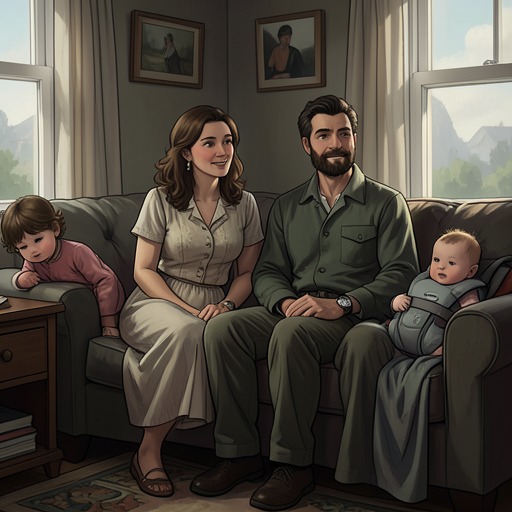
Trygve works from home, fitting his political writing around the demands of raising his children. Page understands why he agreed to take a group of teenagers to dinner and a movie: he is a familiar, well-liked presence to his children’s friends, and he seems to make room for them as naturally as for his own family. His daughter Allyson tells Page that he enjoys their company, while Chloe says he is writing a book as well as his political work. He often writes late, after the children have gone to bed.
His family has been through a major upheaval. Dana Thorensen left after roughly twenty years of suburban life, saying she was exhausted by the responsibilities of being chauffeur, maid, and tutor. She had a job with a theatrical agent in England and offered to take their three children with her, placing them in English boarding schools. Trygve refused to give them up, and they stayed with him. Page is shocked that Dana would leave her children, but understands that the departure followed years of dissatisfaction. Trygve, by contrast, had not recognized how angry and desperate Dana had become; he wanted the marriage to work and repeatedly explained away its difficulties.
Fatherhood and Acceptance
Trygve’s parenting is presented through sustained attention rather than grand gestures. He works while his children are at school or asleep and spends the time they are home with them. After Dana leaves, he continues to manage their daily life with humor and warmth. He is also teaching Bjorn to drive, a small example of the practical involvement through which he remains available to his children.
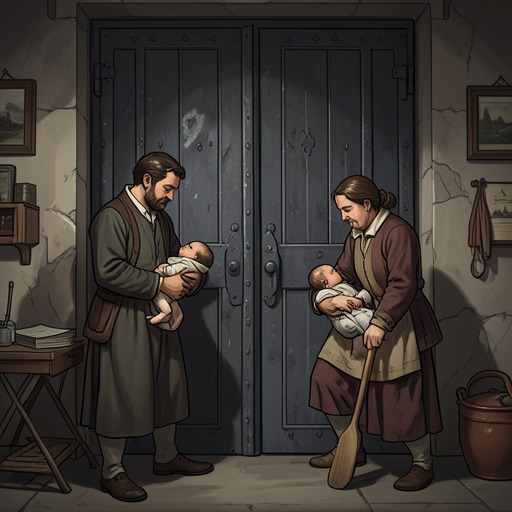
His account of raising Bjorn reveals a defining conviction. When Bjorn was born with Down syndrome, Dana struggled to accept that their child would not be as she had imagined and wanted him placed in an institution. Trygve rejected that possibility. He says he does not believe in walking away from people because their lives are difficult, and regards care for children and people with limitations as part of life rather than an exception to it. He acknowledges that Bjorn has limitations, but also describes his abilities: he is gifted at carpentry, artistic, affectionate, loyal, responsible, a good cook, and humorous. Trygve’s stance does not depend on pretending that everything is easy; it rests on making the best of an imperfect situation and recognizing the person within it.
The contrast with his marriage is revealing. After Dana leaves, Trygve realizes that he had spent years making excuses for her and minimizing the pain of their relationship. At first he has no wish to date and is wary of women he imagines might treat him as a new prospect. He is content with his children and his work. His devotion is genuine, though Page gradually recognizes that being constantly available to them may also have helped him avoid the emptiness of an unhappy marriage.
The Accident and Its Aftermath
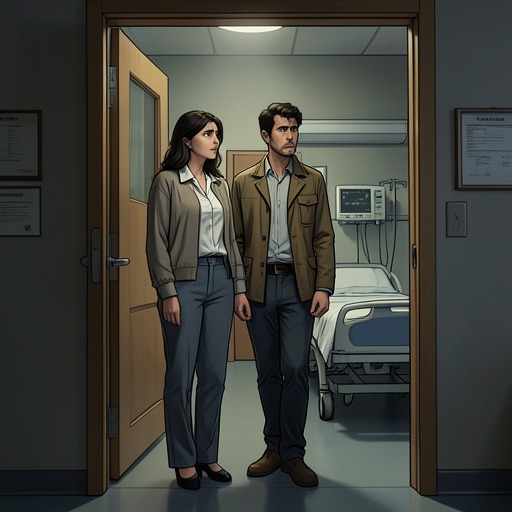
When Page hears that a driver has died, she momentarily thinks Trygve is dead. The confusion breaks when he comes out of an emergency room, dazed and in tears. He apologizes to her and says he should have seen what was coming and had not been paying attention. His first response is guilt, even as Page is trying to understand the news and fears for their children.
Trygve tells her that Chloe has been severely injured and is undergoing surgery, with the possibility that she may not walk again. He is overwhelmed by the thought that Chloe had wanted to attend ballet school. He also knows that Allyson has a serious head injury and has not yet been evaluated by the neurosurgeons. Page begins by blaming him, then finds herself unable to hold onto that judgment as they face the same uncertainty about their daughters. Their shared shock does not erase responsibility or grief; it places both parents inside a disaster neither can control.
As Allyson remains unconscious in intensive care, Trygve keeps returning. He sits with Page in the hospital, checks on Allyson and Chloe, and offers to stay when Allyson’s condition worsens. When the swelling in Allyson’s brain raises new fears, he remains beside Page through the night. Brad Clarke cannot be reached, and Page learns that he never collected Andy Clarke. Trygve comforts her and helps establish what has happened, though he also makes excuses for Brad, reasoning that Page has Allyson in good hands. His own experience of family strain may help explain the impulse to soften another person’s failure, but the scene makes clear that Page is left carrying the immediate burden.
His care is practical as well as emotional. He urges Page to eat and sleep, offers to help with Andy’s school and baseball arrangements, and recognizes that she cannot keep going without rest. When she visits Allyson with Andy, the boy brings his sister a gardenia and places it beside her pillow. Trygve’s presence belongs to this wider pattern of family support: he does not replace Page’s role as mother, but helps her sustain it when she is exhausted. Later, after Page tells him that Brad is moving out, Trygve acknowledges how difficult the change will be and invites her and the boys to pizza.
Friendship with Page Clarke
Trygve and Page’s friendship deepens through repeated acts of attention. He visits her at the hospital, notices her exhaustion, and leaves food for her with Bjorn. When Page is distressed after a confrontation with her mother, Maribelle Addison, she tells Trygve that she called him without thinking because she knew she needed him. She also admits that when the hospital called about Allyson, she had not even thought to call Brad; reaching Trygve had felt instinctive. The contrast registers how badly her marriage has broken down, but also how much trust has grown between the two friends.
When Page tells him about the abuse she suffered in childhood and her mother’s denial of it, Trygve listens without pressing her to continue. He comforts her and recognizes why the confrontation has reopened old pain. Page says she has worked with a therapist and made peace with what happened, but that Maribelle’s insistence on treating her father as a good man remains unbearable. Trygve’s response gives Page room to speak without having to defend the truth of her experience. In this exchange, the attentive presence he has offered during the hospital crisis becomes a form of emotional safety as well.
Change and Narrative Role
The accident brings Trygve’s strengths and limits into focus. He is a capable, loving parent who has chosen not to abandon a child whose needs challenged his former wife’s expectations. He can organize help, remain at a hospital, and attend to the practical demands that grief leaves behind. Yet he is also a man who once refused to see the depth of his own marital crisis and who now turns guilt inward when his children are hurt. His regret over not paying attention sits beside his helplessness as doctors treat Allyson and Chloe.
Later, Trygve calls an investigative reporter friend and learns that Laura Hutchinson had been treated at a dry-out clinic several times and had a history of accidents that had largely been concealed. The discovery broadens the account of the crash beyond the family’s private grief: information about Laura’s past had been hidden, while the consequences of the collision fell on other families. Trygve’s action helps bring that concealed history into view, adding investigation to the practical care he has provided throughout the crisis.
Trygve’s narrative importance lies less in solving the family’s losses than in staying present among them. His home-centered routine, his acceptance of Bjorn, and his loyalty to Chloe establish care as a daily practice; his support of Page extends that practice beyond his own household. He cannot promise that Allyson will recover or undo the damage to Chloe’s future, and he cannot make Page’s marriage whole. What he can do is remain beside them, make food and rest seem necessary even in disaster, help with Andy, and listen when Page needs to be believed.