Harpies' Attack on the Trojans
AeneidHarpies' Attack on the Trojans is the Strophades episode in which Aeneas and the Trojan exiles encounter a hostile landscape that turns apparent abundance into contamination, hunger, and prophecy. After a storm drives the fleet safely to the islands, the Trojans find herds of oxen and unattended goats, prepare a communal meal, and are attacked by the Harpies. Their attempt at armed retaliation fails, and Celaeno converts the encounter into a revelation of the cost attached to their future settlement in Italy.
Storm, Landing, and Apparent Plenty
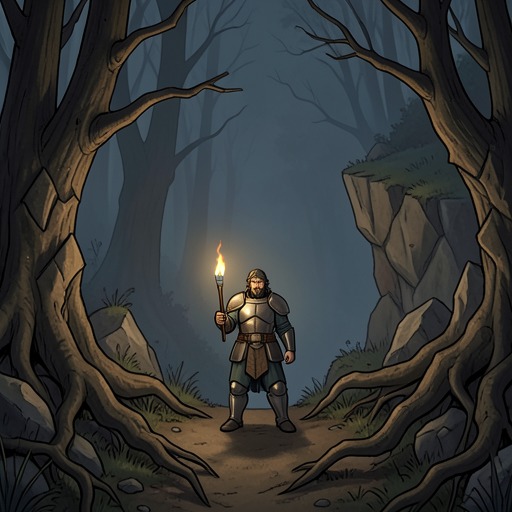
The episode begins after the Trojan fleet has been separated from the security of land. Rain descends over the ships while black clouds cover the sea and rough winds lift the foaming waves. The sailors lower the canvas and work the oars through the storm, until Aeneas finally lands upon the Strophades, safe from the immediate danger of the sea. The landing is therefore both a rescue and a threshold: the Trojans have escaped one threat only to enter a place whose dangers are less visible and more uncanny.
The islands initially appear to offer exactly what an exhausted refugee community needs. The Trojans see fat oxen grazing across a flowering field and goats wandering without keepers. They spread tables on the grass, eat with hunger, and pass the bowls among themselves. This scene of shared food briefly suggests the restoration of ordinary social life after maritime danger. Yet the apparent gift of the land is not freely available. The animals belong to a sacred or guarded environment, and the Trojans’ attempt to feed themselves becomes the immediate occasion for supernatural punishment.
The Harpies’ Assault
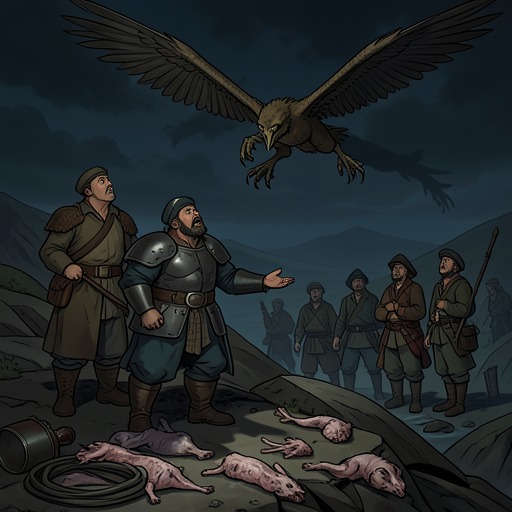
From the mountain tops the Harpies descend with hideous cries and clattering wings. They snatch the meat from the tables and defile whatever they touch. Their assault is not a single theft but a repeated invasion of the meal: the creatures return, seize the food, and mix their loathsome ordure with it. Hunger is thus made inseparable from pollution. The Trojans possess provisions before them, yet cannot eat; abundance becomes useless because the means of consuming it has been violated.
The Harpies’ bodies intensify the episode’s imagery of deprivation and corruption. They are described with foul bellies, perpetual filth, claws in place of hands, and lean, emaciated faces. Their grotesque thinness contrasts with the fat cattle and well-fed goats that first attracted the Trojans. The creatures embody a ravenous force that consumes while remaining starved, turning appetite into something predatory and diseased. Their attack also reverses the expected relation between human settlers and the natural world: instead of mastering the island’s animals and resources, the Trojans are driven from their own table by beings that make food itself untouchable.
Aeneas responds by ordering his companions to prepare for vengeance and to wage war against the infernal nation. The Trojans obey, bringing weapons against the Harpies in an effort to restore their right to eat and to defend the community. Their resistance, however, produces no decisive victory. The Harpies are rebuffed and abandon their mangled prey, spreading their wings toward the sky, but the violence has not been settled by human force.
Celaeno’s Prophecy
One Harpy remains behind: Celaeno, identified as the messenger of Fate. Perched high upon a craggy cliff, she speaks after the others have withdrawn. Her position above the Trojans marks a change in the encounter’s scale. What appeared to be an attack by monstrous animals becomes a pronouncement concerning the entire future of the Trojan migration.
Celaeno confirms that the Trojans are destined to find the Italian shores and that a safe passage to the appointed port has been granted to them. The prophecy therefore does not cancel their mission. The journey toward Italy remains assured, even protected by a larger providential design. But the promise is coupled with a severe condition. Before the Trojans build the walls of their future settlement, famine will be their lot because of this offense. The curse makes deprivation part of the founding narrative: the future city cannot be established until the exiles have endured the hunger that the Harpies have already symbolically enacted at their tables.
The prophecy transforms the Trojans’ failed retaliation into recognition. They cannot interpret the episode merely as an obstacle to be overcome by greater force, because Celaeno reveals that the ordeal belongs to the terms of their destiny. The attack thus combines external violence with a warning about conduct, sacred boundaries, and the consequences of taking apparent resources without understanding their status. The Trojans learn not only that Italy awaits them, but also that arrival will not mean immediate possession, comfort, or political security.
Hunger, Pollution, and Exile
The Harpies’ Attack on the Trojans condenses the material vulnerability of exile into a single meal. The Trojans are a displaced people who must cut timber near Antandros and at the foot of Mount Ida to build a fleet, then entrust their survival to uncertain seas. Their landing on the Strophades continues this pattern of improvised refuge. Every temporary shelter offers resources that may prove dangerous, unavailable, or governed by powers beyond human control.
The episode also establishes a recurring contrast between nourishment and ruin. Food should create fellowship, but the Harpies turn the communal table into a site of panic and disgust. The Trojans’ hunger is real, yet their attempt to satisfy it exposes them to a curse. In this sense, the scene anticipates the larger hardships of the voyage: storms, divine hostility, and the repeated need to distinguish a genuine destination from a misleading place of rest. The safe landing is not the same as secure settlement, just as visible abundance is not the same as usable sustenance.
Celaeno’s message gives the physical experience of starvation a political and prophetic meaning. The Trojans are not simply travelers suffering an unlucky interruption. Their future walls are conditional upon surviving deprivation, and the curse becomes part of the memory they carry toward Italy. Hunger is both punishment and preparation, a bodily reminder that the promised future must be reached through endurance rather than immediate possession.
Narrative Function and Aftermath
As an episode in the Trojan migration, the attack follows the pattern of an adventure that begins with apparent rescue, passes through an ordeal, and ends with knowledge rather than material reward. The storm drives Aeneas and his companions toward land; the island offers livestock and a chance to rest; the Harpies destroy the meal; and Celaeno supplies the interpretive key. The action moves from natural danger to monstrous violence and finally to divine or fated disclosure.
The scene’s reversal is especially sharp because the Trojans’ fortunes change without their leaving the same island. They arrive safely, discover provisions, and sit down to eat, but the table becomes the center of attack. Their weapons can scatter the Harpies, yet cannot prevent the prophecy or remove the future famine. Human courage remains necessary, but it is not sufficient to control the meaning of the encounter.
The episode consequently prepares the audience for a journey in which destiny is repeatedly announced through suffering. Italy is promised, but the promise is never presented as an easy reward. The Harpies’ polluted feast leaves the Trojans with no victory feast of their own; instead, they depart carrying a warning that will acquire meaning only later, when famine and settlement bring the prophecy into sharper focus. The attack matters because it joins the immediate experience of refugee hardship to the long arc of the Trojans’ divinely sanctioned future.