Robbie's obscene letter
Robbie Turner's obscene letter to Cecilia Tallis is the single most consequential object in Ian McEwan's Atonement, a piece of paper whose misdelivery transforms a private confession of desire into the primary evidence used to convict an innocent man. Written in a fever of erotic discovery and then accidentally placed in the wrong envelope, the letter is intercepted by thirteen-year-old Briony Tallis, whose reading of it confirms her suspicion that Robbie is a "maniac" and sets in motion the false accusation that destroys his life. The letter thus becomes the material hinge on which the novel's plot turns—a concrete token of the gap between intention and consequence, and a symbol of how language, once released from its author's control, can be weaponized by others.
Composition and Content
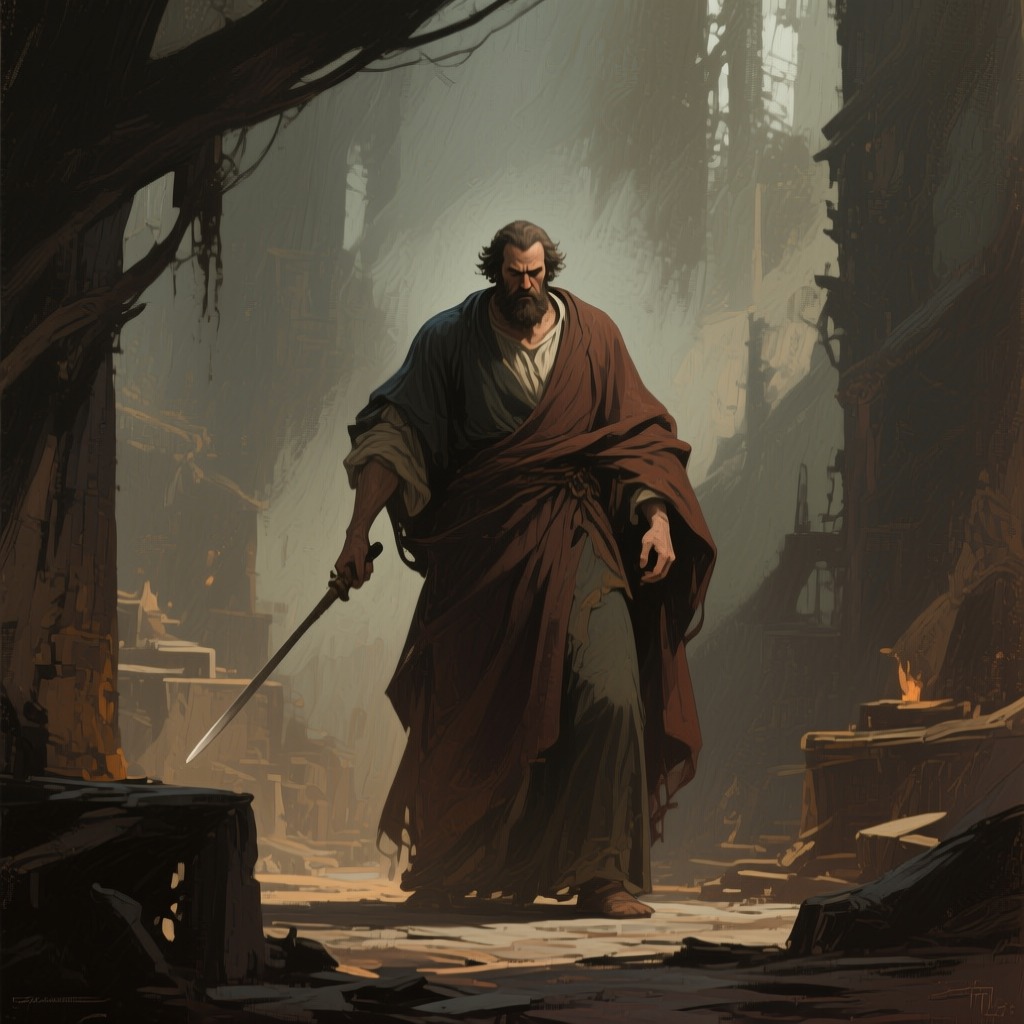
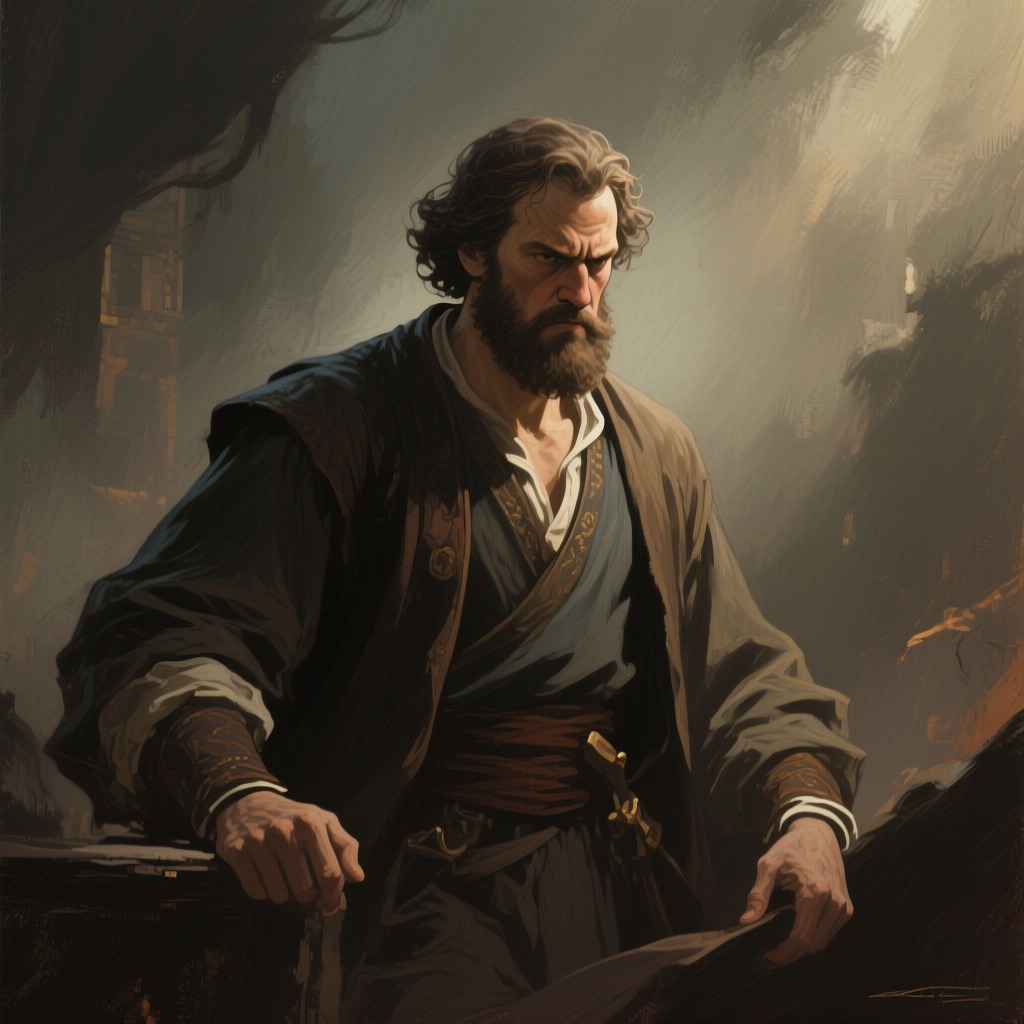
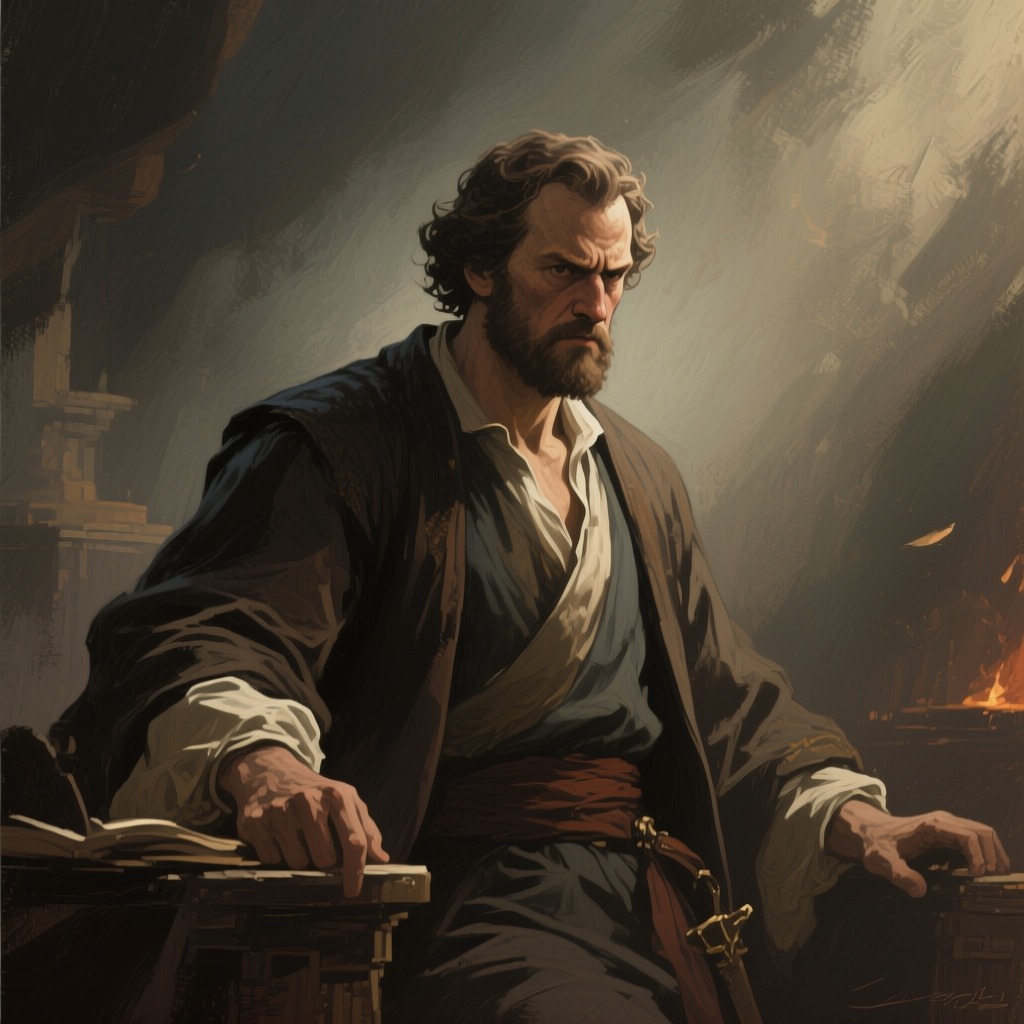
The letter originates in the aftermath of the vase-breaking incident at the Triton fountain, when Robbie, alone in his cramped study under the bungalow's roof, sits at his Olympia typewriter to compose an apology to Cecilia. He drafts a conventional note—"The truth is, I feel rather lightheaded and foolish in your presence, Cee, and I don't think I can blame the heat! Will you forgive me?"—but then, in a moment of unguarded passion, types a second, obscene version: "In my dreams I kiss your cunt, your sweet wet cunt. In my thoughts I make love to you all day long." He immediately recognizes the draft as ruined and sets it aside, writing the apology out in longhand instead. The obscene draft remains on his desk, lying across an open copy of Gray's Anatomy at the section on the vagina, while the innocuous letter is folded into an envelope.
The Misdelivery
When Robbie encounters Briony on the bridge at dusk, he asks her to deliver his note to Cecilia. In the dimming light, he reaches for the envelope containing the polite apology but instead picks up the obscene draft. The explanation is mechanical and devastating: the two sheets of paper were lying side by side on his desk, and in his haste he took the wrong one. As Briony runs toward the house, Robbie is seized by "horror and absolute certainty"—he knows what he has done, but pursuit is pointless. He bellows her name, but she has already entered the house and closed the door.
Briony's Reading and Interpretation
Briony opens the letter in the entrance hall, and the word she finds there—the obscenity—strikes her with the force of a revelation. She has never seen or heard the word before, but she understands its meaning instantly: "The smooth-hollowed, partly enclosed forms of its first three letters were as clear as a set of anatomical drawings." The letter confirms everything she believes she has witnessed: the strange scene by the fountain, the library encounter she interrupts. She concludes that Robbie is a "maniac" and that her sister is in danger. The letter becomes the clinching evidence in her mind, the proof that transforms her vague suspicions into certainty.
The Letter as Evidence
Later that night, after the assault on Lola Quincey, Briony retrieves the letter from Cecilia's room and presents it to the police. The senior inspector reads it "at great speed, almost at a glance," and it is passed around the room. Emily Tallis reads it several times and then turns on her daughter: "If you had done the right thing, young lady, with all your education, and come to me with this, then something could have been done in time and your cousin would have been spared her nightmare." The letter is placed into a binder and becomes a key piece of evidence in the prosecution. Cecilia's attempts to explain that it was a mistake, that the obscene version was never meant to be sent, are ignored. The letter speaks for itself—or rather, it is made to speak for what the adults already believe.
The Letter's Afterlife
The letter haunts the novel long after Robbie's arrest. In the years that follow, Cecilia and Robbie maintain their love through correspondence, their letters coded and censored. Cecilia's final letter to Robbie in France contains the news that Briony may be ready to recant, and ends with the refrain that has sustained him through prison and war: "I'll wait for you. Come back." Robbie carries this letter in his pocket during the retreat to Dunkirk, touching it as a kind of "genuflection." The obscene letter, by contrast, has done its work and disappears from the narrative—but its consequences persist. When Briony finally confesses to Cecilia and Robbie in 1940, she acknowledges that her reading of the letter was the moment she "committed her crime," the point at which she chose to believe the worst and set in motion the tragedy that could never be undone.