Propontis
CandidePropontis brings Candide’s search for Cunegonde to its long-awaited meeting point, but the reunion there is far from the joyful restoration he had imagined. On its banks, he finds Cunegonde and the Old Woman working in the household of an exiled prince; the encounter leads to their ransom and, almost immediately, a dispute over marriage and status.
Setting and Route
The narrative places the house of a Transylvanian prince on the banks of Propontis. The location also belongs to the wider route of displacement described by Cacambo: after a corsair seized their remaining wealth, Cunegonde and the Old Woman were carried through a series of ports, including Marmora, before ending up in service to the prince. The journey links Propontis to the story’s recurring movement of people through captivity, sale, and precarious refuge.
The Reunion on Its Banks
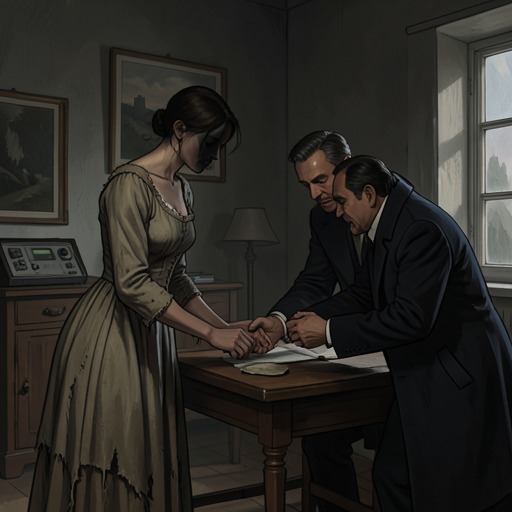
Candide arrives with The Baron, Pangloss, Martin, and Cacambo. As the company talks through its adventures and debates causes, moral and physical evil, liberty, necessity, and the consolations available to a galley slave, the first people they see at the prince’s house are Cunegonde and the Old Woman, hanging towels out to dry. The ordinary task makes the reunion sharply different from Candide’s idealized expectation of finding Cunegonde amid wealth and splendor.
Consequences Nearby
The sight unsettles The Baron, while Candide recoils when he sees that Cunegonde has changed in appearance. He then approaches her out of courtesy; she embraces him and her brother, and the company embraces the Old Woman. Candide ransoms both women. The Old Woman proposes that they make do at a small nearby farm until the group can arrange better provision, extending Propontis’s role from the place of reunion to the setting for the companions’ provisional household.
Narrative Significance
Propontis turns a promised return into a confrontation between remembered beauty and present hardship. Cunegonde does not know that she has grown ugly, and she reminds Candide of his promise with such insistence that he feels unable to refuse her. He announces that he intends to marry her, but The Baron objects, arguing that the marriage would be degrading and that her children would be barred from entering the church in Germany. The reunion therefore restores the relationship without resolving its conflicts: the companions have found one another, but status, expectation, and changed circumstances remain between them.