Surinam
CandideSurinam is the Dutch-controlled setting where the dwindling riches carried from El Dorado meet the human cost of sugar production. Candide and Cacambo approach its town after a hundred days of travel with only two of their original sheep remaining; there, an enslaved man’s mutilated body and testimony force Candide to confront suffering that Pangloss’s optimism cannot explain.
Setting and arrival
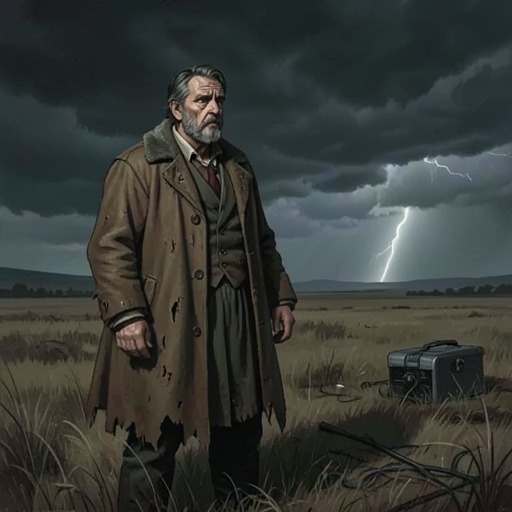
The Surinam episode begins with an abrupt reversal of fortune. The travelers’ first day after leaving El Dorado is joyful: Candide, delighted by their treasure, carves Cunegonde’s name into trees. Then their sheep and cargo are steadily lost. Two animals plunge into a morass, two die of fatigue, seven or eight perish from hunger in a desert, and others fall from precipices. After a hundred days, only two remain.
The losses make Surinam a threshold between the apparent abundance of El Dorado and the precarious journey beyond it. Candide reflects that worldly riches are perishable and identifies virtue and the hope of seeing Cunegonde again as more lasting sources of happiness. Cacambo, still emphasizing the treasure they retain, interprets the sight of the Dutch town as the end of their troubles and the beginning of happiness. What they encounter there overturns that expectation.
The enslaved man and the sugar trade
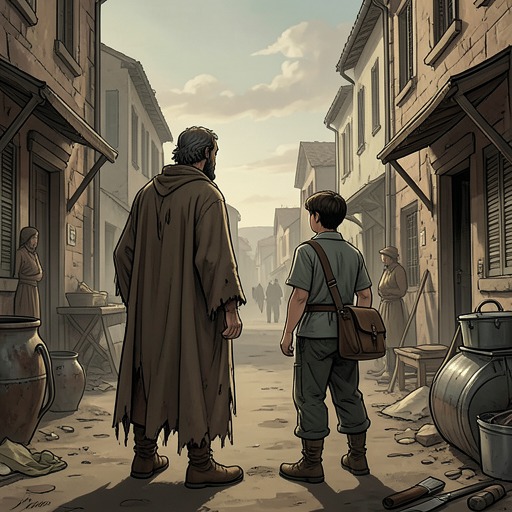
Near the town, the travelers see a man lying on the ground, wearing only half of his clothing: blue linen drawers. He has lost his left leg and right hand. He explains that the clothing allowance is two pairs of drawers a year. At the sugar cane, a mill’s grasp on a worker’s finger is answered by amputation of the hand; an attempt to escape brings amputation of the leg. His injuries make the violence of the labor system visible in a body rather than an abstraction.
The man connects that violence directly to sugar consumed in Europe. He recounts that his mother sold him on the coast of Guinea for ten patagons and urged him to honor the fetishes who, she said, had made him fortunate to serve white masters and thereby enrich his parents. He doubts that his family prospered and knows that he did not. He also points to a contradiction in the Dutch religious teaching he has received: preachers declare on Sundays that black and white people are all children of Adam, yet the people who share that supposed kinship treat him barbarously. His testimony gives the episode its moral force: a distant commodity and a public profession of religious kinship stand beside mutilation, enslavement, and human sale.
Candide’s disillusionment and the journey onward
Candide responds by declaring that Pangloss had not anticipated this abomination and that he must renounce optimism. When Cacambo asks what optimism means, Candide describes it as the insistence that everything is right when it is wrong. Surinam thus marks a decisive challenge to the doctrine he has repeatedly carried through the novel: suffering here is not merely a misfortune to be reconciled with a general order, but an injustice with identifiable causes and beneficiaries.
The encounter precedes Candide’s acquaintance with Martin. The old philosopher embarks with Candide from Surinam for Bordeaux, and their shared experience of suffering supplies a continuing subject for their conversations about moral and natural evil. Candide nevertheless retains a hope Martin lacks: he still expects to see Cunegonde. Surinam therefore changes his judgment of optimism without extinguishing his personal hope, leaving the novel’s debate between expectation and evidence open as the voyage continues.