Portugal
CandidePortugal is the setting for a chain of reversals in which a shipwreck, the destruction of Lisbon, and a staged religious punishment expose the distance between Pangloss’s system of optimism and the suffering before him. It is also where Candide unexpectedly finds Cunegonde alive, joining the country’s catastrophe and cruelty to the story’s recurring pattern of loss and improbable reunion.
Arrival and the Lisbon Voyage
After James the Anabaptist pays for Pangloss’s treatment, Pangloss loses an eye and an ear but becomes James’s bookkeeper. Two months later, James takes Pangloss and Candide aboard his ship on mercantile business bound for Lisbon. The passage brings the philosophers’ disagreement into the same setting as the violence they are trying to explain: James argues that people have corrupted their nature and made weapons to destroy one another, while Pangloss maintains that private misfortunes contribute to the general good.
The voyage ends in a shipwreck in the Bay of Lisbon. When a sailor strikes James and falls overboard, James rescues him; the effort throws James into the sea, and the sailor leaves him to drown. Candide sees his benefactor surface once before he is swallowed by the water. Pangloss prevents Candide from jumping after him, reasoning that the bay was made for James to drown. The ship founders, and James dies; only Pangloss, Candide, and the sailor survive. The sailor reaches shore by swimming, while Pangloss and Candide are carried there on a plank.
Earthquake and Its Aftermath
Pangloss and Candide walk toward Lisbon with some money left, lamenting James’s death. On reaching the city, they encounter the earthquake: the sea swells and smashes ships in the harbour, while fire and ash whirl through public places and streets. Houses collapse, roofs fall onto pavements, and the pavements themselves are scattered. The account gives the death toll as thirty thousand people of all ages and sexes. The surviving sailor responds by looking for booty, setting his opportunism against Candide’s grief and Pangloss’s search for a sufficient reason for the disaster.
The earthquake is not treated as an isolated calamity. The story immediately follows it with a human attempt to prevent another one through ritual punishment, making the response itself part of the satire. The scale of the destruction and the authorities’ proposed remedy are set in sharp opposition: Lisbon’s suffering calls for aid, but the proposed intervention is an elaborate spectacle of violence.
The Auto-da-fé
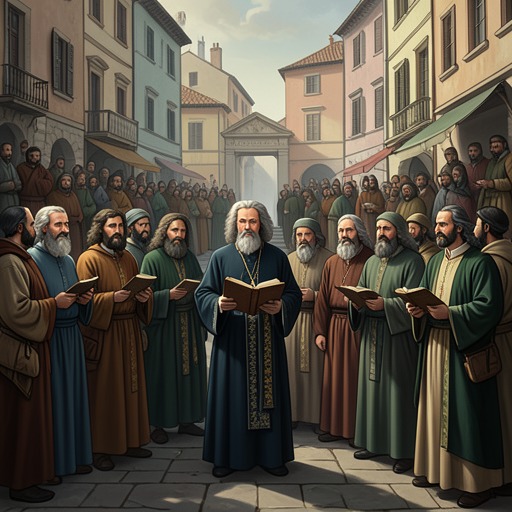
After the earthquake has destroyed three-fourths of Lisbon, the sages of the country rely on a decision attributed to the University of Coimbra: burning a few people alive, slowly and ceremonially, is presented as a sure way to stop further earthquakes. The authorities seize a Biscayan for marrying his godmother and two Portuguese men for rejecting bacon served with chicken. They also arrest Pangloss for speaking his mind and Candide for listening with apparent approval.
Eight days later, the prisoners are dressed for the procession in San-benitos and paper mitres. Candide’s mitre and garment bear reversed flames and devils without tails or claws, while Pangloss’s display upright flames and devils with tails and claws. After a sermon and church music, Candide is whipped in time with the singing. The Biscayan and the two men who refused the bacon are burned, and Pangloss is hanged, though the account notes that hanging is not customary. The earth shakes violently again that same day, directly undercutting the supposed efficacy of the ceremony.
Reunion and Narrative Significance
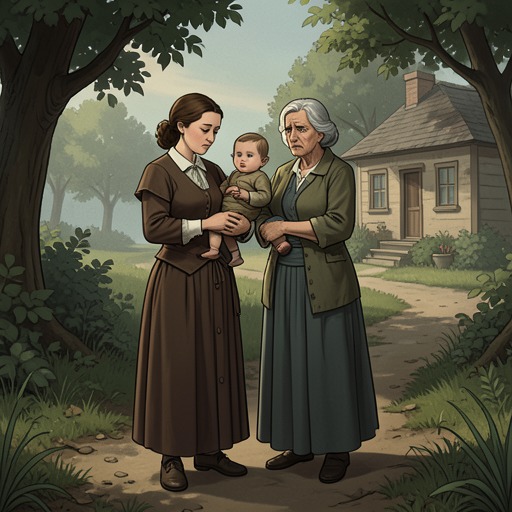
Portugal is also the place where Candide finds Cunegonde again. The Old Woman supports a trembling, veiled woman adorned with jewels; when Candide lifts the veil, he recognizes Cunegonde and collapses at her feet. She falls onto a sofa, and the Old Woman revives them with a smelling bottle. Their first exchange is broken by questions, sighs, tears, and cries before the Old Woman leaves them together. Candide’s astonishment comes from believing, on Pangloss’s earlier account, that Cunegonde had been killed. She confirms that she survived the violation and the wound he asks about.
These Portuguese episodes compress the novel’s collision of explanation and experience into a single setting. Pangloss continues to impose a providential rationale on James’s death even as the sailor who caused it survives; the supposed earthquake-preventing ritual is followed by another tremor; and Candide’s apparent certainty that Cunegonde is dead gives way to recognition. Portugal therefore serves both as a scene of institutional cruelty and as a place where the plot overturns what its characters believe they know.