Mumtaz
ChowringheeMumtaz is the Shahjahan Hotel’s bar and cabaret room: a working space of drinks and service that becomes, on performance nights, a packed public theatre. Its changing audiences and repeated shows expose the business behind the spectacle, from staff handling bottles and ticket money to the labor required to keep a performance—and the hotel’s income—moving.
Setting and Everyday Use
Mumtaz belongs to the everyday machinery of the hotel as well as its nightlife. At lunch, hotel guests may stop at the bar before entering the dining room; some call for Tobarak Ali, the drinks boy with the red armband, as soon as he arrives. The small details of service make the room part of a larger routine: one customer habitually drinks cold beer while hot soup is brought to him, and music begins on a signal from Gómez, whose five musicians play from their scores. The bar is thus connected to the dining room’s schedule, but its drink service gives it a distinct place in the hotel’s flow of guests.
The room also serves as a refuge for drinking away from public view. When Phokla Chatterjee leaves a dry gathering, he says he will drink privately at Mumtaz. Sata Bose points out that the bar remains open until ten, and Phokla asks for cash or for the drinks to be charged to someone else’s account. Agarwalla agrees to the account request; Sata Bose separately instructs the narrator to make sure Phokla is not charged. The exchange makes the bar a practical outlet for a guest’s appetite, but also shows how access and payment can be negotiated through the hotel’s staff and personal favors.
The Bar as a Managed Business
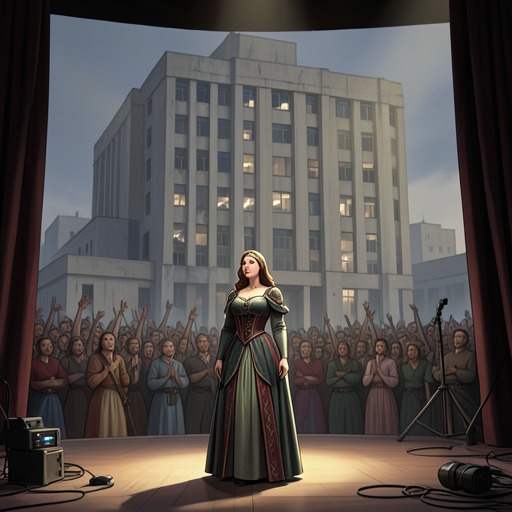
On a cabaret night, Mumtaz fills until there is no space left in the bar. William Ghosh manages the entry point from a table at the restaurant door, where he keeps both the admissions register and the cash box; many customers buy tickets in advance. Phokla Chatterjee and his companion Ranganathan have already secured front-row seats. Parabashia watches the guests’ clothing at the entrance, and William invokes the posted reservation of the right of admission when a man in a short-sleeved shirt tries to enter. The man returns fifteen minutes later in a Western suit, saying he has spent 250 rupees on a ready-made outfit and intends to complain to the newspapers. The doorway makes Mumtaz’s social rules visible: entry is not simply a matter of buying a ticket, but also of meeting the expectations imposed on the audience.
Inside, the volume of trade becomes part of the spectacle. Tobarak Ali and Ram Singh have been opening soda bottles since eight o’clock; beer, whisky, rum, and gin are being served, and Ram Singh estimates that the night will bring in six or seven thousand rupees. Phokla has already drunk two bottles of White Label and asks for a long measure of Dimple Scotch, while Ranganathan sips Cinzano. These details place the cabaret within an economy of heavy consumption. Mumtaz sells the audience not only a performance but also an evening of drinks, and the staff’s brisk work makes that commercial setting possible.
Connie’s Performances
Mumtaz’s cabaret centers on Connie, whose act is staged as a calculated unlayering. During one performance, she removes successive pieces of clothing as the audience cheers, only for the crowd to discover that she has been wearing several layers. When the final clothing comes away, the room goes dark; Connie covers herself with a garment from the floor and disappears. The lights return to prolonged applause, while Lambreta slowly gathers the scattered skirt, underwear, brassiere, and blouse. The blackout both ends the exposure and leaves the audience’s attention suspended; the applause does not erase the practical work of collecting what the performance has left behind.
The show is repeated, but the repetition reveals its cost. Before another performance, Connie resists being reminded of an earlier unpleasant incident, though she says that Harry is the one who becomes exasperated by such things. Under colored lights, she again performs the balloon dance as the customers shout. The narrator sees that the Connie of the previous night is no longer fully present: she is tired, and her spirit appears to be fading. The audience bursts the balloons, briefly reducing the performer to the center of a hungry crowd’s attention; Connie escapes their gaze sooner than before. The lights rise, and the customers surge out, eager to be first on their way home. Mumtaz’s repeated act is therefore not a simple return to the same spectacle: each night renews the show while making Connie’s exhaustion harder to ignore.
Audience and Narrative Significance
Mumtaz’s audience changes as the cabaret becomes part of what the city recognizes as modern culture. On a later evening, women are present in the crowd, including the city’s respectable, modern women, who arrive to see the show. Sata Bose treats this attendance as evidence of Indians’ eager adoption of modern civilization and imagines women and children eventually joining the audience for belly dancers. The scene places the cabaret within a wider argument about cultural change, even as the spectacle continues to organize attention around women’s bodies.
The room also gives the narrator another job beyond ordinary hotel service. As cabaret presenter, he must make announcements, attend to the guests, and carry out the work with skill; his future and his ability to keep earning a living depend on it. The contrast is central to Mumtaz’s role in the novel: guests experience an evening of drink and entertainment, while staff sustain it through controlled access, serving, collecting money, and managing the room’s transitions. Mumtaz is at once a social stage and a workplace, and its polished show depends on labor that the spectacle itself keeps at the margins.