
The Value of Manual Labor and Craftsmanship
Death of a SalesmanThe theme that working with one's hands, as opposed to selling, is presented as a more authentic and fulfilling way of life.
increasing Bearing strength in each event
 decreasing
Bearing strength in each eventdecreasingWilly's Carpentry
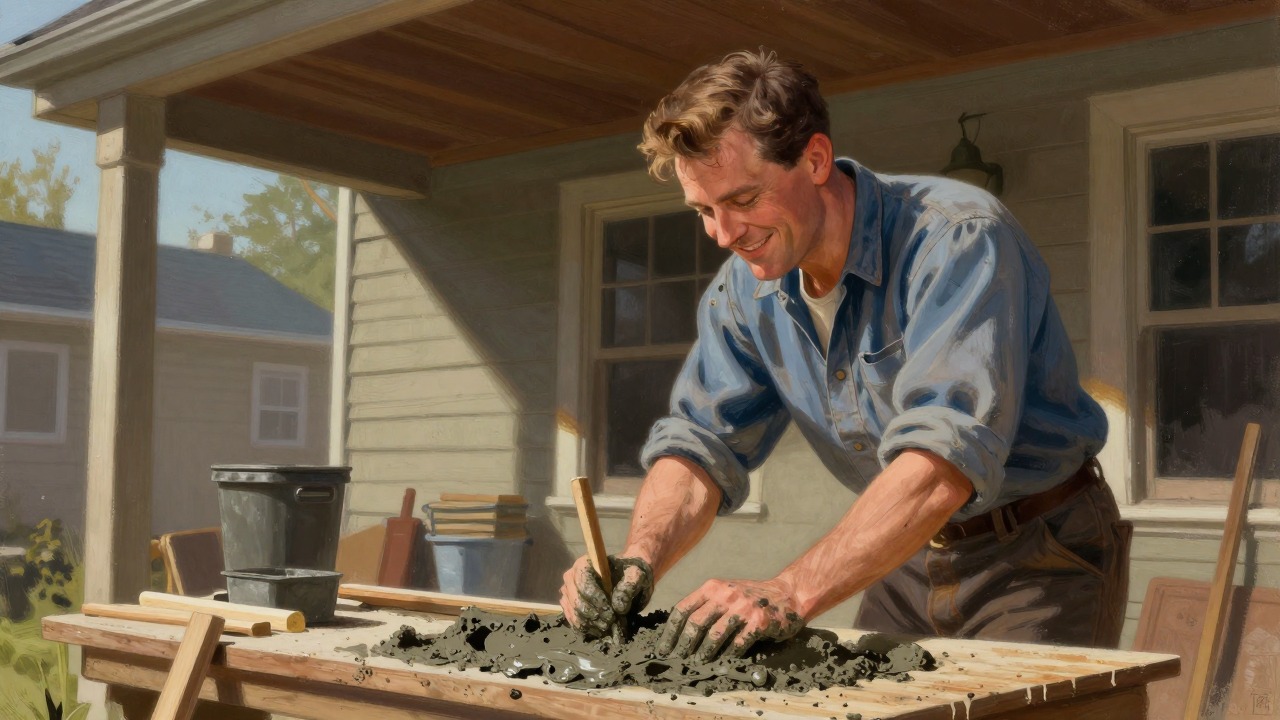
The Happy Man with Cement
The Hands-On Work
Willy is a skilled handyman. He built the porch, the ceiling, the garage. He was a happy man with a batch of cement. His hands-on work gives him a sense of accomplishment.
The Contrast with Selling
Selling is intangible, dependent on others' whims. Carpentry produces something solid and lasting. Willy's happiest moments are when he is building, not selling.
The Unrecognized Talent
Willy never values his carpentry as much as his salesmanship. He thinks being a salesman is superior. But the play suggests that his true talent lies in his hands.
Biff's Yearning for the Outdoors
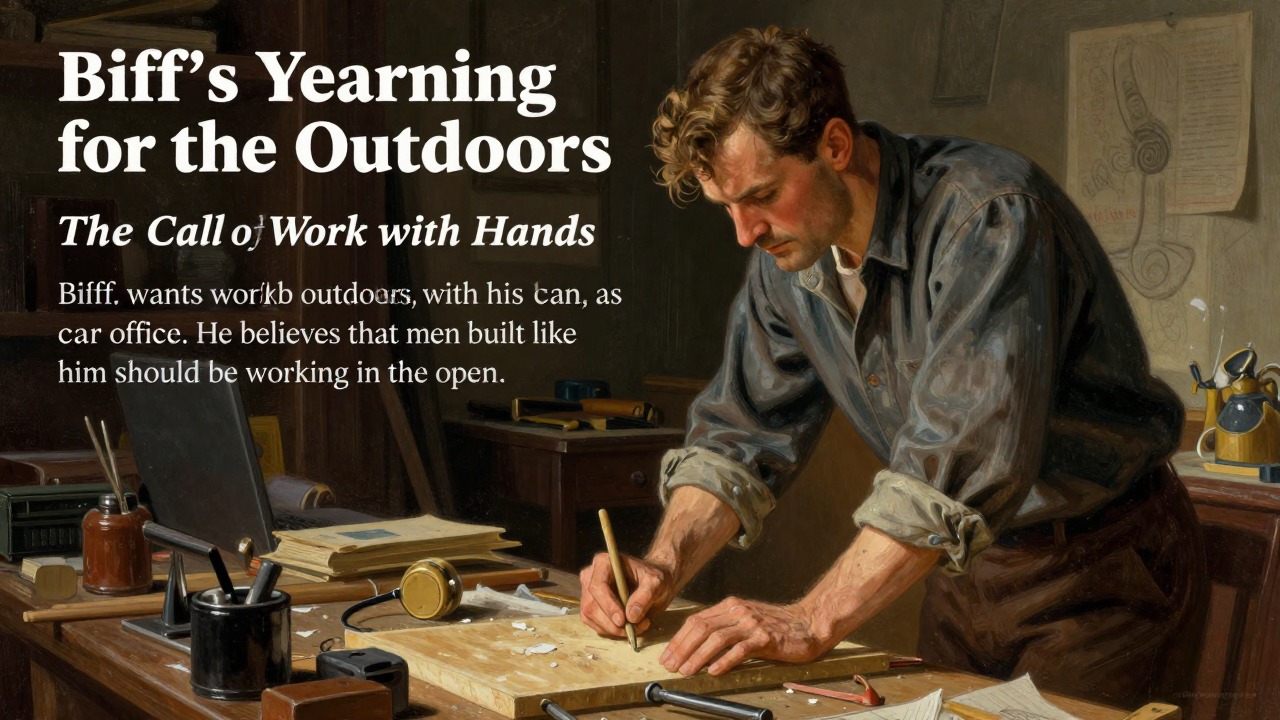
The Call of the Physical
The Desire to Work with Hands
Biff wants to work outdoors, with his hands, as a carpenter or a farmer. He feels trapped in the office. He believes that men built like him should be working in the open.
The Rejection of the White-Collar World
Biff rejects the corporate world as a nuthouse. He says a carpenter is allowed to whistle. The play values manual labor as a more honest and free way of life.
The Final Choice
Biff's decision to go West is a choice to embrace manual labor. He will work with his hands, not with his smile. The play suggests that this is a healthier path.
The Symbol of the House
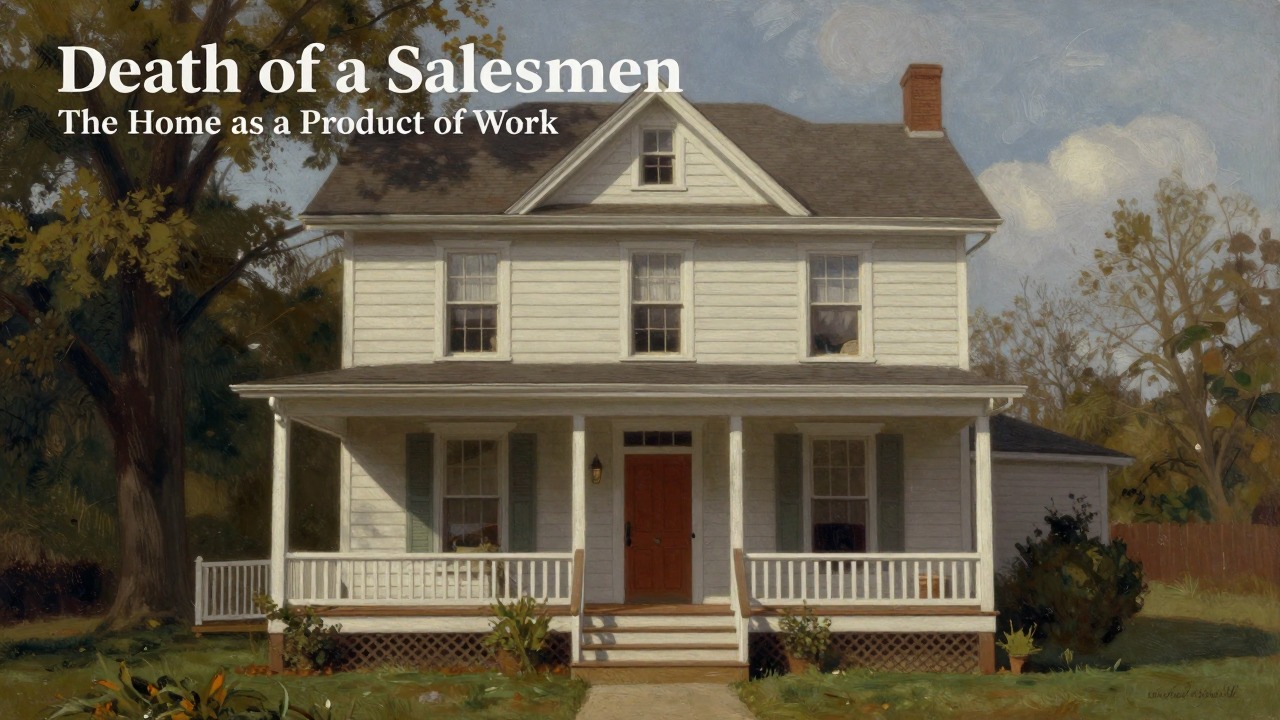
A Monument of Labor
The Home as a Product of Work
The Loman house is a symbol of Willy's manual labor. He built it, repaired it, and maintained it. Biff says there is more of Willy in the front stoop than in all his sales.
The House as a Legacy
Willy's true legacy is the house, not his sales record. But he does not see it that way. He values the intangible dream over the tangible work.
The Critique of Values
The play critiques a society that devalues manual labor. Willy's best work is ignored. The theme suggests that real fulfillment comes from creating, not from selling.
Throughout the play
Throughout the play
Throughout the play
