StoryFlow
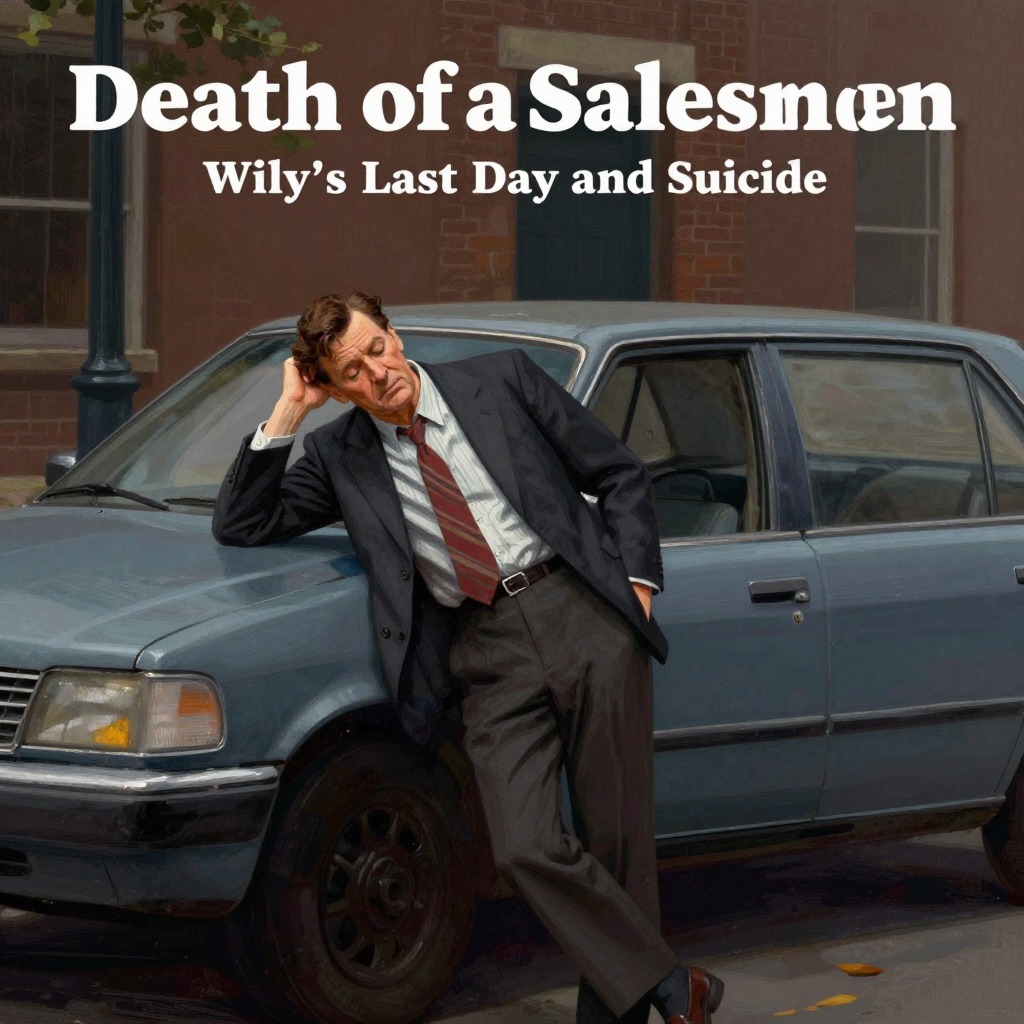
Willy's Last Day and Suicide
Traces Willy Loman's final twenty-four hours from his exhausted return home to his fatal car crash, driven by despair and a misguided belief in the insurance payout.
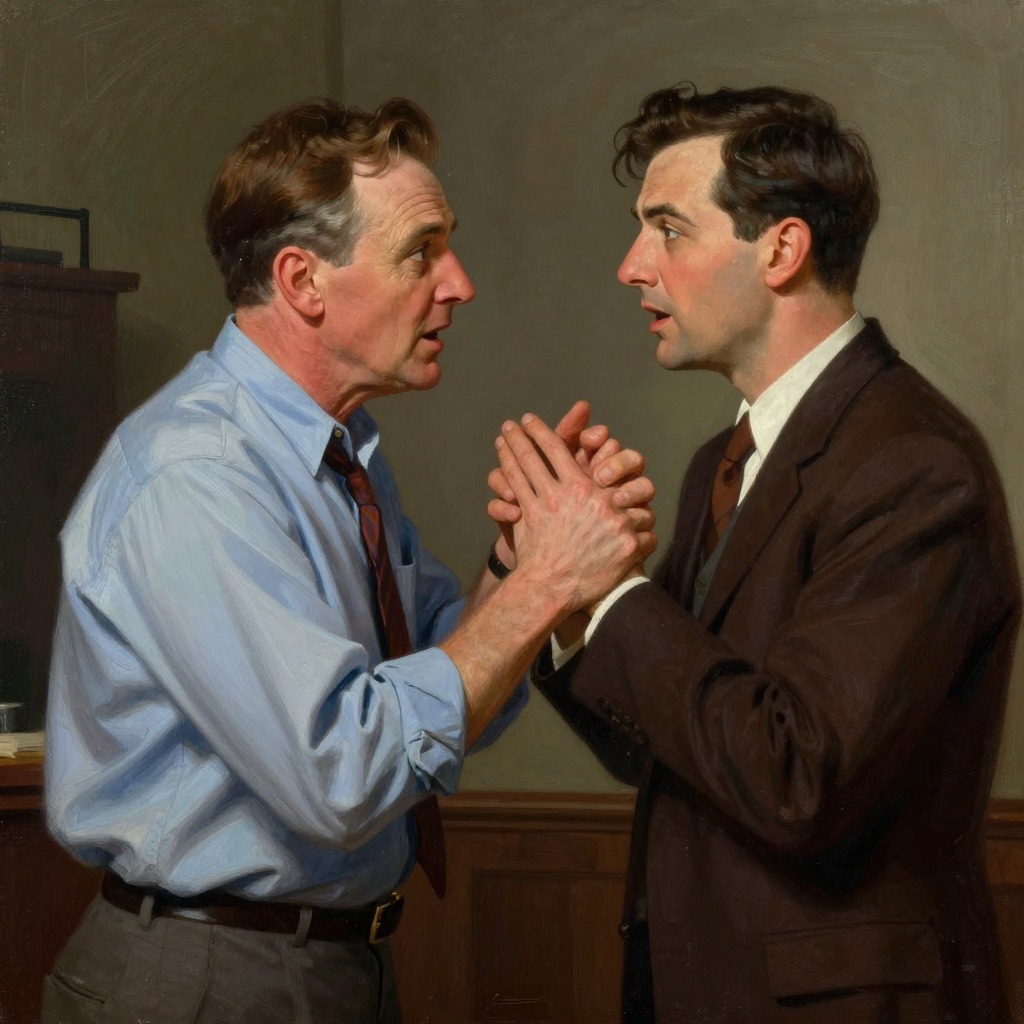
The Confrontation Between Biff and Willy
Chronicles the explosive father-son conflict that spans fifteen years, from Biff's discovery of Willy's affair to their final, cathartic argument.
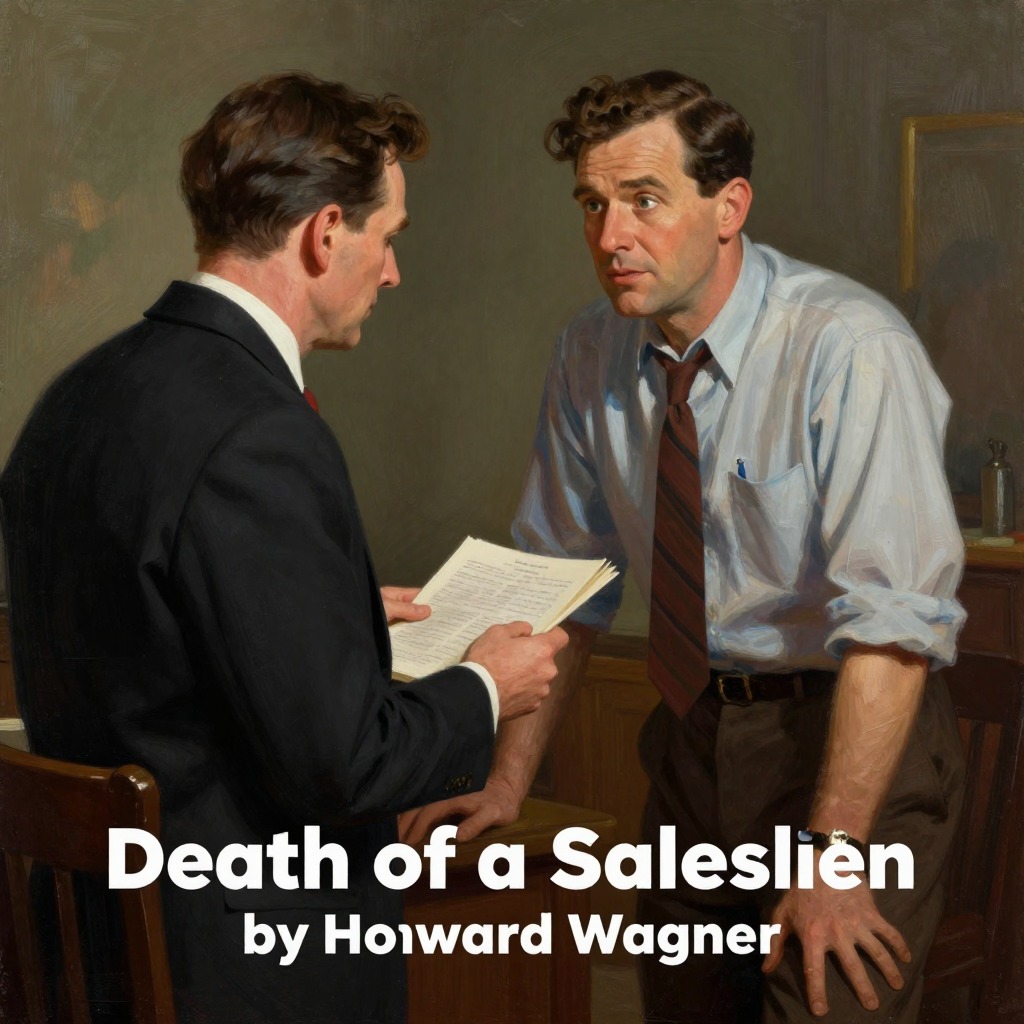
Willy's Firing by Howard Wagner
The pivotal scene where Willy Loman is fired from the Wagner Company after thirty-six years, marking the collapse of his professional identity.
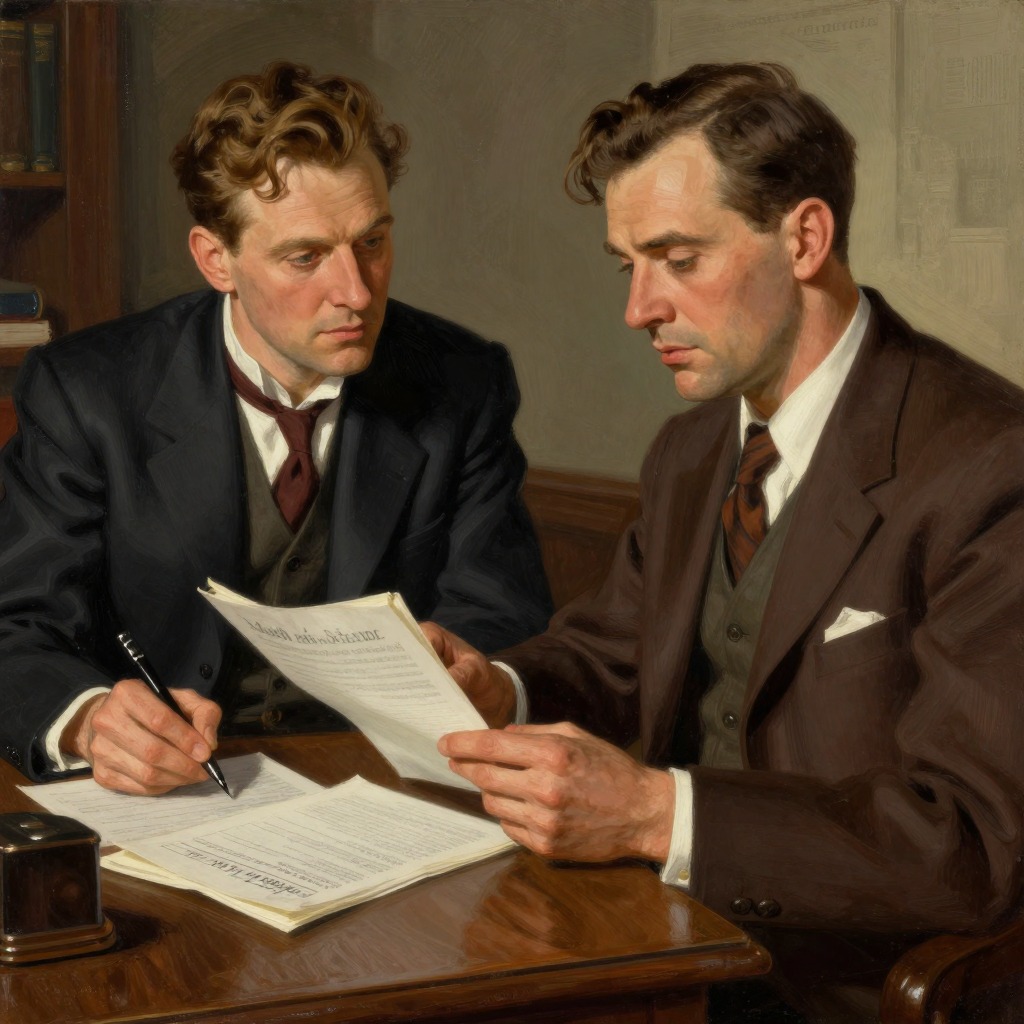
Biff's Attempt to Get a Loan from Bill Oliver
Tracks Biff's humiliating journey to secure a loan from a former employer, which shatters his illusions and forces him to confront his own failures.
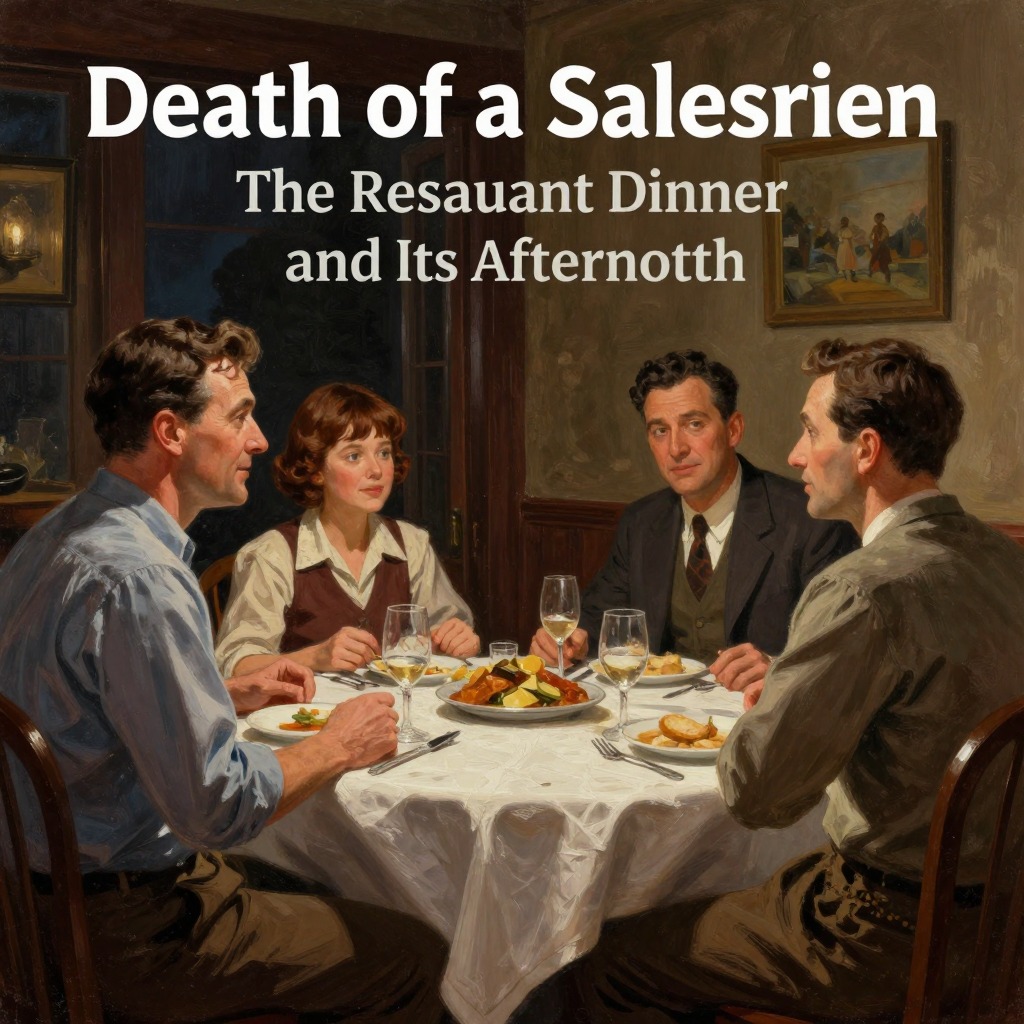
The Restaurant Dinner and Its Aftermath
Follows the disastrous family dinner at Frank's Chop House, where Willy's breakdown and Biff's confession lead to a night of shattered illusions.
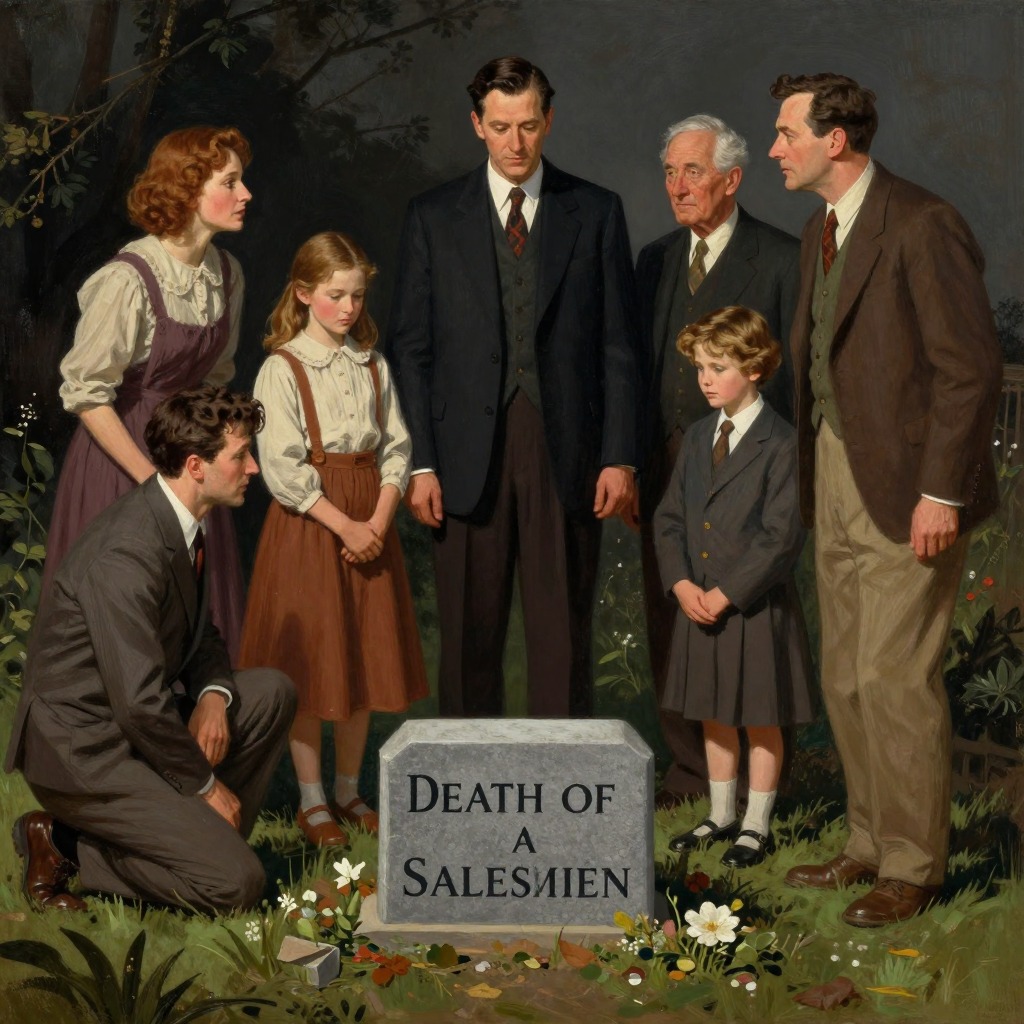
The Requiem and Funeral
The final scene at Willy Loman's grave, where the family and Charley reflect on his life and death, revealing the play's central themes.
Happy's Pursuit of the American Dream
Traces Happy Loman's relentless but hollow pursuit of success, women, and approval, mirroring his father's flawed values.
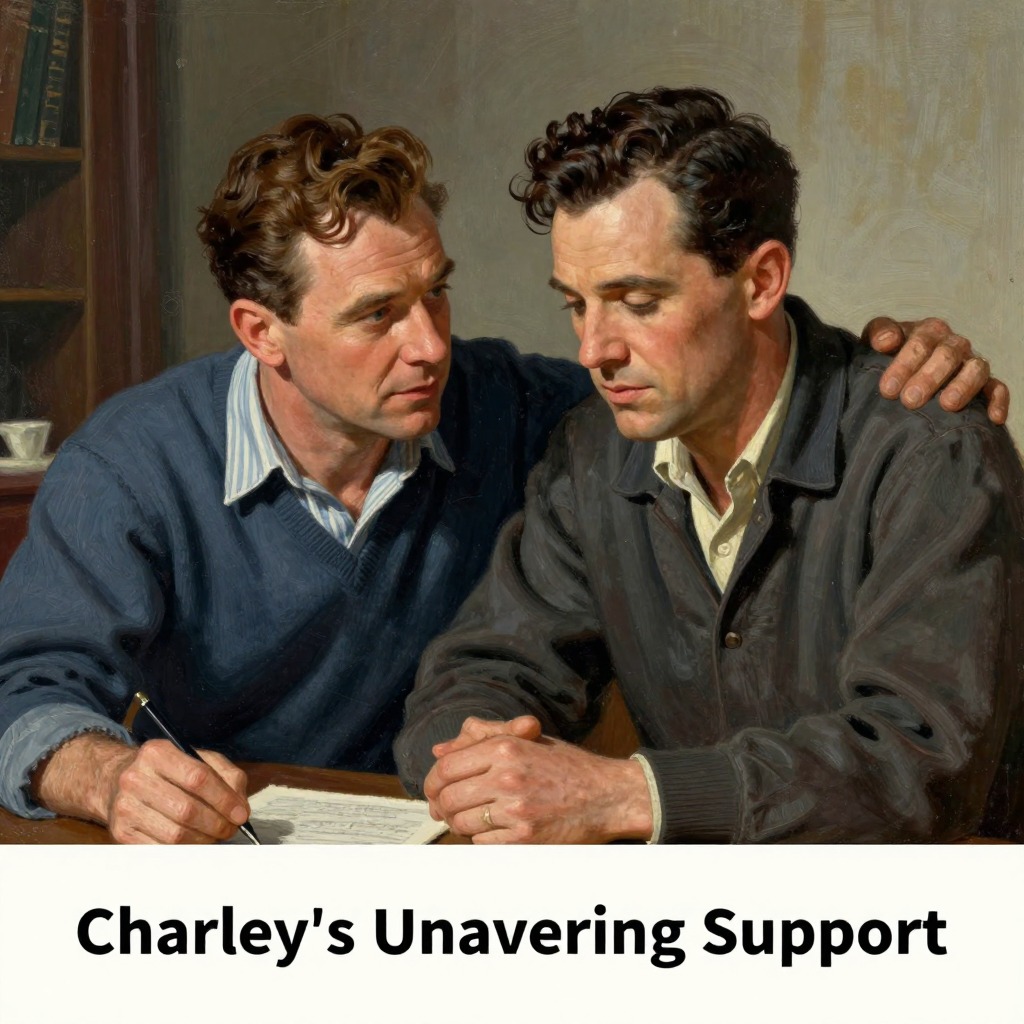
Charley's Unwavering Support
Chronicles Charley's quiet, consistent friendship and material support for Willy, offering a pragmatic alternative to Willy's dream-driven life.
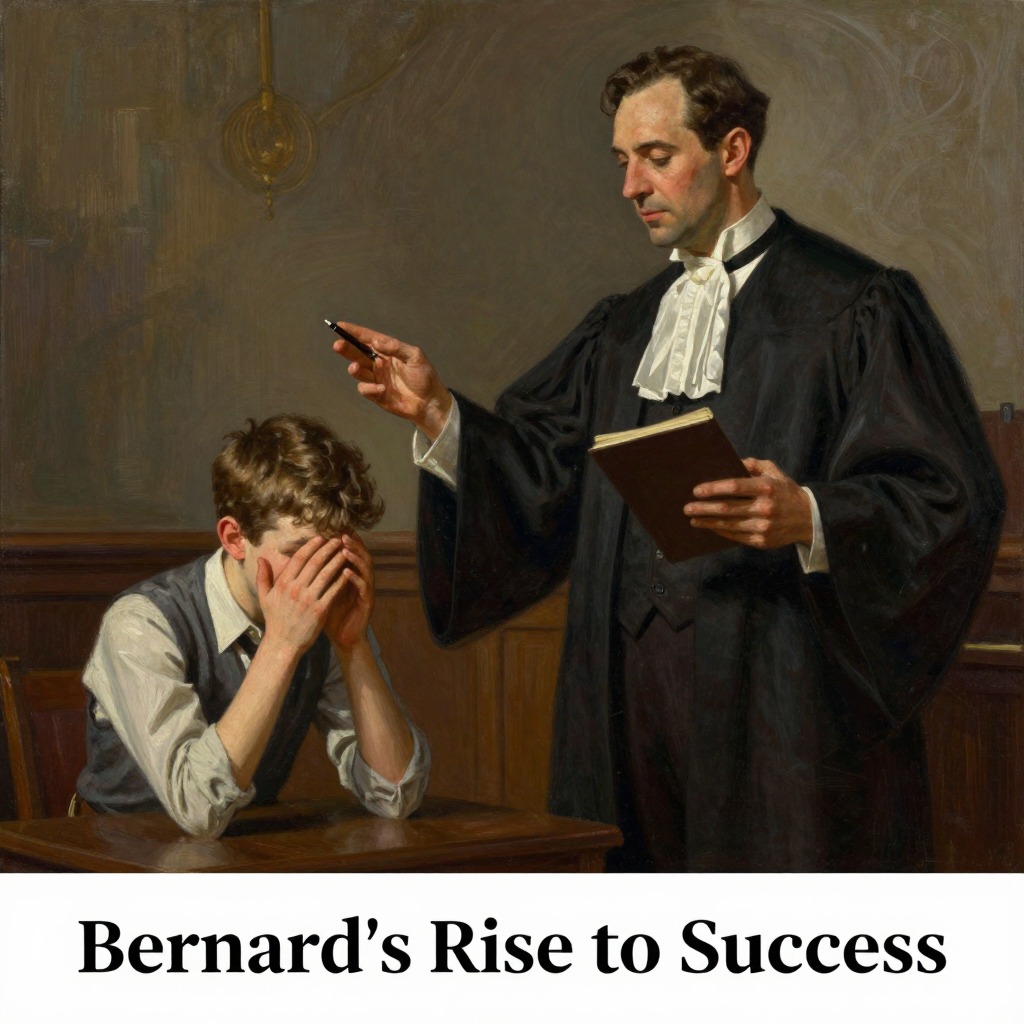
Bernard's Rise to Success
Follows Bernard's transformation from a nerdy, worried boy to a successful lawyer arguing before the Supreme Court, a foil to the Loman brothers.
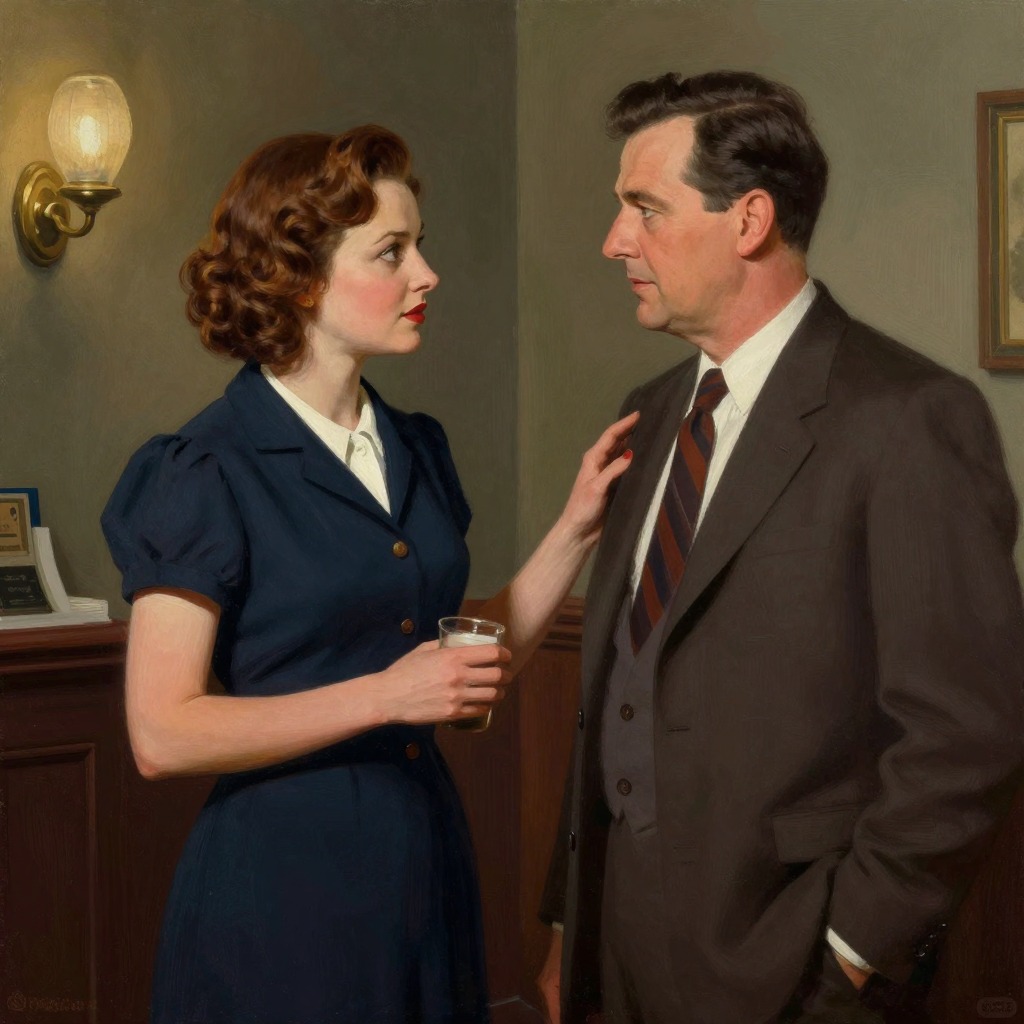
The Woman in the Boston Hotel
Traces the affair between Willy Loman and a secretary in Boston, a secret that destroys Biff's faith in his father and shapes the family's tragedy.
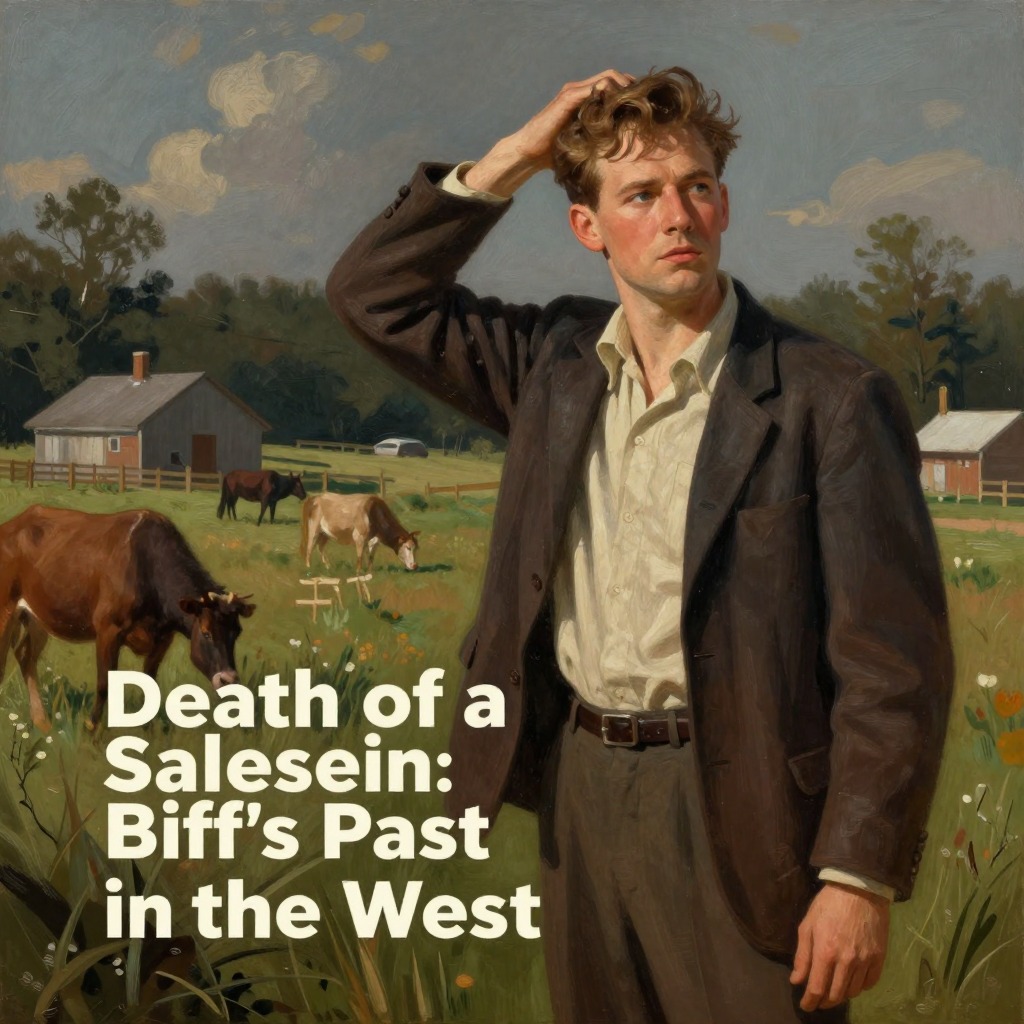
Biff's Past in the West
Explores Biff's years of wandering and working on farms, his love for the outdoors, and his struggle to find a meaningful life outside the city.
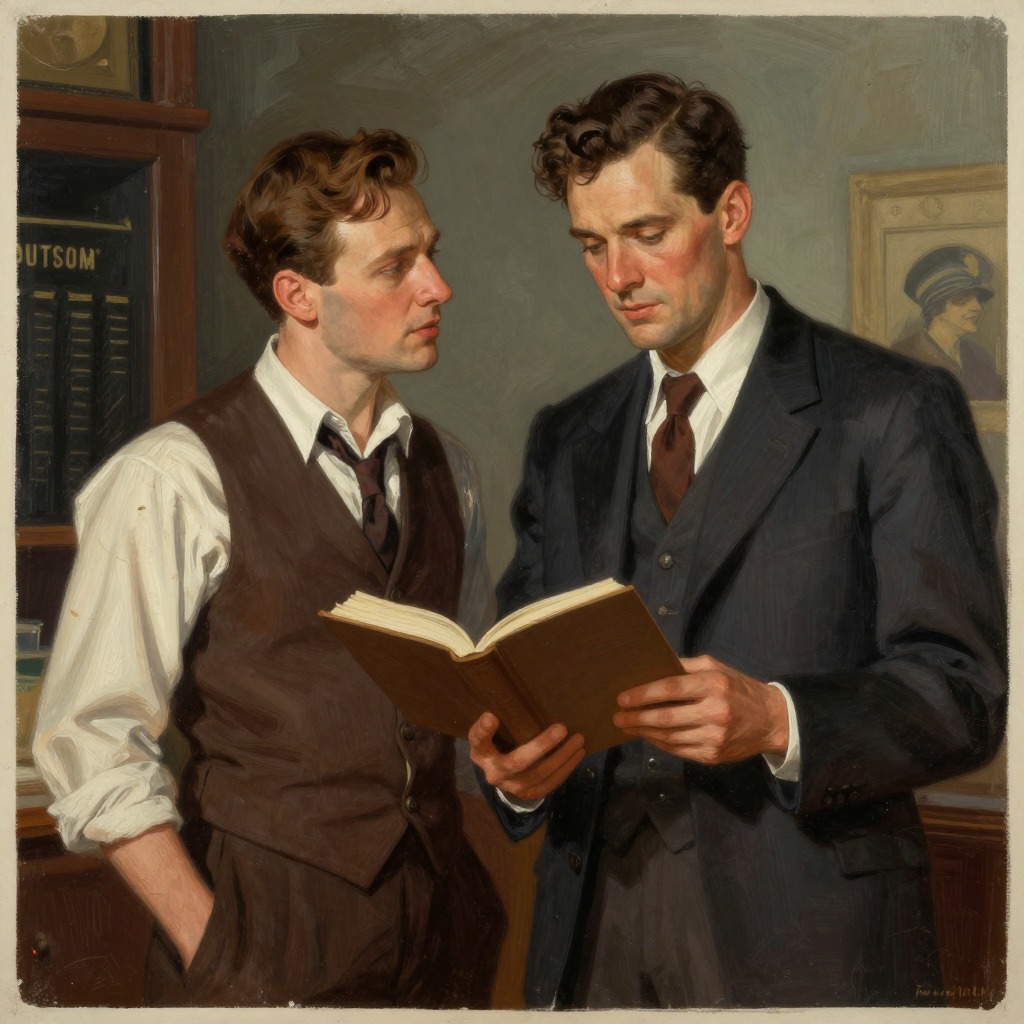
The Loman Brothers' Business Dream
Follows the fantasy of Biff and Happy going into business together as the Loman Brothers, a plan that never materializes but reveals their shared aspirations.
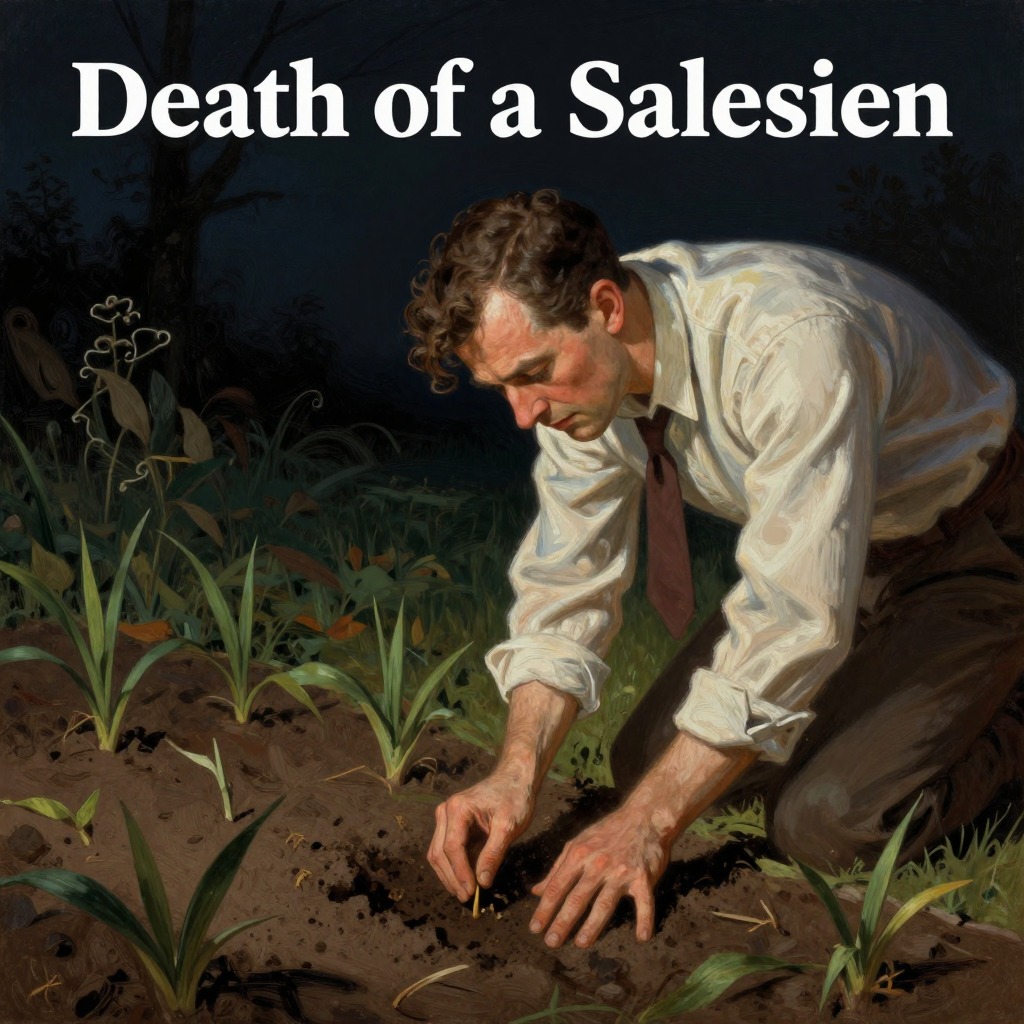
The Symbolic Seeds and Garden
Tracks Willy's desperate attempt to plant seeds in the dead of night, a metaphor for his futile hope for growth and legacy.
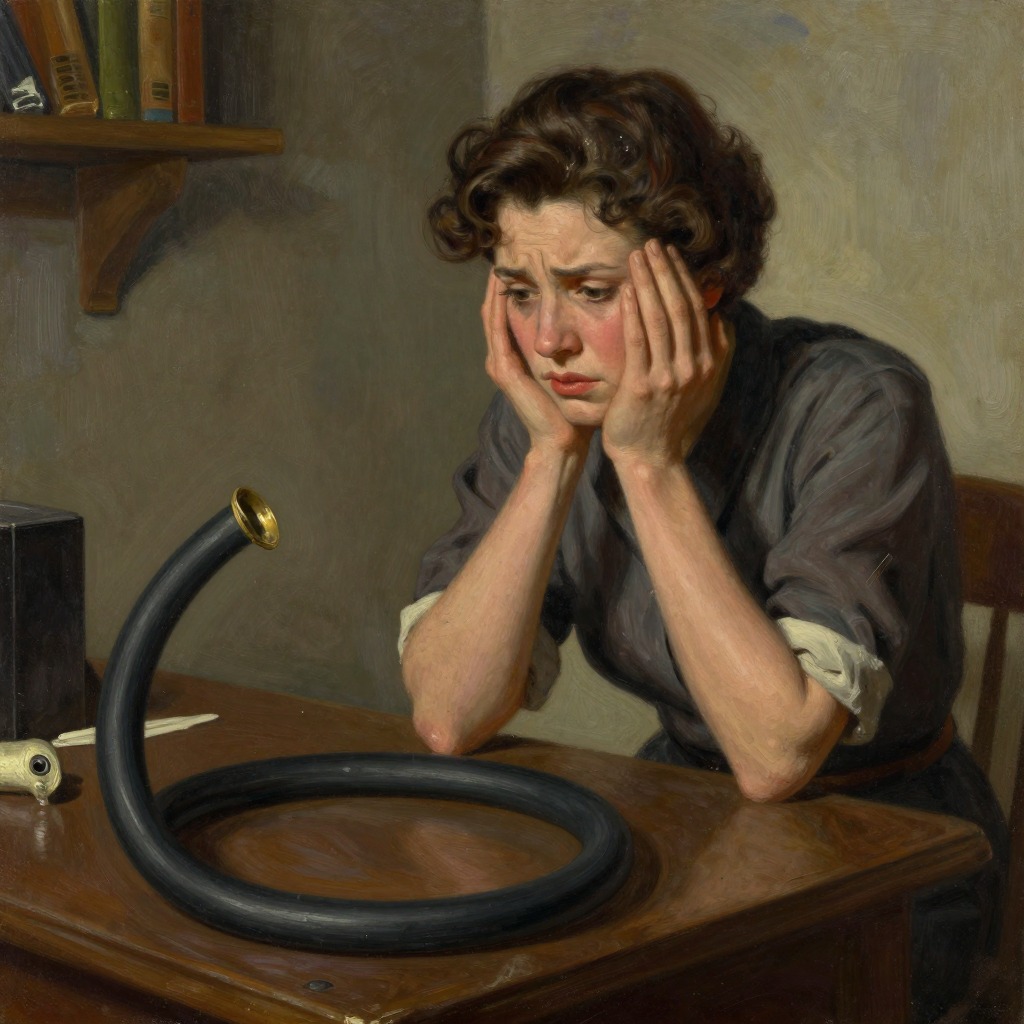
Linda's Discovery of the Rubber Hose
Linda's discovery of the suicide apparatus and her daily struggle to prevent Willy's death, revealing her quiet heroism and desperation.
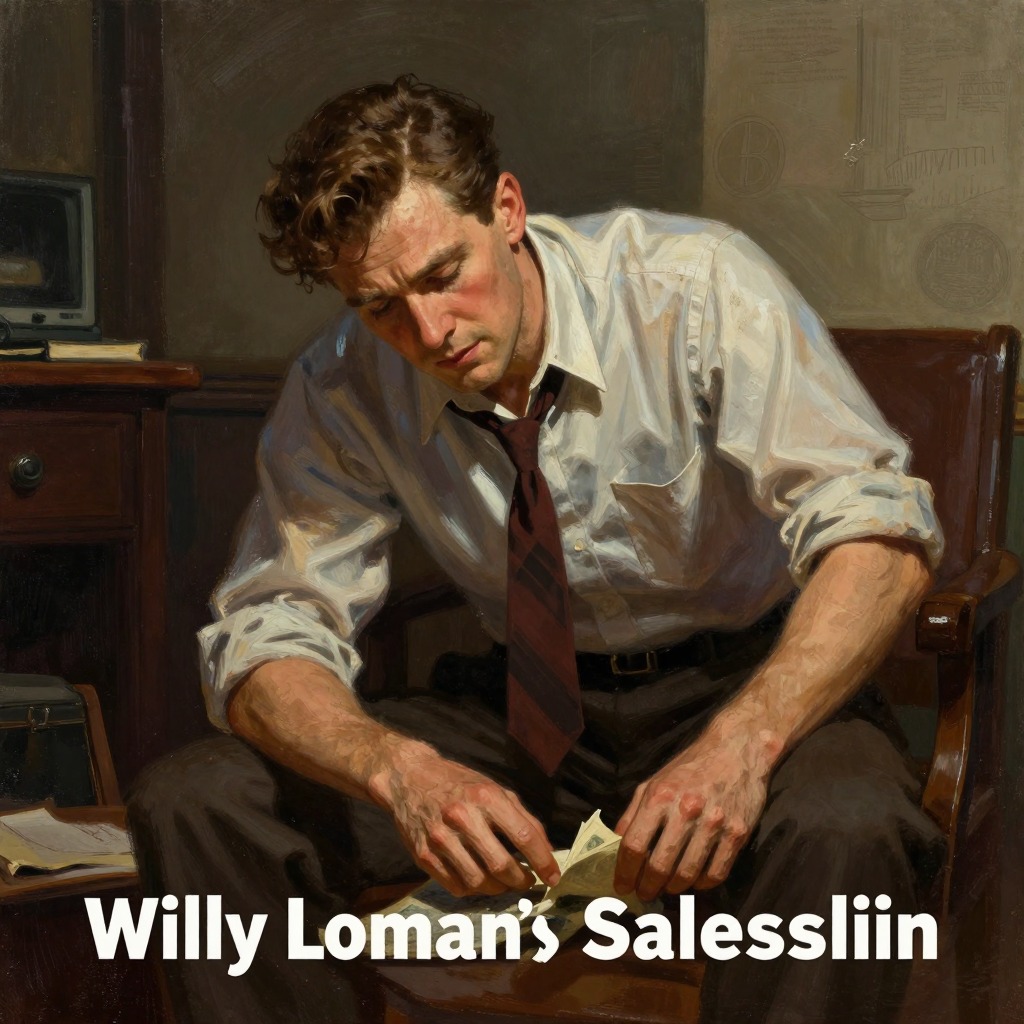
Willy Loman's Tragic Decline
The arc of Willy Loman's deterioration from a once-hopeful salesman to a broken, suicidal man, tracing the psychological and economic forces that destroy him.
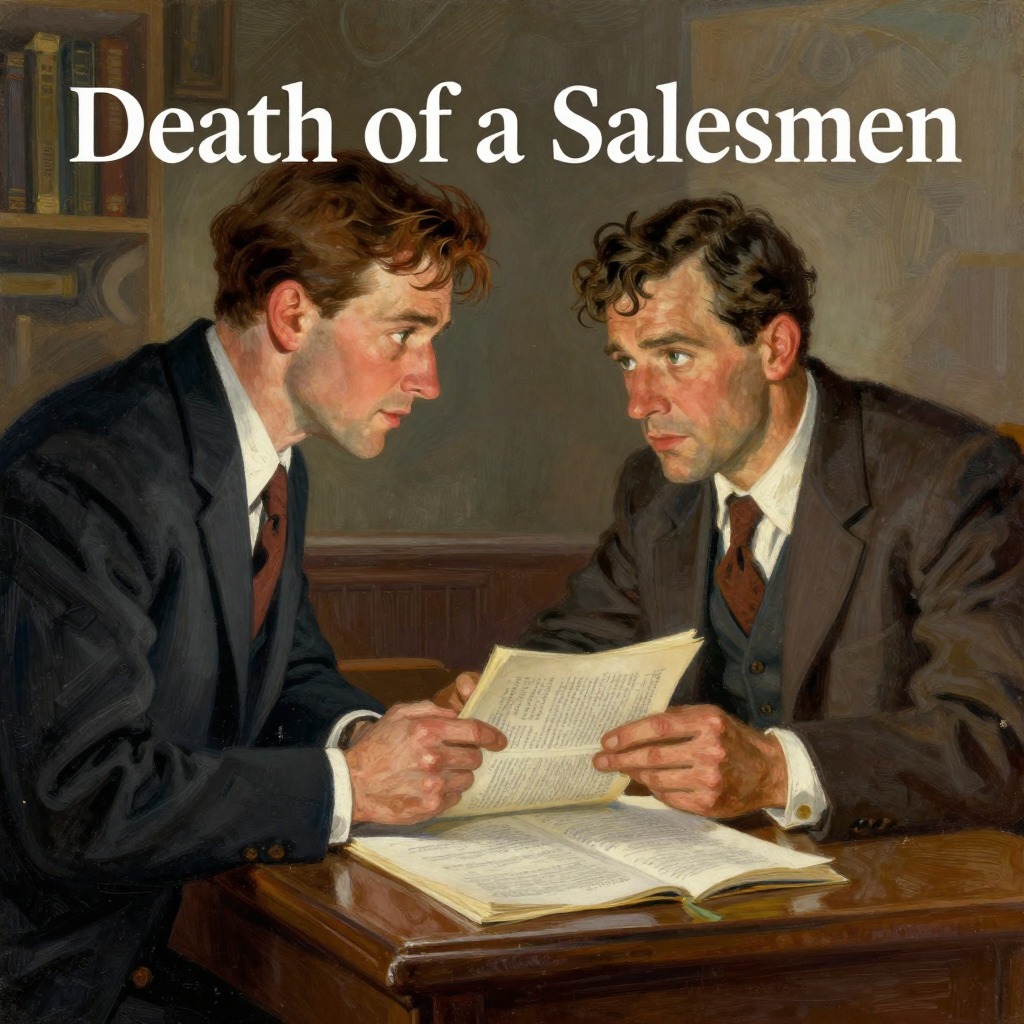
Biff Loman's Journey to Self-Knowledge
The arc of Biff Loman's painful realization of who he is, leading him to reject his father's false dreams and embrace his own identity.
Happy Loman's Unwavering Pursuit of the Dream
The arc of Happy Loman, who remains committed to the American Dream of success, wealth, and status, despite the emptiness it brings.
Linda Loman's Silent Suffering and Strength
The arc of Linda Loman, who supports her husband through his decline, bearing the burden of his delusions and his suicidal intent while maintaining her own dignity.
Uncle Ben's Mythic Influence
The role of Willy's brother Ben as a symbol of ruthless success and the path not taken, haunting Willy's imagination.
The Woman's Impact on Willy's Destiny
Examines the role of the unnamed woman in Willy's life, whose affair with him leads to the destruction of his relationship with Biff and deepens his guilt.
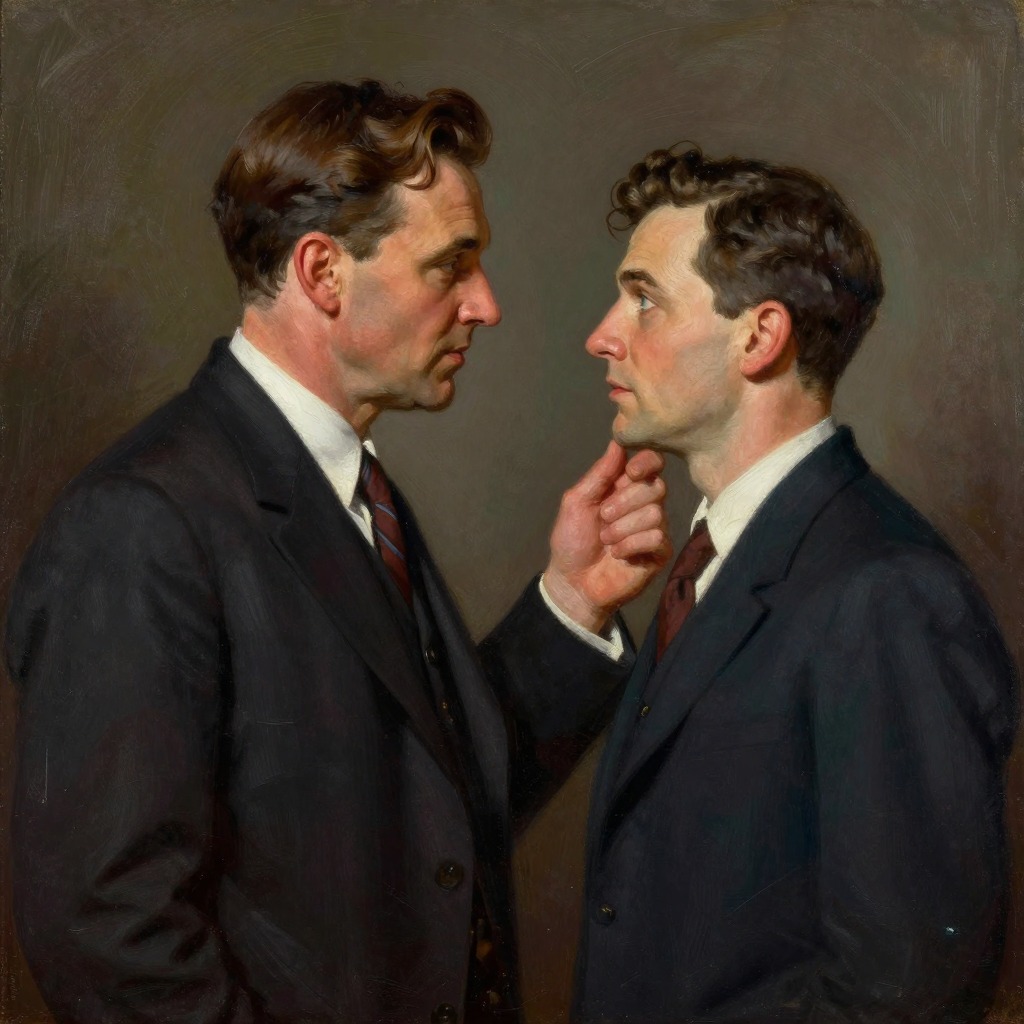
Father-Son Conflict: Willy vs Biff
The central conflict between Willy and Biff, rooted in betrayal, disillusionment, and the struggle for mutual understanding, escalating over fifteen years.
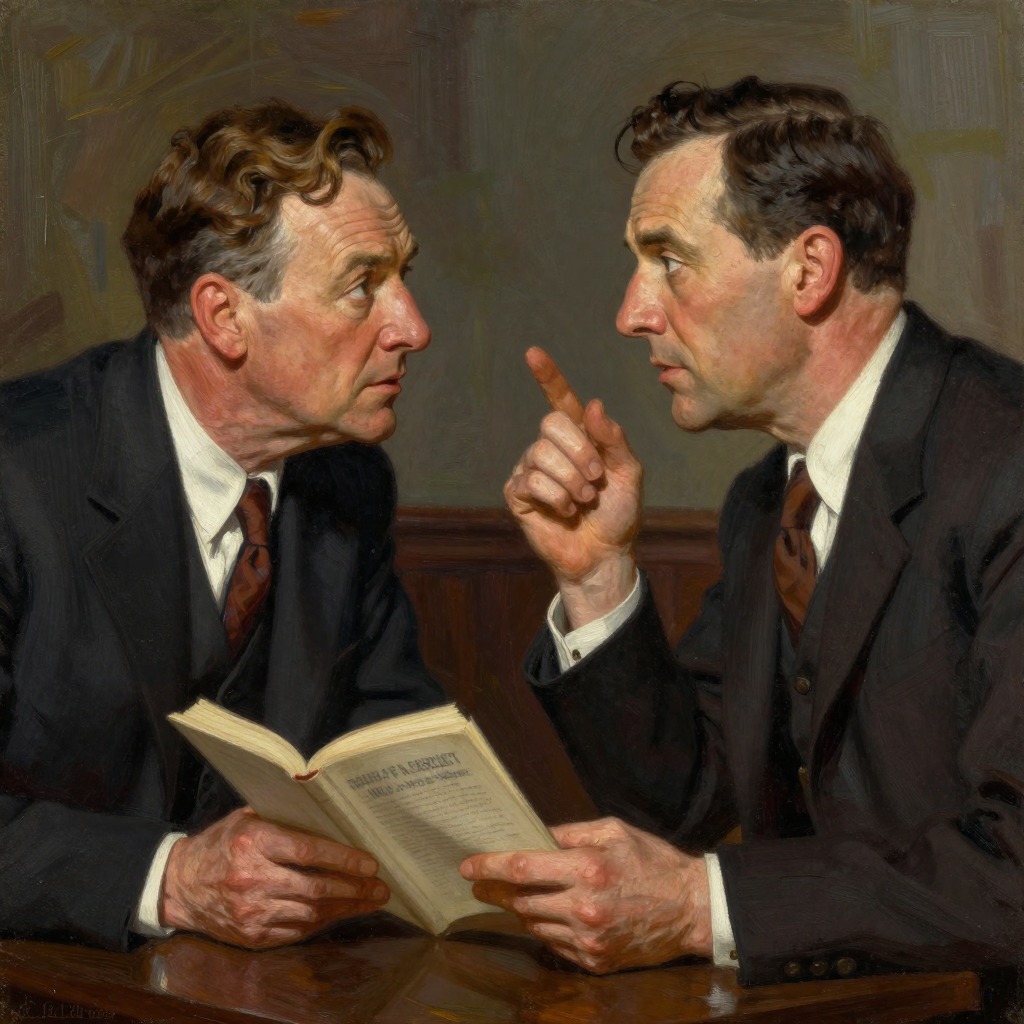
Economic Conflict: Willy vs Howard Wagner
The conflict between Willy's need for a secure job and Howard's cold business logic, representing the disposability of the aging worker in capitalism.
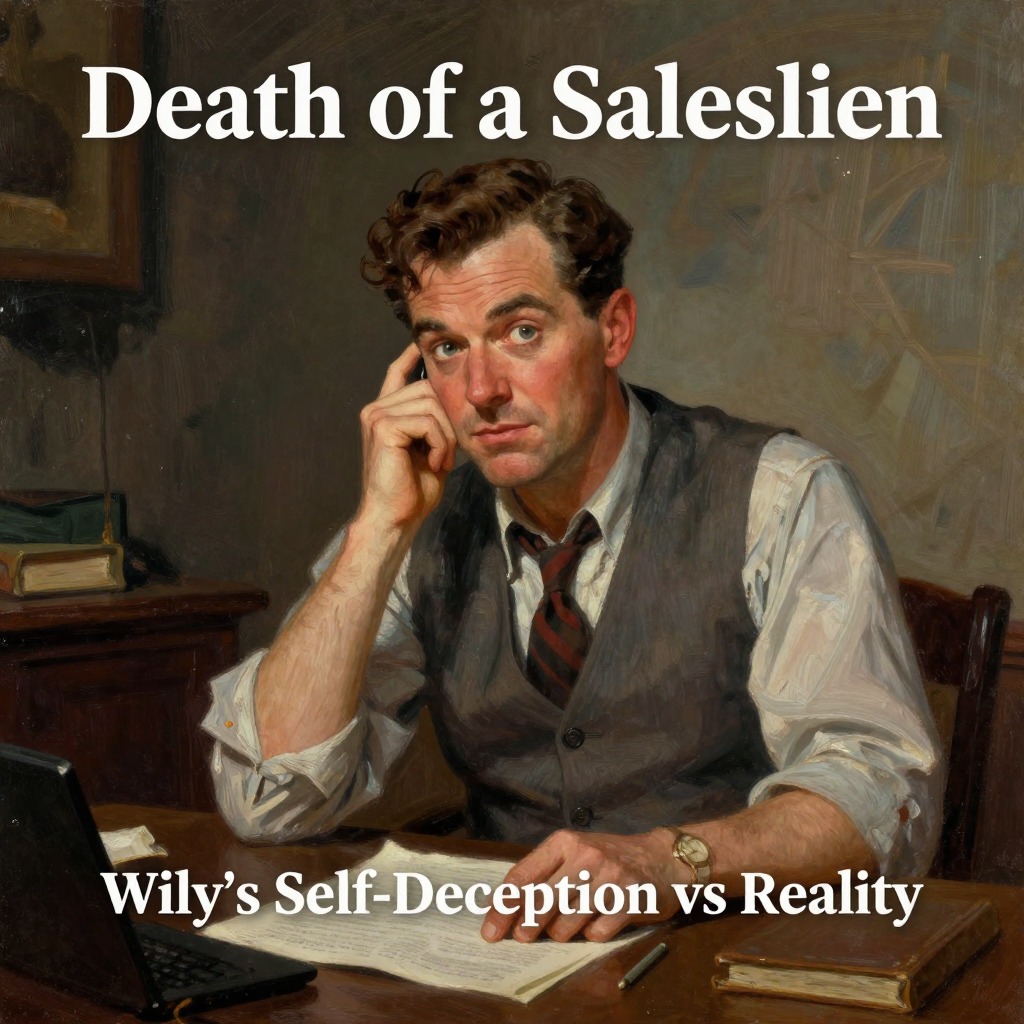
Internal Conflict: Willy's Self-Deception vs Reality
Willy's internal struggle between his dream of success and the crushing reality of his failure, leading to psychological fragmentation.
Generational Conflict: Biff vs Happy's Values
The conflict between the two Loman brothers, one who rejects the dream and one who embraces it, representing different responses to their father's legacy.
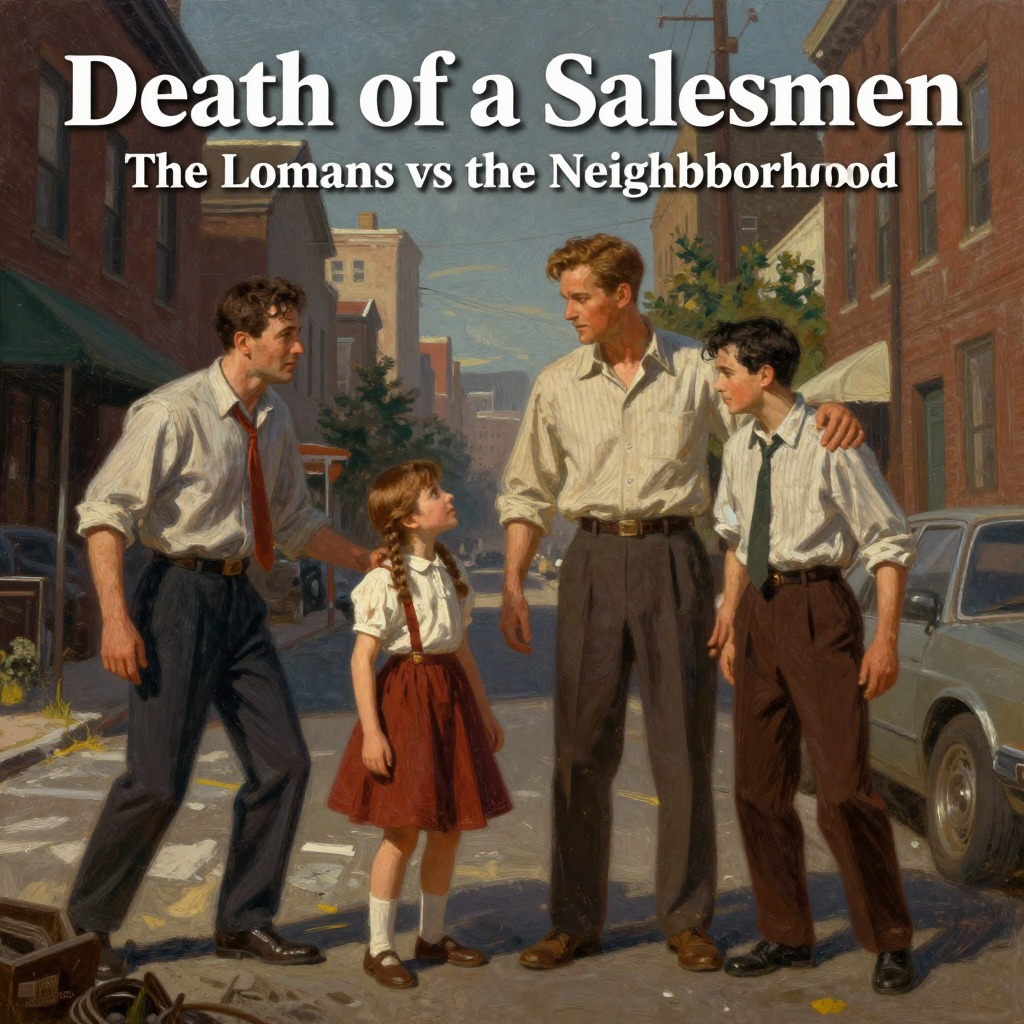
Social Conflict: The Lomans vs the Neighborhood
The conflict between the Loman family and the encroaching urban environment, symbolizing the loss of the pastoral dream and the pressure of modern society.
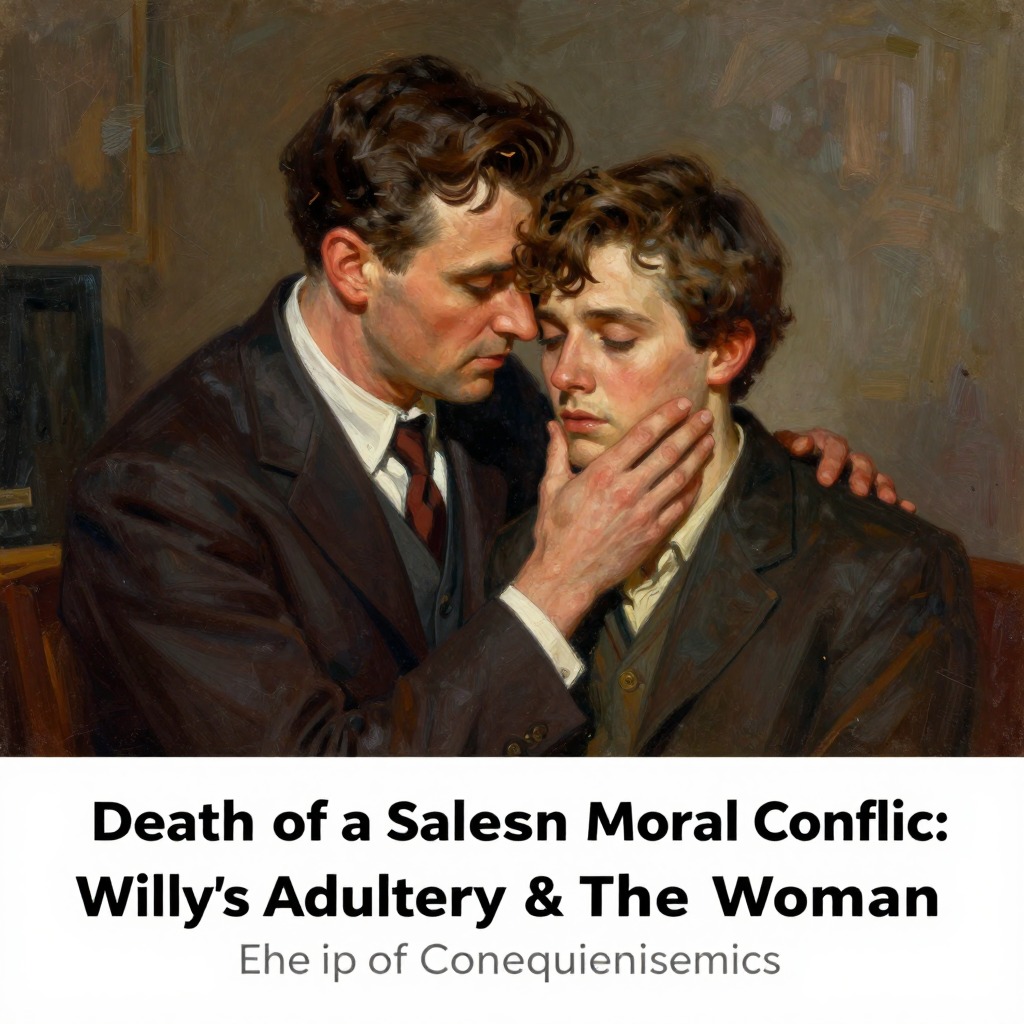
Moral Conflict: Willy's Adultery and Its Consequences
The moral conflict arising from Willy's affair with The Woman, which creates a pervasive guilt and poisons his relationship with his son.
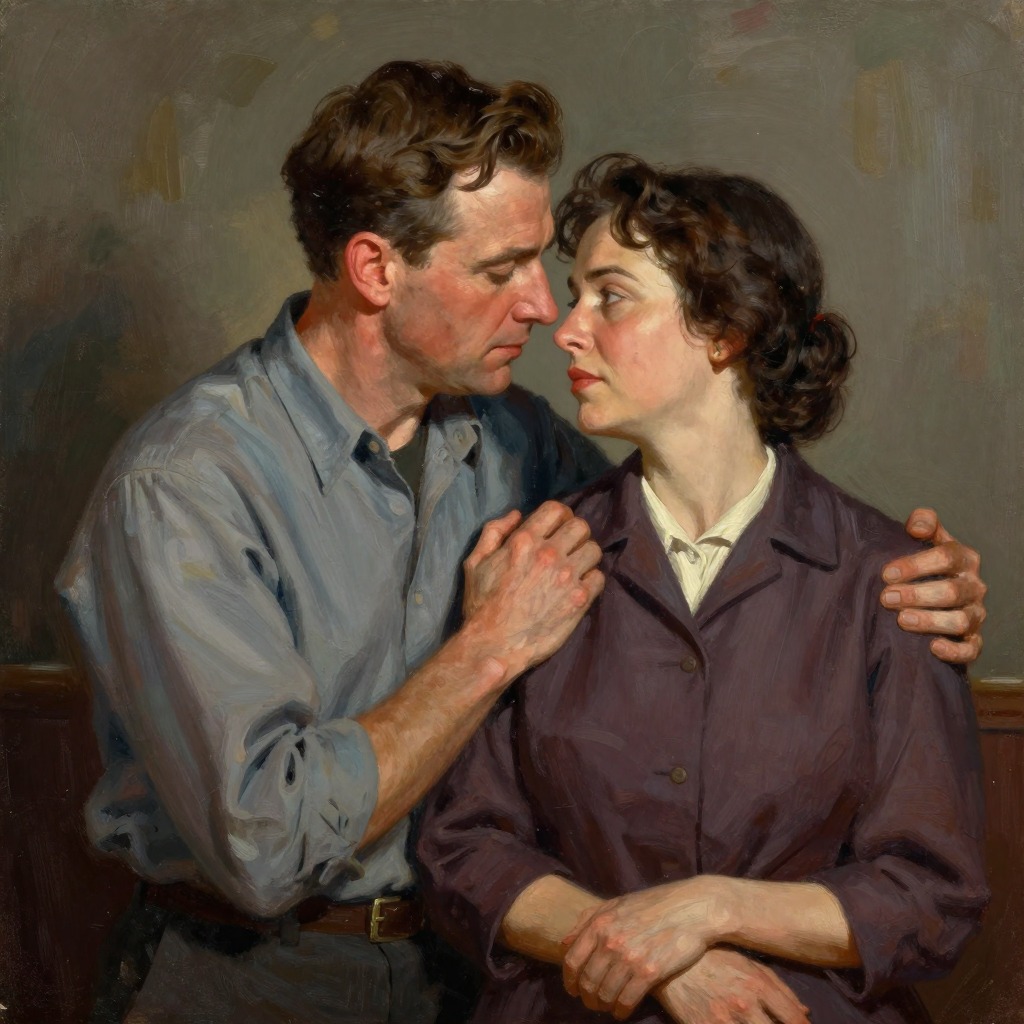
Willy and Linda's Deep but Flawed Partnership
The emotional bond between Willy and Linda, characterized by deep love, mutual dependency, and the strain of Willy's delusions and Linda's quiet suffering.
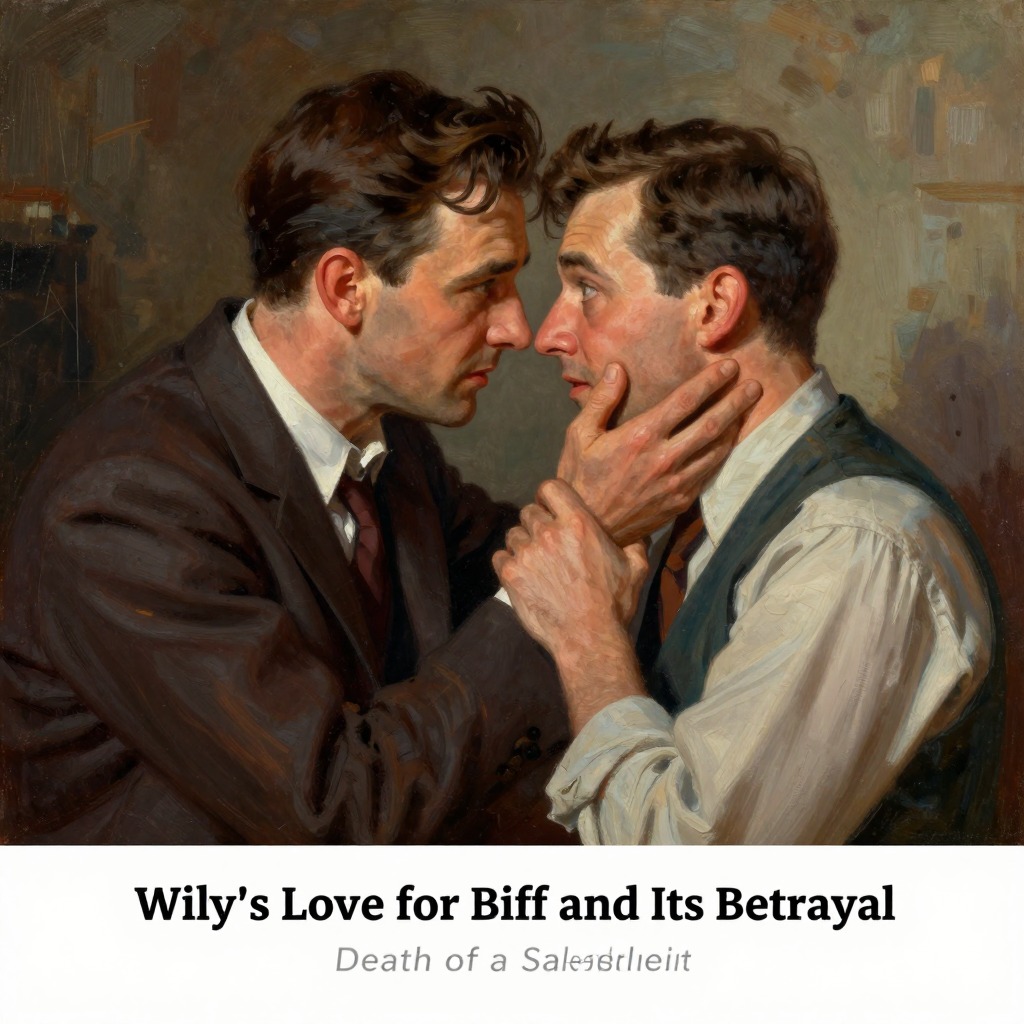
Willy's Love for Biff and Its Betrayal
The emotional bond between Willy and Biff, from idealization and shared dreams to betrayal and a final, painful reconciliation.
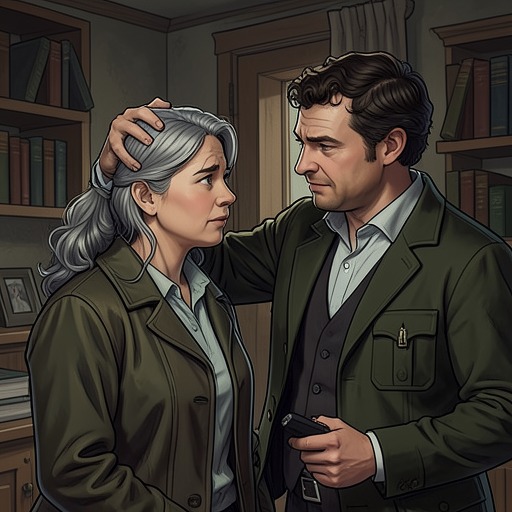
Biff's Love for His Mother Linda
The emotional bond between Biff and Linda, characterized by Biff's guilt and his desire to protect her, which drives his actions.
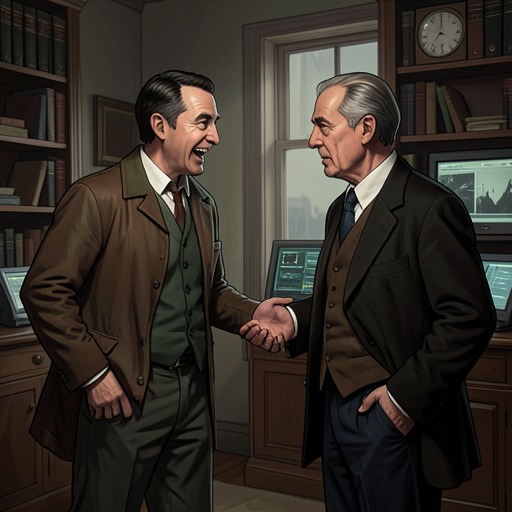
Happy's Need for Approval from Willy
The emotional bond between Happy and Willy, where Happy constantly seeks his father's approval but never feels he is enough.
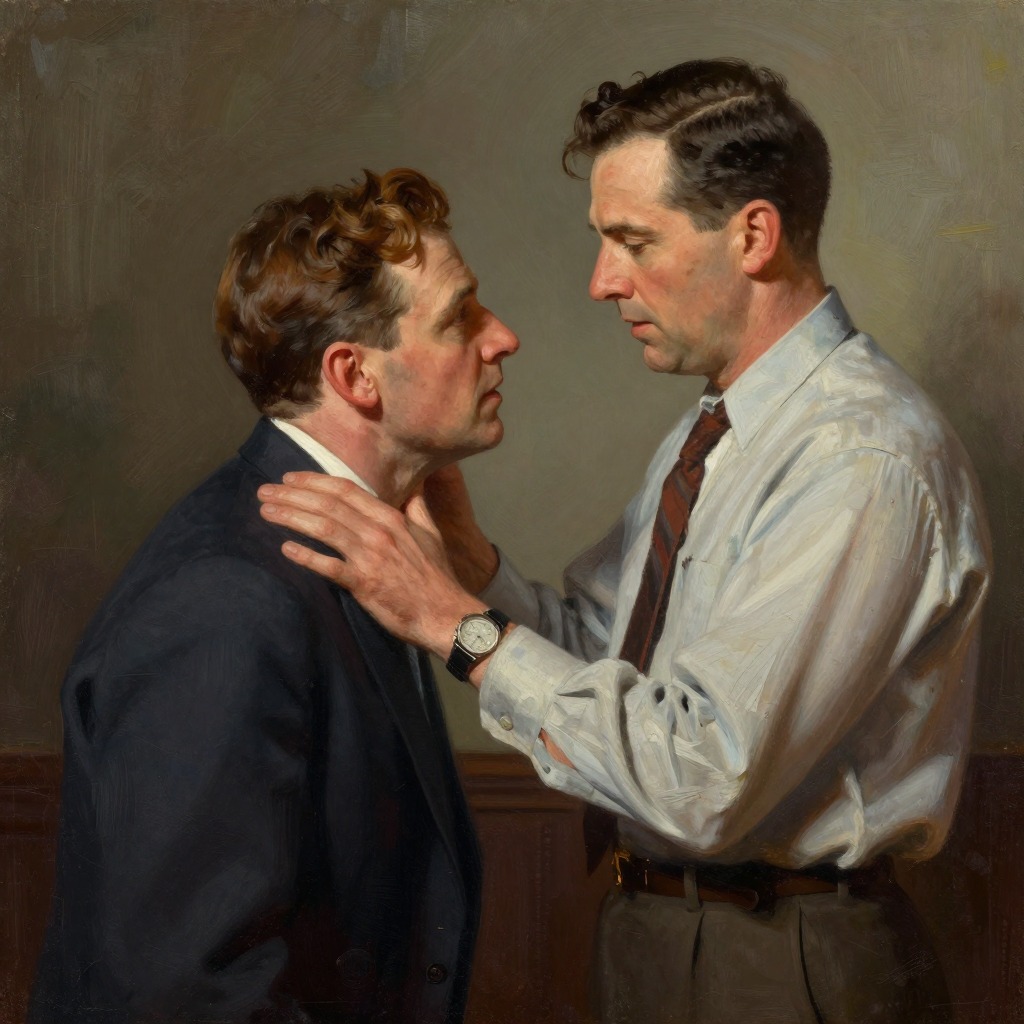
The Friendship Between Willy and Charley
The complex emotional bond between Willy and Charley, a friendship of contrasts, where Charley offers support despite Willy's envy and insults.
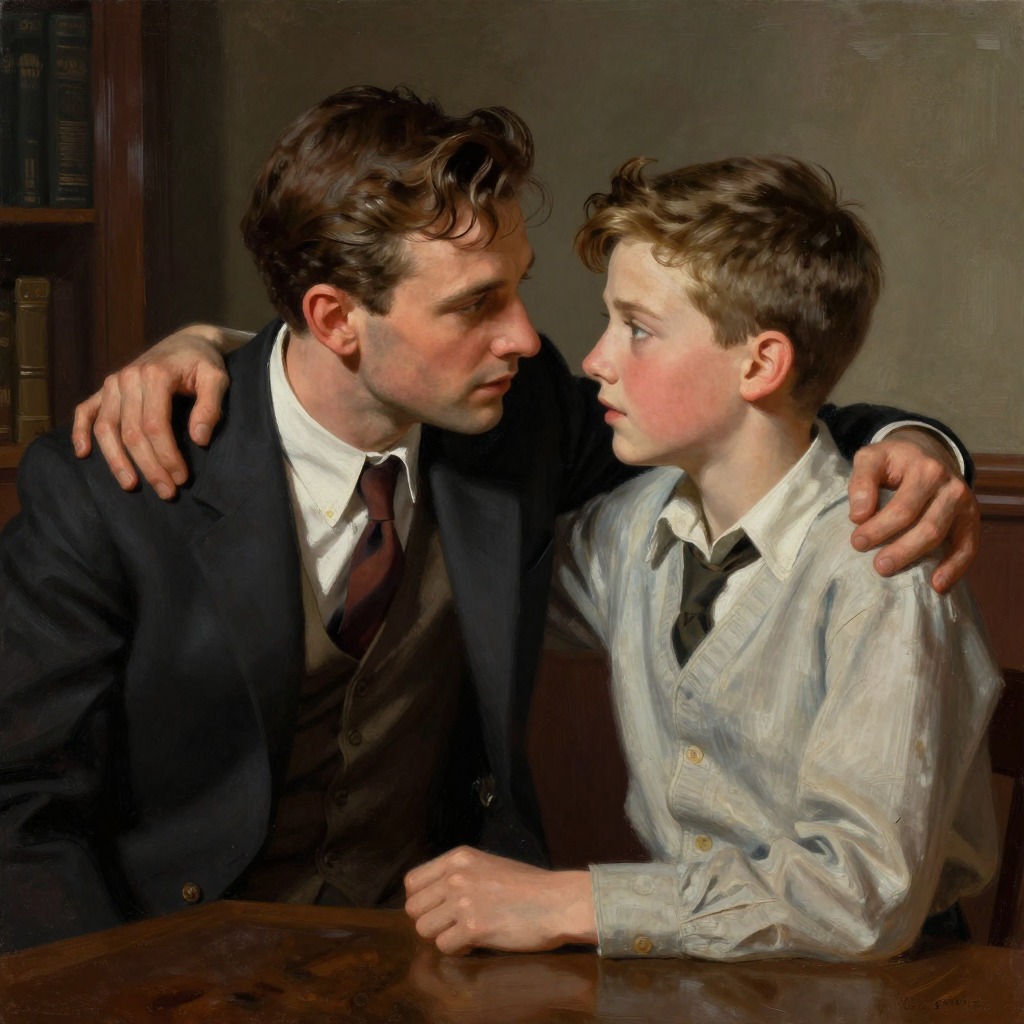
Biff's Childhood Friendship with Bernard
The emotional bond between Biff and Bernard, a friendship of contrasts where Bernard's loyalty remains despite Biff's taking advantage.
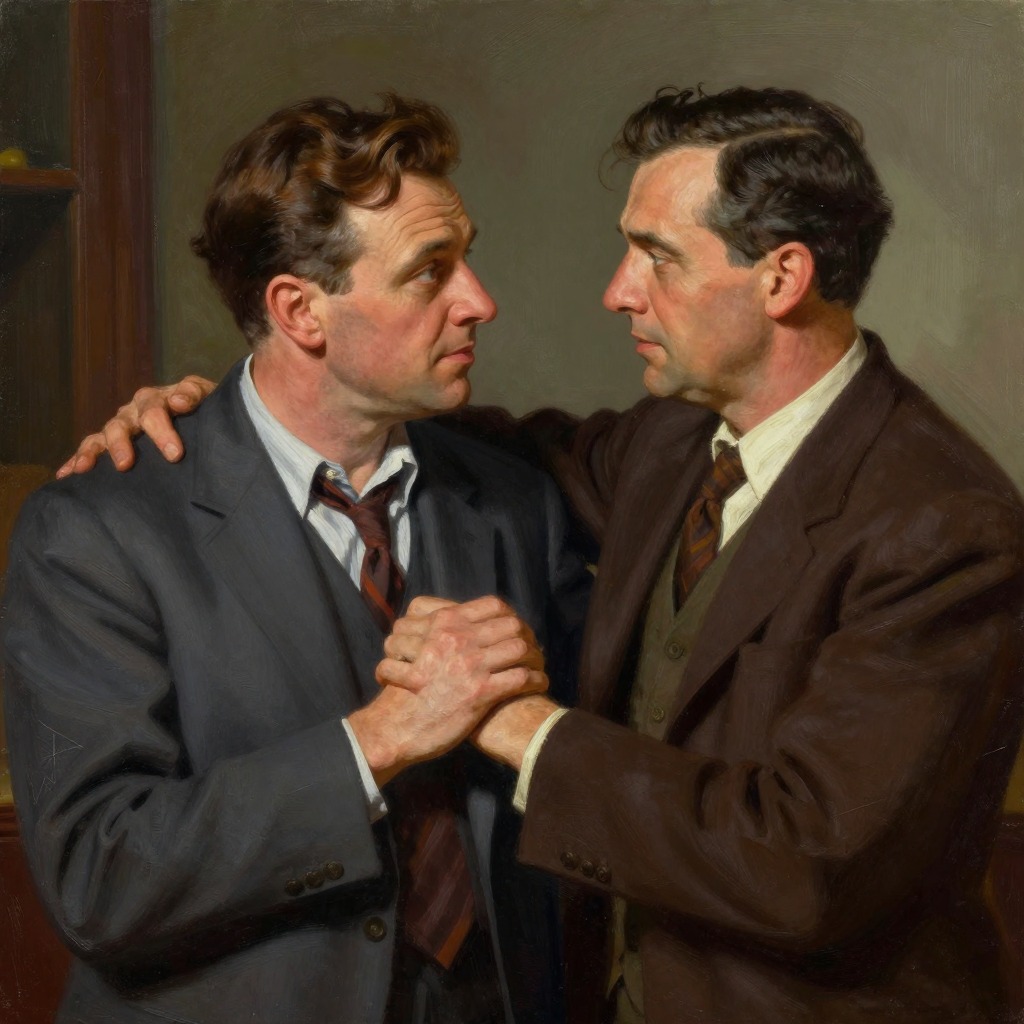
Willy's Idealized Bond with Uncle Ben
The emotional bond between Willy and his dead brother Ben, a fantasy of success and guidance that Willy uses to justify his decisions.
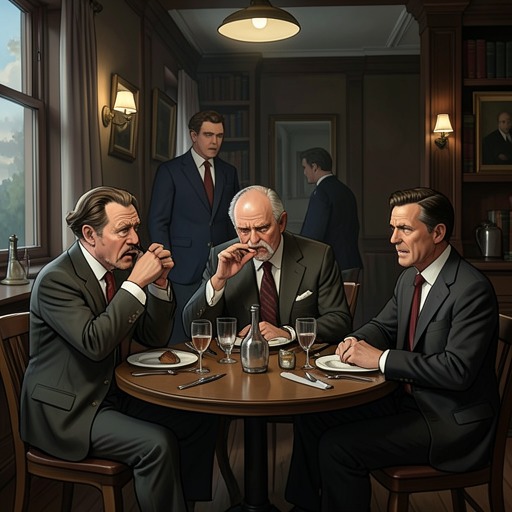
The Emotional Aftermath of the Restaurant Scene
The emotional fallout from the disastrous dinner, where Willy's breakdown and his sons' abandonment deepen the family's wounds and lead to the final confrontation.
The American Dream as a Destructive Force
The theme of the American Dream, which promises success but delivers only failure and despair, as exemplified by Willy Loman's life.
The Importance of Being Well-Liked
The theme of being well-liked as a central value in Willy's worldview, and how it leads to a superficial and ultimately destructive way of life.
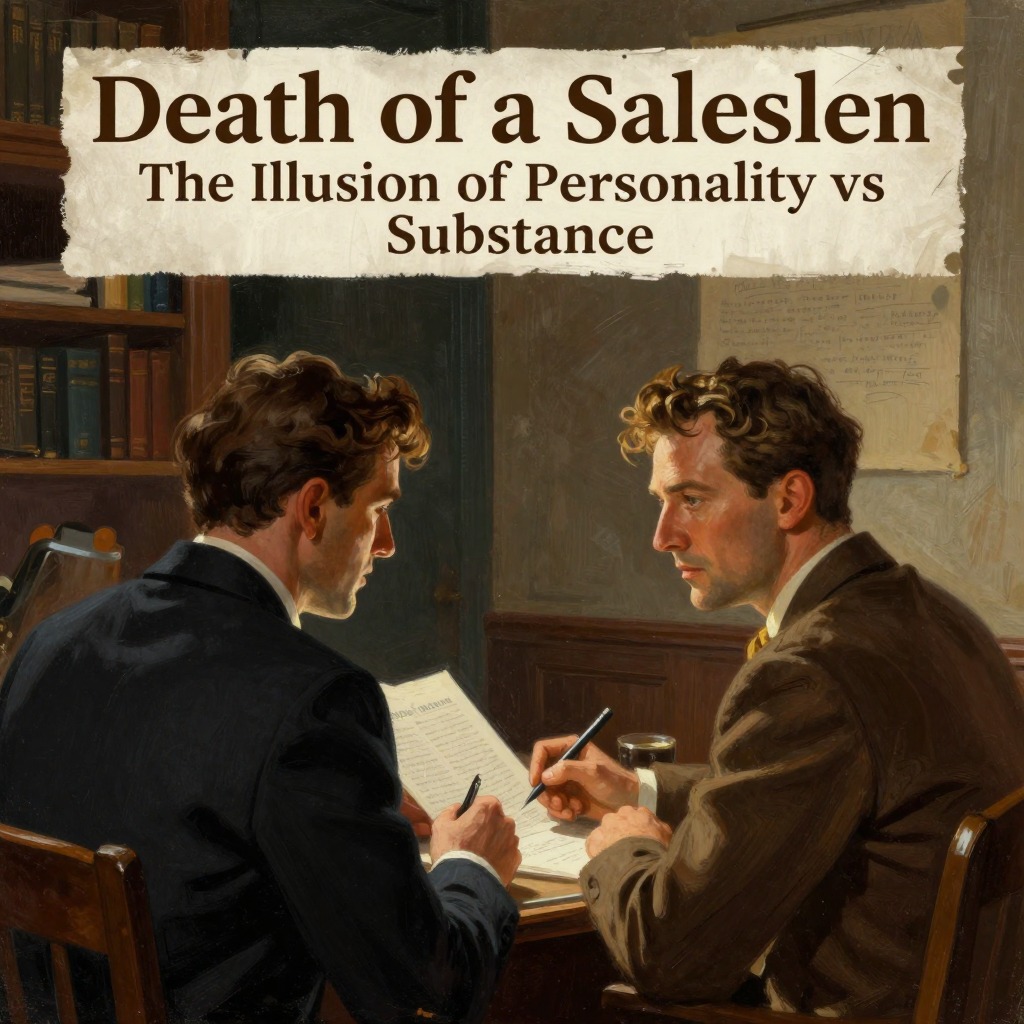
The Illusion of Personality vs Substance
The theme that personality and charm are valued over real skills and hard work, and how this false value system leads to failure.
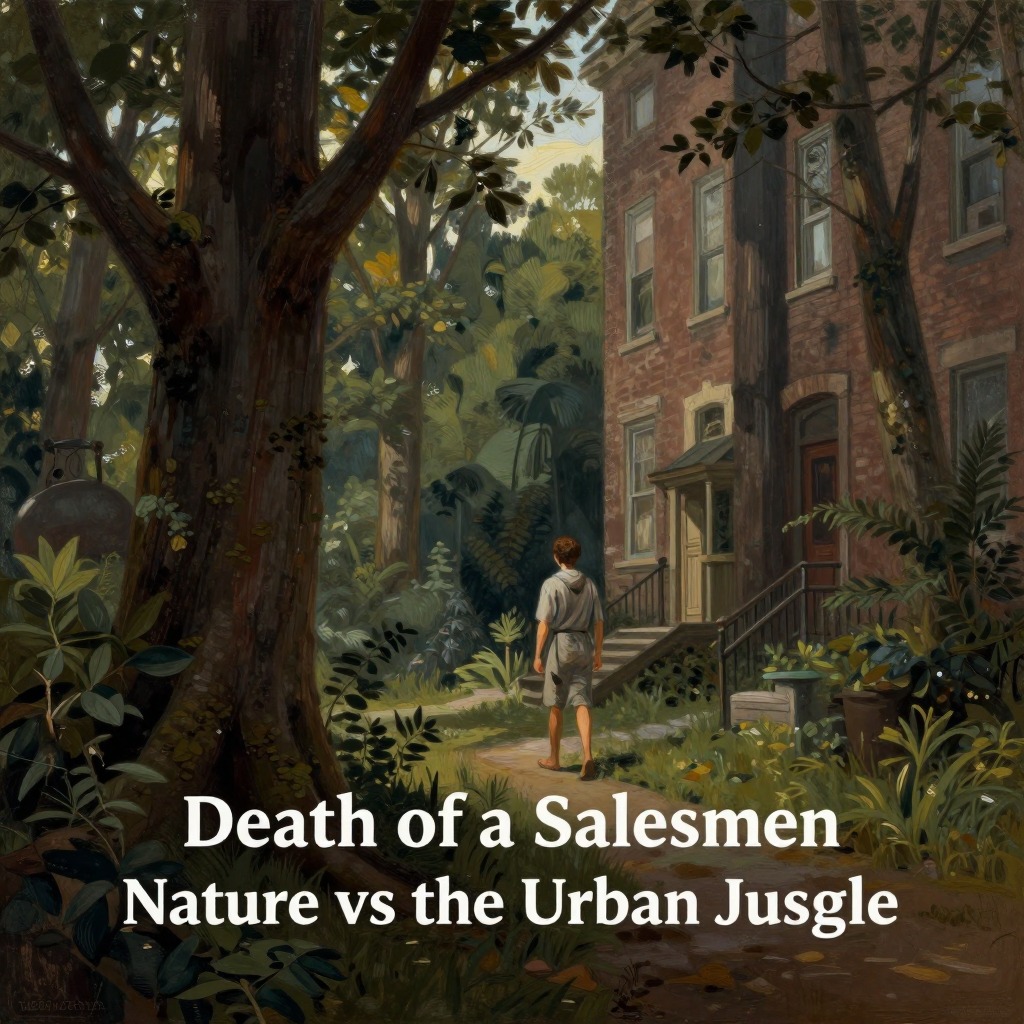
Nature vs the Urban Jungle
The theme of the conflict between the natural world, representing freedom and authenticity, and the urban environment, representing confinement and false values.
Denial and Self-Deception
The theme of denial as a survival mechanism for Willy and his family, and how it ultimately leads to tragedy.
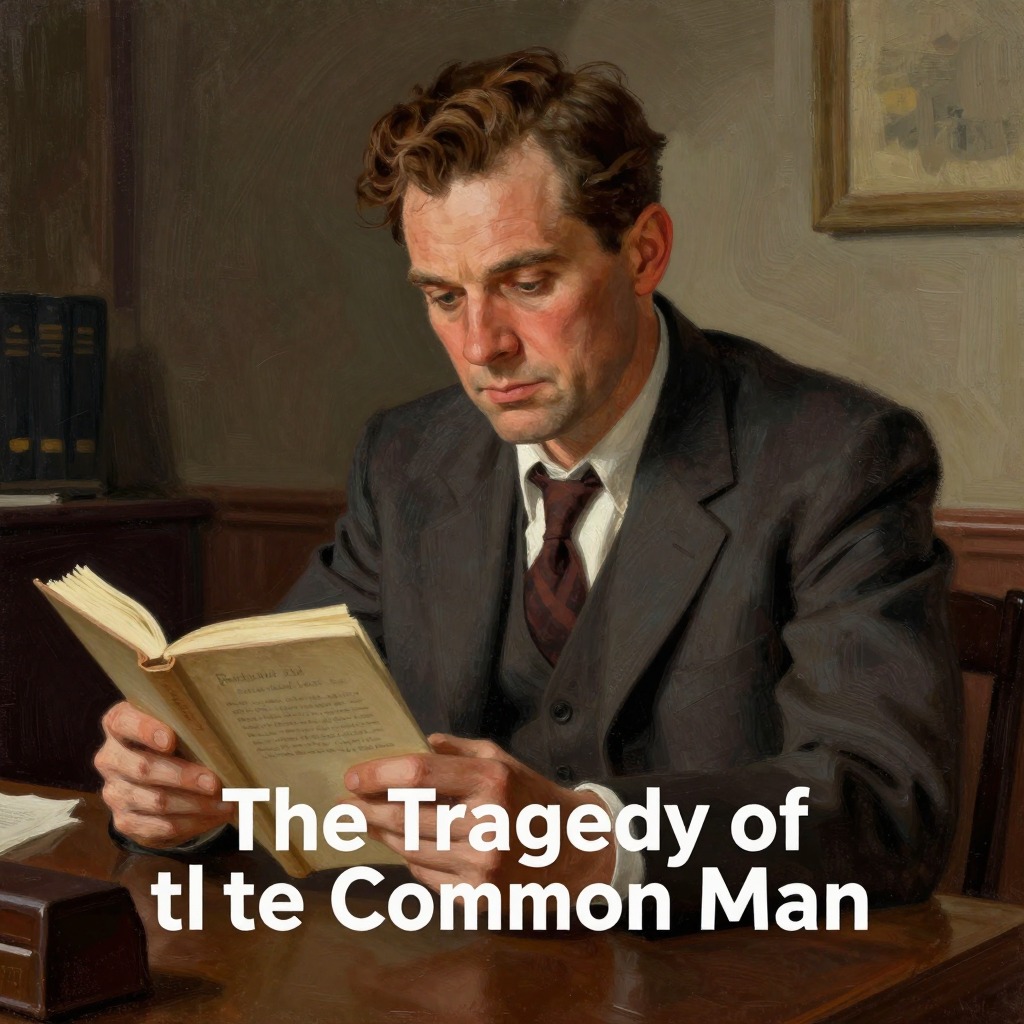
The Tragedy of the Common Man
The theme that the life and death of an ordinary man like Willy Loman can be tragic, deserving of attention and compassion.
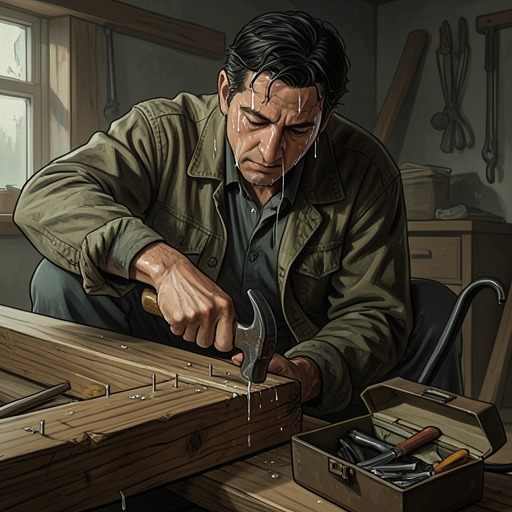
The Value of Manual Labor and Craftsmanship
The theme that working with one's hands, as opposed to selling, is presented as a more authentic and fulfilling way of life.
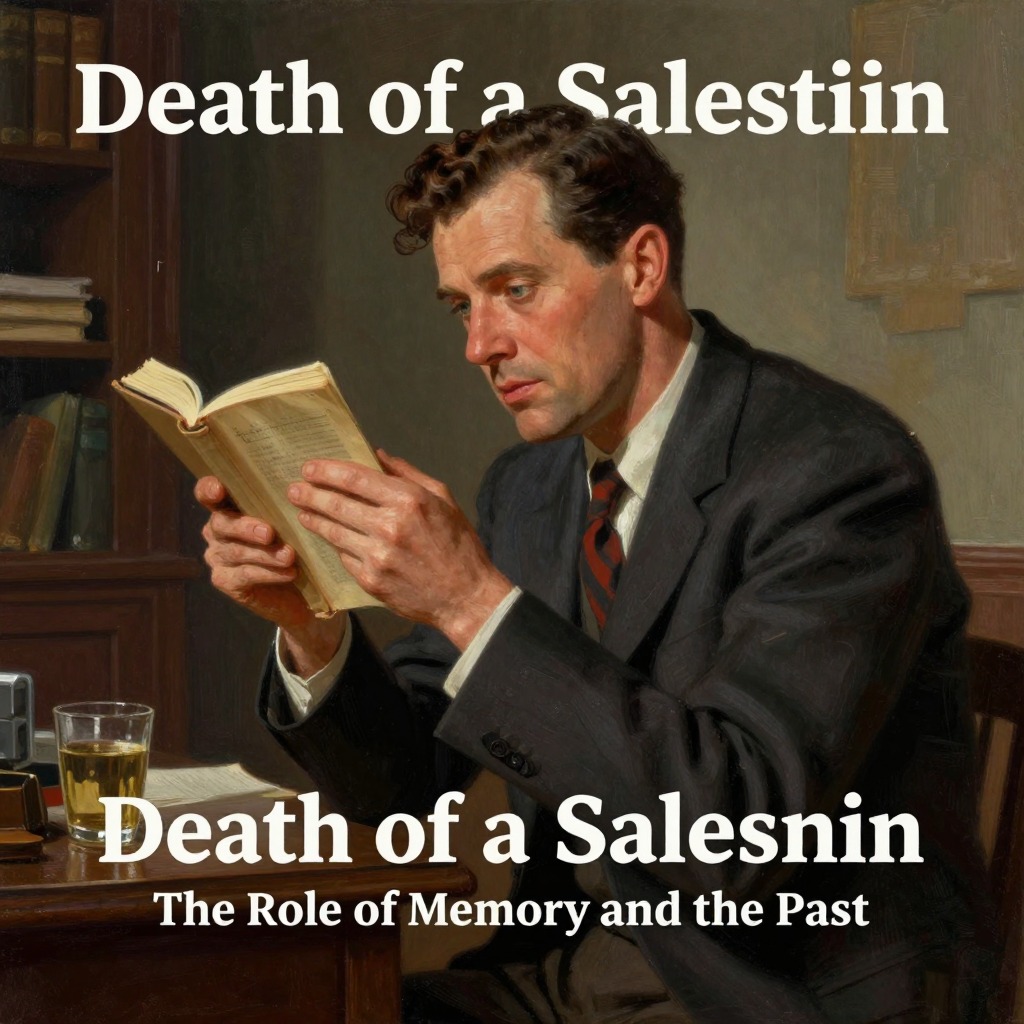
The Role of Memory and the Past
The theme of memory as a shaping force in the present, as Willy's past intrudes on his current reality, both haunting and comforting him.