Parvati’s private meeting with Devdas after his father’s death
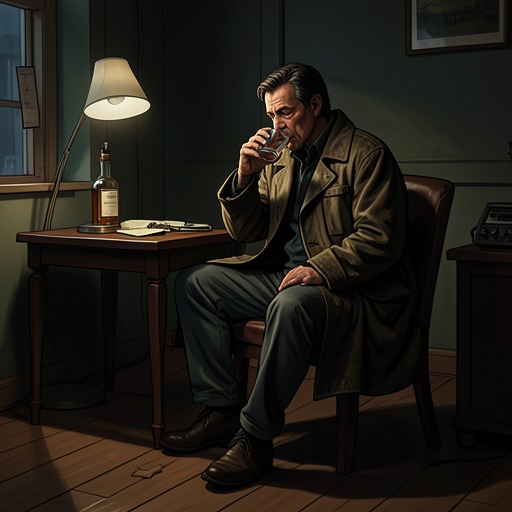
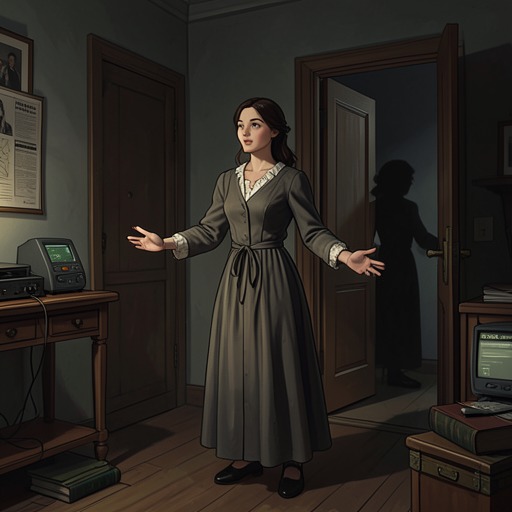
DevdasParvati Chakravarty’s private meeting with Devdas Mukherjee after his father’s death brings his decline into the open and turns her concern into a direct offer of care. She confronts his drinking, asks him to stop, and finally invites him to come home with her. Devdas will not promise to give up liquor, but he accepts the promise behind her offer: if caring for him will make her happy, he will come to her, even if it is the last thing he does.
Causes and Background
Parvati has returned after the death of Narayan Mukherjee, intending to stand beside Devdas in a difficult period. She has already heard hints of his condition in Manorama’s letters, but has not believed them. Dharmadas gives her a more alarming account: Devdas eats and sleeps little, spends his time drinking, and stays away for days. Dharmadas has heard that Devdas gave a woman jewellery worth many thousands of rupees. The report connects the drinking not just to a private habit but to a pattern of absence and reckless spending.
Dharmadas is frightened by what he sees in Devdas’s health and believes his days may be numbered if the decline continues. He asks Parvati to stop him, explaining that he cannot take the matter to Devdas’s parents or brother. His helplessness becomes physical: he strikes his head against a wall and says that at times he wants to die. Parvati, who has come back believing Devdas needs her, now feels that he is wasting away while she has been occupied with other people’s lives. She reproaches herself for not being there and resolves to speak to him.
The Private Meeting
A little before dusk, Parvati enters Devdas’s room. He is sitting on the bed studying accounts. She closes and bolts the door, then sits on the floor. Devdas looks at her with a smile, though his face is sad and calm, and asks whether she would be able to bear it if he dragged her name through the mud. His remark leaves her pained; although she has arrived with much to say, she finds herself unable to speak when she is near him.
Parvati eventually asks why he began drinking and then presses the distinction between trying liquor and making it a habit. Devdas answers lightly that drinking does not require much practice. The levity does not resolve her concern; it makes her request more explicit. After a long silence, she asks him to promise never to touch liquor again. Devdas says he cannot, and turns the demand back toward her: could she promise never to think of him again? The exchange reveals the unequal terms of their attachment. She asks for a change in his conduct; he answers by making the persistence of her love the measure of what she asks.
As dusk approaches, a conch sounds outside. Devdas notices the lateness and tells Parvati to go home. The conversation then reaches its sharpest test: he asks whether she can run away with him that night. Parvati says it is impossible. Devdas moves away on the bed and orders her to open the door. The scene does not convert their intimacy into an escape from the constraints around them; his challenge ends instead in a demand that she leave.
The Offer to Bring Him Home
The meeting turns again when Parvati tells Devdas that she feels as though she is dying because she has never been able to care for him, though she always wanted to. In the dark, he wipes his eyes and says there is still time. She asks him to come home with her because no one there is looking after him. The invitation makes care concrete: she is not only asking him to stop drinking but offering him a place where she can tend to him.
Devdas asks whether she would take real care of him if he went to her home. Parvati says that she has always wanted to do so and prays that her wish may come true, adding that she would not mind dying afterward. Devdas tries to wipe away his tears and agrees. When she asks him to swear, he aims his reply somewhere at her feet and promises not to forget what he has said: if it makes her happy to care for him, he will come, even if it is the last thing he does. The agreement is heartfelt but conditional in its wording; it is a promise to come, not a promise to stop drinking.
Consequences and Significance
The encounter leaves the central danger unresolved. Parvati has made the request Dharmadas hoped she would make, but Devdas does not commit to sobriety, and the meeting offers no evidence that his drinking has stopped. What changes is that he acknowledges her wish to care for him and gives her a promise of return. In that limited assent, the scene holds together intimacy and failure: he accepts the care she longs to give, while refusing the change she believes could save him.
The meeting also makes Parvati’s concern an act with personal risk and emotional cost. She enters his room privately, closes the door, and speaks despite the shame and distress attached to their closeness. Yet neither her proposal to run away nor her invitation to come home produces a simple escape. The first is rejected as impossible; the second is accepted only as a promise whose fulfilment remains uncertain. The scene’s decisive turn is therefore not Devdas’s recovery, but the fragile commitment that he will come to Parvati if her care is what he wants.