Tel Aviv
JudasTel Aviv is both a remembered destination and a point on the road connecting the novel’s family history to its wartime losses. In Miri’s account of a childhood trip there with her younger brother Shmuel Ash, the city becomes the setting for his earliest remembered expression of a question that later shapes his life: what gives existence meaning. It also figures in the account of Mija Wald’s death, on the Tel Aviv–Jerusalem road in 1948.
A childhood trip remembered
When Shmuel was eleven and Miri was sixteen, their parents sent the siblings to spend a day in Tel Aviv. Their father encouraged the trip, describing Haifa as a sleepy town by comparison and suggesting that they could stay overnight with their aunt if they missed the last bus. The family could afford the outing at the time, before their father’s business troubles ended the financial support that later sustained Shmuel’s studies.
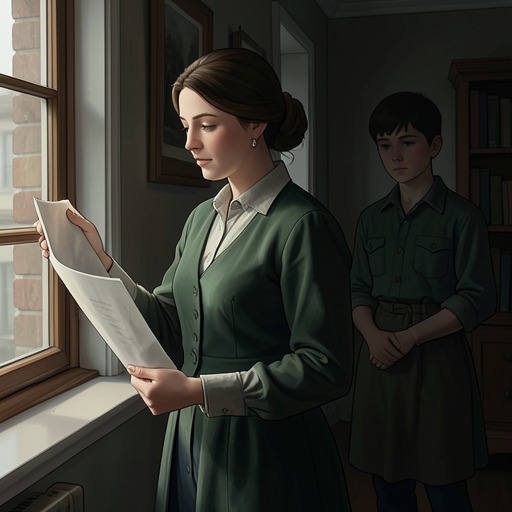
The journey became a portrait of the difference between the siblings. Miri remembers Shmuel following her from Hadar HaCarmel to the station in khaki shorts and sandals, with a pocketknife at his belt and a sun hat their mother had insisted he wear. He walked beside the wall, quiet and absorbed, and left his choices to Miri: whether to travel by bus or train, what to do in Tel Aviv, and where to begin. They went by train, wandered the streets, drank soda, ate ice cream, and entered a French black-and-white film after it had already begun. They returned to Haifa well before the last bus rather than staying with their aunt.
The question of meaning
Miri’s recollection narrows to a single exchange. When she asked Shmuel what he wanted, he answered that he wanted to find out what it all meant. She remembers that as their only substantial conversation that day; the ordinary details of the outing have largely fallen away, while his question remains. In her later letter, she connects that early search to his adult withdrawal, urging him to stop pursuing a truth she considers unattainable and to begin living his life.
The childhood memory thus gives Tel Aviv a significance beyond the excursion itself. For Miri, it marks the early appearance of Shmuel’s inwardness: even among the city’s possible distractions, he does not choose between the zoo, the beach, a boat trip, or the harbor. Instead, he turns to a technical lecture about Switzerland’s reserve-mobilization system, then returns to his central question. The remembered city holds both the siblings’ shared day and the beginning of the distance Miri perceives between them.
The road to Jerusalem
Tel Aviv also appears in a different family recollection, as one end of the road on which Mija Wald died during the fighting at Bab al-Wad on April 2, 1948. Gershom Wald identifies the place as the Tel Aviv–Jerusalem road while speaking of his son, whom he says he raised alone after Mija’s mother died. He describes Mija not only as his son but as his closest friend, recalling their ability to talk for hours or sit together in silence.
The contrast between the two references gives the city a quiet structural role. In Miri’s memory, Tel Aviv is the destination of a childhood outing and the setting for Shmuel’s question about meaning; in Gershom’s account, it names the direction of a road bound to Mija’s death. The novel makes the same place part of both an ordinary family memory and the history of a loss that continues to shape the surviving characters.