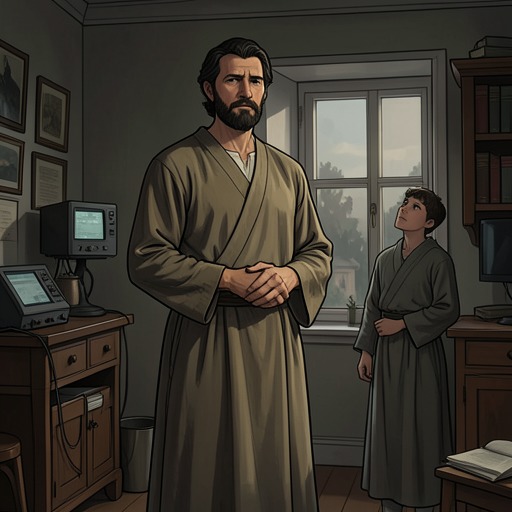
Constance
LongingConstance is presented as both the birthplace of Henry Suso and the setting of his early Dominican life. Its significance in the account comes from this connection to Suso’s beginnings and from the community’s later departure during a conflict over papal authority.
Setting and Early Life
The book places Constance in the German part of the Holy Roman Empire and gives Suso’s birth there as around 1295. At thirteen, he entered the Dominican Order. The account notes that he was very young, but his parents had made a substantial gift to the order, which accepted him. Five years later, an experience in a choir stall helped lead him toward a deeper religious life.
Constance and Suso’s Dominican Career
After studying philosophy and theology in Strasbourg and Cologne, Suso returned to his home convent and was appointed a lector, or teacher. The account connects this stage of his career to his use of Meister Eckhart’s ideas in teaching: during proceedings of heresy against Eckhart, Suso was relieved of his position. Around 1329, while the controversy continued, he wrote The Book of Truth to defend Eckhart, who had died by then.
Departure and Historical Context
Suso and his Dominican brothers eventually had to leave Constance because they supported Pope John XXII in his dispute with Louis the Bavarian, the Emperor. Louis opposed the tradition that the pope had to approve an emperor’s election before he could exercise his duties, seeking freedom from papal influence. The community moved to Dissenhofen in 1343. For Suso, leaving Constance marked a transition from his home convent to itinerant preaching and confession across Germany and the Netherlands.