Erfurt
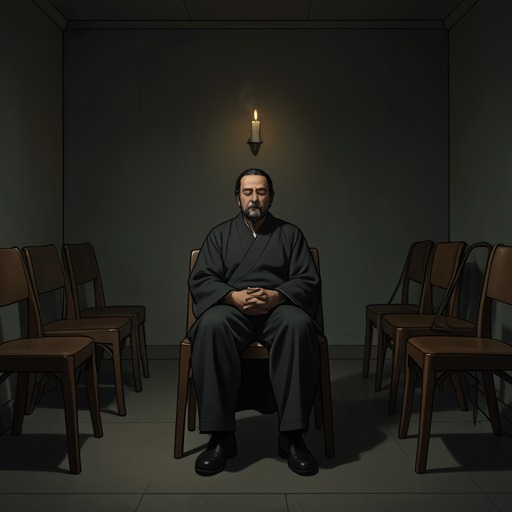
LongingErfurt was a formative and recurring setting in Meister Eckhart’s Dominican life. Its convent was where he entered the Dominican Order as a young man; later, it became the base for his first recorded leadership role and a point of return as his responsibilities expanded across the province of Saxonia.
Entry into Dominican Life
Eckhart was German, but the precise date of his birth is unknown. Around the age of eighteen, in the mid-to-late 1270s, he entered the Dominican Order at its convent in Erfurt. The order placed strong emphasis on intellectual formation and orthodox doctrine: its Constitutions called for unceasing study, whether at home or on the road, by night or day. Erfurt therefore marks the beginning of Eckhart’s life within an institution that joined religious discipline to an intensive pursuit of learning.
His abilities led to further study at the Dominican studium generale in Cologne and later in Paris. Those stages carried him away from Erfurt, but did not end his connection to it. In 1294, he was called back to the city and became prior of the convent, while also holding an official position in the order. The return brought him from student formation into institutional leadership.
A Base for Leadership and Writing
Eckhart’s later return to Erfurt followed a period of teaching theology in Paris. After two years there, he was called back and appointed provincial, or overseer, of the Dominican province of Saxonia, which encompassed forty-seven Dominican houses. The account thus connects Erfurt not only with the convent where he began, but also with a stage of responsibility extending well beyond one religious house.
During this period, Eckhart wrote The Paradise of the Intelligent Soul. The work emphasized the power of intellect over the will and described the intellect as the temple of God. Its account of the mystic soul losing itself in the Godhead maintained a distinction between God and the soul: God remains God, and the soul remains the soul. The text’s association with his period of service after his return makes Erfurt part of the institutional setting around an important phase of his thought, though the account does not specify where he composed it.
Significance in Eckhart’s Career
Erfurt’s significance lies in the sequence of roles attached to it. The city’s Dominican convent received Eckhart when he entered the order; it later became the place where he served as prior and an official; and his return there preceded his appointment to oversee a province of forty-seven houses. The repeated movement between Erfurt and major centers of theological study shows that his career combined local religious leadership with broader academic and administrative responsibilities.
The evidence presents Erfurt through these institutional connections rather than as a detailed portrait of the city itself. Its importance is biographical: it anchors both Eckhart’s entry into Dominican life and a consequential return, when his authority widened from a single convent to the Saxonia province.