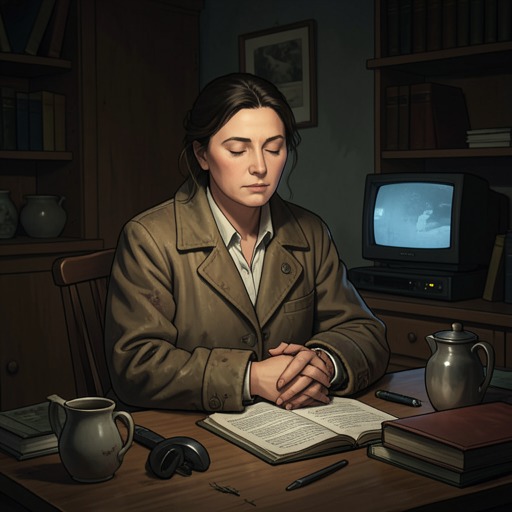
The Catholic Worker House, New York City
LongingThe Catholic Worker House, New York City, known as a House of Hospitality, joined material aid to a radical religious conviction: that welcoming people in need was a way of meeting Jesus Christ. Founded through the work of Dorothy Day and Peter Maurin, the house offered food and shelter in a poor neighborhood while embodying the Catholic Worker Movement’s aspiration to make society more just without resorting to violence. Its daily work was difficult and imperfect, but for Day that difficulty was inseparable from the meaning of hospitality.
Foundation and purpose
The house emerged from Day and Maurin’s efforts to put Catholic social teaching into action. Maurin, a French laborer and Christian radical, wanted to develop a program of social change based on Christian action. After an editor suggested that he contact Day, the two began working together. Their first major undertaking was The Catholic Worker, a newspaper launched in 1933 to address issues including unemployment, labor, racism, child labor, and poverty. The House of Hospitality became their second major effort: a place where people without adequate food or shelter could receive help rather than merely read about social problems.
The movement’s stated purpose was to realize the expressed and implied teaching of Jesus Christ in individuals and society. Day and Maurin sought substantial social change, but insisted that it should come through a pacifist approach, not violence or force. Day described the hoped-for society as one in which it would be easier for people to be good. The house therefore functioned both as direct assistance and as a practical challenge to conditions that left people needing assistance. It did not treat charitable service as a substitute for social criticism; the work of caring for people and the attempt to address injustice belonged together.
Daily work and its demands
People arrived at the door seeking a bowl of soup or a cup of coffee. They included unemployed and homeless people, as well as people living with addiction or mental illness. The need was greater than the available resources: money was chronically short, and there was not enough to cover expenses or feed everyone. Volunteers sometimes had to settle conflicts among residents and visitors. The house’s hospitality thus meant sustained work under strain, not an idealized scene of effortless fellowship.
Day herself chose to live in poverty, and the house was situated in a New York slum. The Catholic Worker’s account of its life emphasized working without salaries and relying on what the Lord provided. This voluntary poverty shaped the relationship between the people offering assistance and those receiving it: the staff did not present themselves as securely removed from need. Yet the demands could overwhelm Day at times. Occasionally she had to leave for a while; she nevertheless returned to the work. That pattern of exhaustion and renewed commitment makes the house’s persistence part of its history, rather than a claim that compassion made the work easy.
Spiritual meaning of hospitality
Day’s spirituality differed from accounts centered on visions or a felt mystical union. She understood the poor people who came to the house as the primary revelation of God’s presence. Her interpretation drew on the Matthew 25 ethic: Jesus Christ identifies himself with the hungry, the stranger, the sick, and others who need care. In Day’s view, service to another person was therefore not merely a good deed performed at a distance from religious life. It was a way of serving Christ, present in the person being welcomed.
That conviction also shaped how she understood difficult guests. Some people who sought help were demanding or difficult to care for, and the house’s work could not depend on finding every guest agreeable. Day held that divine presence might be concealed beneath circumstances that made it hard to recognize. Hospitality meant responding to need without requiring a visitor to appear holy, grateful, or easy to serve. The house gave this belief a concrete setting: food and shelter were offered amid scarcity, conflict, and the ordinary effort of keeping the work going.
Visitors and wider influence
The house was a place of encounter as well as aid. People who were not poor also came to speak with Day. In 1943, two sailors, brothers Joe and John F. Kennedy, spent a night talking with her about war and peace, humanity, and the state. Father Daniel Berrigan, an antiwar activist during the Vietnam era, was another visitor and sometimes celebrated Mass there. Such meetings brought questions of public life into a setting organized around immediate human needs, without displacing the house’s central work of feeding and sheltering people.
Catholic Worker houses eventually opened in other American cities, extending the movement beyond this particular location. Students volunteered at the houses, and the broader movement influenced public conversations about poverty and social justice. The original New York house remained significant not because it resolved the problems that brought people to its door, but because it made the movement’s principles tangible in a continuing place of welcome. For Day, the guest was not an interruption to spiritual life: care for that guest was where faith had to be practiced.