Wanda White
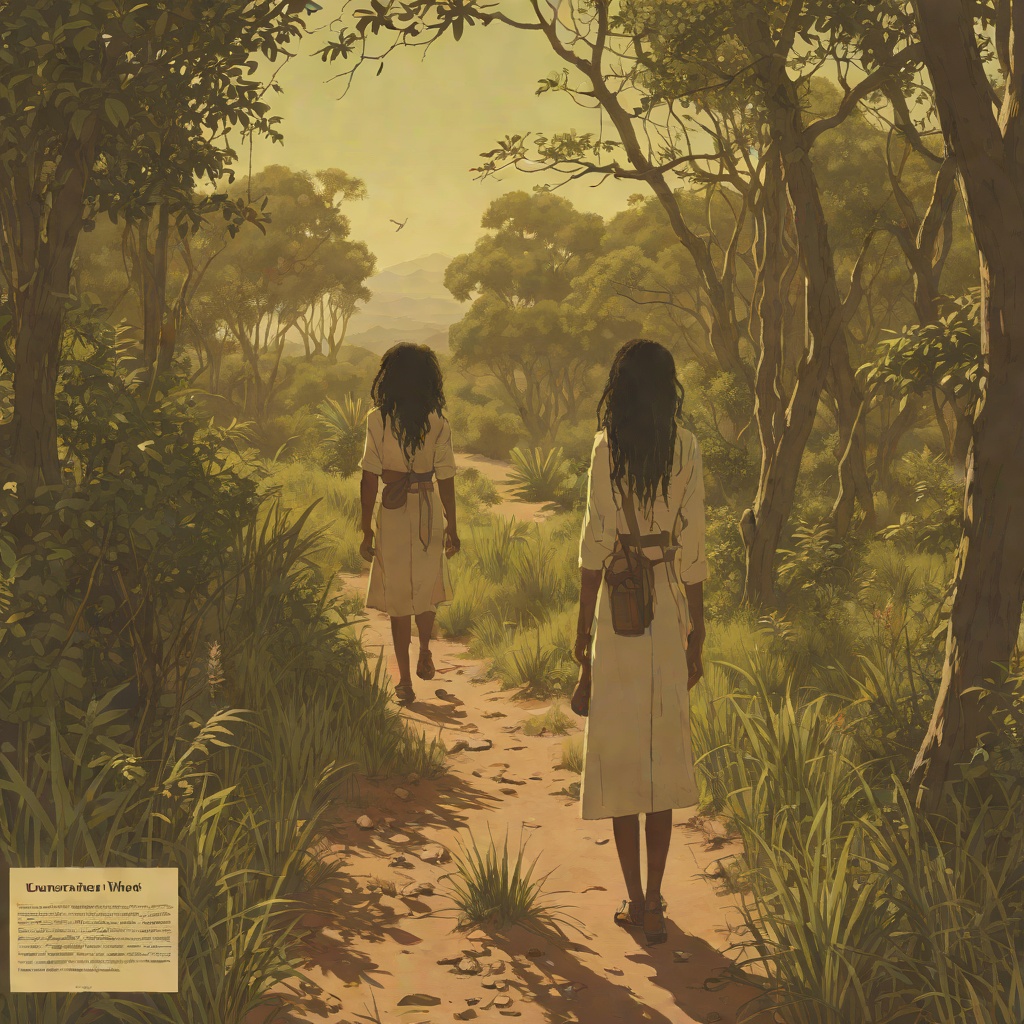
NightbitchWanda White is the author of A Field Guide to Magical Women: A Mythical Ethnography, a 1978 nonfiction work that the mother discovers in a stack of library books and that becomes the central text of her transformation. White is introduced through her own words in the book's foreword, where she describes her work as "mythical ethnography," a field her colleagues claim is not viable, and presents her research as "irrevocable data" gathered across all seven continents over her entire professional career. The book's stated purpose is practical: by understanding these creatures' habits, diets, and patterns, the reader too will be able to encounter them in the wild and experience their magic firsthand. White explains that she is "interested in the ways in which womanhood manifests on a mythical level" and is particularly drawn to "the experience of motherhood and how this complicates, deepens, or denies womanhood." She poses the questions that structure the mother's entire journey: "To what identities do women turn when those available to them fail? How do women expand their identities to encompass all parts of their beings? How might women turn to the natural world to express their deepest longings and most primal fantasies?"
Identity and Background
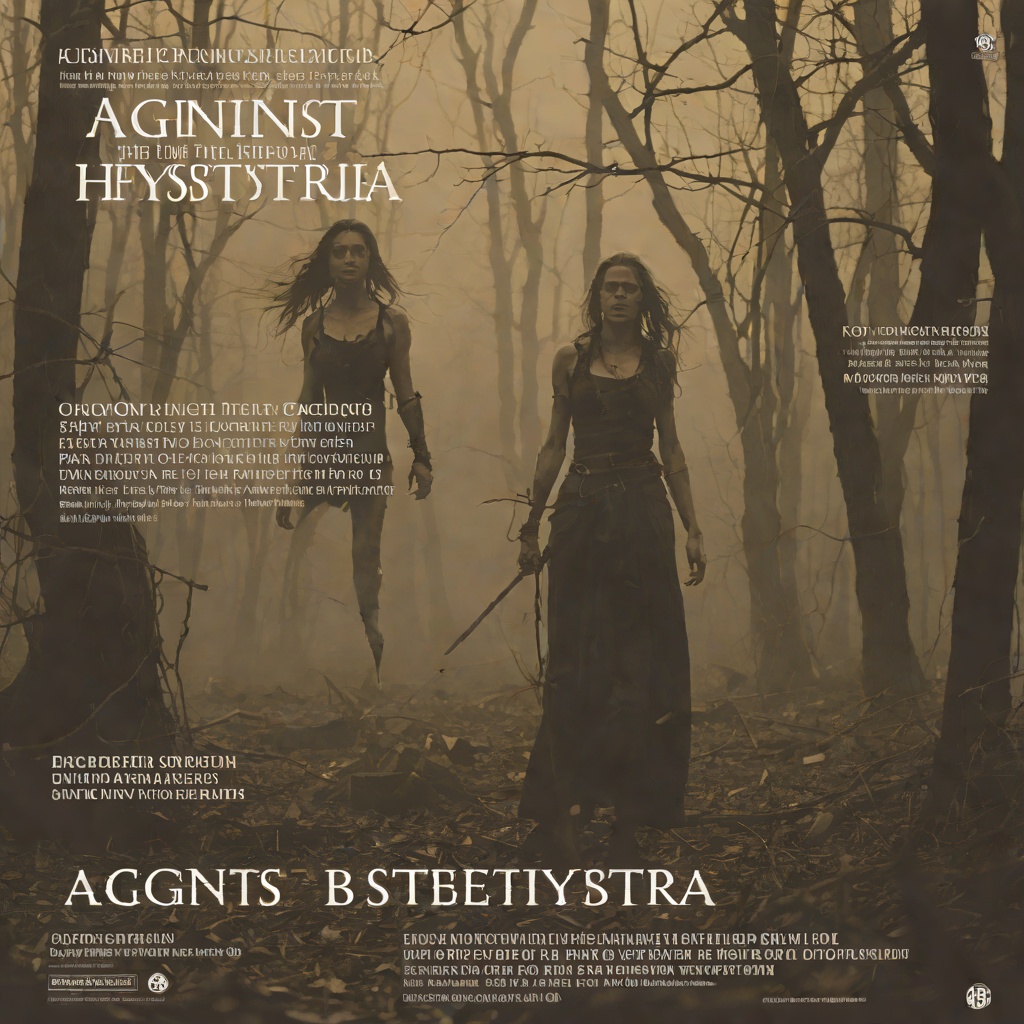
The only biographical information about White comes from a short note at the back of the Field Guide, which states that she holds a Ph.D. in biology and teaches at the University of Sacramento, having worked her whole life in the field of mythical ethnography. There is no author photo. The mother initially regards White's work with the demeanor of one observing a faith healing or a time-share sales presentation—with mild, bemused interest and good-natured skepticism—yet she keeps reading. The book's cover features fantastical creatures rendered in a style the mother associates with the 1970s, Nancy Drew, and B-movies, with lots of shadows and inky renderings and blurred edges. The mother notes the publication date of 1978 and confirms from the spine that the book is nonfiction, which seems curious to her.
The Letters to Wanda White
As the mother's transformation accelerates, she begins writing letters to White, addressing them "WW—" and sending them into the electronic ether. Her first letter asks whether White's research is "true" in a scientific and rational sense, or whether she is instead performing scholarship to make larger points about the limits of knowing and the failure of science to fully describe the world. She notes that she saw on the University of Sacramento's website that White is part of the Philosophy Department. In subsequent letters, she confesses that before her child she had never longed for a family or even to be married, instead fantasizing about the echoing rooms of a museum, expensive haircuts, trendy eyeglasses, a sun-washed studio, friends with opinions and good taste, trips to Europe, and summers at residencies. She writes that she has been "spiritually compelled" to write, and asks whether White has ever found a suburban American housewife or a mother in a small Midwestern town beset with a sort of animalesque quality—more hairy than usual, somewhat aggressive, prone to bouts of howling, not actually mentally ill but willing to embrace a certain doglike playfulness. She writes of her interest in longing, in longing so deep it threatens to splinter a person apart, and asks what longing unites all women, all mothers, wondering how anyone could long for something beyond their offspring. She reflects that having a child allows a woman to see how much infinite potential there is, to see infinity itself. The letters become closer to prayer than correspondence; the mother becomes quite religious during this time, rising each morning to see if there is a response and sitting down each night at her cluttered desk, moving the sewing machine aside, to write another missive to a person she believes in yet has no evidence of, save for the tattered book on her nightstand and a single contact page on a university website. She yearns to meet Wanda, to weep into her powdery-smelling chest and have this older woman stroke her hair as her own mother never had, to be babied inside the softness and warmth of a cardiganed embrace.
The Dog Park Sighting
At the dog park, Nightbitch searches the edges for anyone calling after a trio of dogs, but each figure is engaged with some other animal, chasing or being chased, hollering, whistling, throwing something or picking up poop. No one seems attached to the doggy trio except a lone figure at the farthest reach of the park, standing quite still, notebook in hand, watching the scene unfold. It is Wanda, exactly as Nightbitch imagined her to be: slim and lithe, with a cloak of silver hair, a wonderful ease about her, wearing a smart shirtdress and sensible shoes and a straw hat. Nightbitch squints to bring her into focus but she is so far away. Overcome with pure jubilation, Nightbitch begins to run toward the woman, arms outstretched, shouting, "Excuse me, are those your dogs? I'm trying to find the owner." She knows it is her. She just knows.
The Revelation
The novel ultimately reveals that "WANDA WHITE IS NOT a person. Wanda White is a place at which a person finally arrives." Nightbitch, this mother, stands behind the heavy velvet curtain, in darkness, smelling her own rosy musk, in anticipatory ecstasy just before she ascends to whatever is beyond that darkness and that stage—invincibility or air, something. The squeak and pull of the curtain ropes, a darkness, and then a small light; she smells every single person in the room. After her final stage performance, sales of the once-out-of-print A Field Guide to Magical Women skyrocket, though no one can track down Wanda White. When researched by reporters, the University of Sacramento proves to be a short-lived institution no longer in operation, and White herself is a persona that exists only as an online profile at a defunct school. White's function is thus revealed to be structural rather than biographical: she is the imagined destination of the mother's longing, the name given to the place where a woman finally arrives at her own transformation.