Boondocking
NomadlandBoondocking is camping in a vehicle away from the water, sewage, and electrical hookups of a paid RV site. In its stricter sense, it means parking in a remote, often wild place; the book distinguishes this from stealth parking or stealth camping in cities, where a vehicle dweller seeks a discreet place to stay overnight. The practice turns a vehicle into more than transport: it becomes shelter whose occupants must provide their own utilities and find places where remaining there is permitted, tolerated, or simply overlooked.
Definition and Practical Methods
Bob Wells’s CheapRVLiving.com presented boondocking as one way to live in a vehicle on a shoestring budget. Its guides covered choosing and outfitting a vehicle, finding seasonal work, eating well, and installing rooftop solar panels. Falling panel prices made solar power more accessible to low-budget travelers, helping them run a vehicle without relying on an RV park’s electrical hookups. For stealth, readers were advised to conceal panels between the bars of a luggage carrier or ladder rack, since visible signs of residence could attract harassment or police attention.
The practice nevertheless requires equipment and planning. Water must be carried in jugs or tanks, and electricity may come from solar panels or gas-powered generators. CheapRVLiving.com also addressed ordinary needs that do not disappear when a traveler leaves a campground. Its forum members traded advice about mail, loneliness, and police harassment, as well as ways to shower: gym memberships, solar showers, garden sprayers, pay-per-use facilities, or shower credits at truck stops. Such practical exchanges show how life away from hookups depends on a wider network of services and shared knowledge, rather than on a vehicle alone.
The difference between remote boondocking and urban stealth parking is more than a change of scenery. The book notes that the word boondocking, in its purist usage, implies a place well out in the wilderness; vehicle dwellers staying in cities are more accurately described as stealth campers or stealth parkers. Yet both practices answer a similar need: finding a place to sleep without paying for a conventional site. Travelers may rest in public land, truck stops, or parking lots, then return to the road before their presence draws notice.
Quartzsite and Public-Land Camping
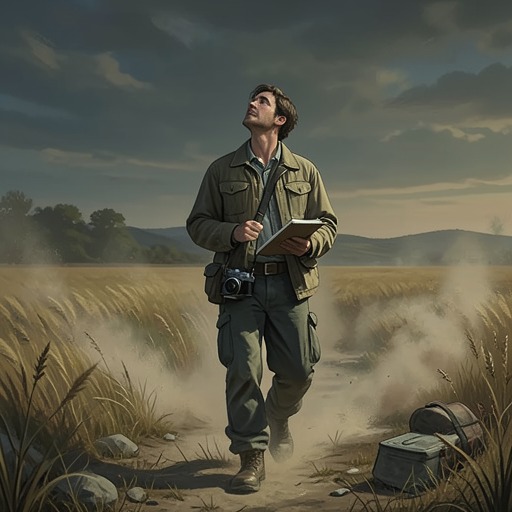
Quartzsite offers the book’s most expansive view of boondocking. Each winter, many travelers bypass the town’s paid RV parks and gather on the public desert outside it. They camp on hard ground, use their own power, and haul their own water. Instead of campground amenities, they have open desert and the company of other travelers. Mats, chairs, awnings, grills, and small fenced areas around vehicles spread across the landscape, giving the encampment an informal social life as well as a practical purpose.
The land is managed by the Bureau of Land Management, and the freedom to stay there comes with a timetable. Free camping is generally limited to two weeks in a location. After that, campers must move at least twenty-five miles to another patch of federal desert or pay to stay in the La Posa Long Term Visitor Area, which covers more than eleven thousand acres south of Quartzsite. At the time described, permits cost forty dollars for two weeks or 180 dollars for as long as seven months. The brightly colored windshield stickers identify permit holders to one another, turning a bureaucratic marker into a visible sign of membership in the winter gathering.
That regulated pattern of arrival and departure makes mobility part of the arrangement, not an optional flourish. A traveler can remain on public land, but not indefinitely in one place without meeting the rules. Some less attractive sites, however, are lightly visited and lightly patrolled. Near a truck stop west of Quartzsite, the narrator encountered an isolated area where weathered RVs, some apparently stationary for years, stood far apart. Although the fourteen-day limit technically applied there, the place was largely overlooked. Its lack of appeal brought a different kind of value: solitude for those willing to accept a rough, neglected setting.
Mobility, Infrastructure, and Belonging
Boondocking belongs to a larger pattern of life organized around movement. Seasonal layoffs send travelers back onto the road in search of another job, warmer weather, friends, or family. They may sleep in parking lots, on quiet streets, or at truck stops, leaving again before morning. The freedom to move is therefore practical and conditional: it depends on finding somewhere to stop, having a functioning vehicle, and being able to meet basic needs while moving between places.
Administrative systems also make a legally legible version of this mobile life necessary. The book explains that full-time travelers must maintain a fixed official domicile for tasks such as vehicle registration, driver's licenses, taxes, voting, jury service, and insurance. Some choose states with fewer residency hassles and use mail-forwarding services to receive correspondence. South Dakota, for example, permits a person to establish residency after spending one night at a local motel and registering with a mail-forwarding service, then presenting both receipts to the state department of public safety. The contrast is telling: a traveler may live nowhere in a day-to-day sense, yet must designate a home address in order to keep moving within the systems that govern vehicles and citizenship.
Digital communities and practical guides help fill some gaps left by conventional infrastructure. Beyond Bob Wells’s website, a Reddit community called vandwellers and numerous do-it-yourself videos shared advice about vehicle conversions. Searchable websites mapped free campsites and businesses that allowed overnight parking, including truck stops, casinos, and some large retailers. This information does not erase the material limits of the lifestyle, but it helps travelers find places to stay and learn methods from people who have already worked out the details.
Limits, Enforcement, and Unequal Access
Permission to park is uneven. Walmart has long allowed overnight stays in many of its parking lots, but the policy is not universal: local restrictions may prohibit overnight parking, and some stores have withdrawn the practice after visitors overstayed or established encampments. Public land is not an unlimited alternative. In Coconino National Forest, rangers have questioned people in vans and RVs about their home addresses; a vehicle sticker associated with camping in Quartzsite could be taken as evidence that a camper was living there permanently. People judged to be making residential use of the forest risked tickets and eviction. The possibility of reporting suspected long-term campsites through a proposed smartphone app further illustrates how a place to sleep can become subject to surveillance and removal.
These conflicts expose the difference between owning a vehicle and being free to inhabit it. Cities have increasingly restricted sleeping in cars, while public-land rules can distinguish an accepted visitor from someone deemed to be residing there. A vehicle may be allowed to remain where its occupant is not. In this context, stealth is not simply a camping technique: concealing equipment and moving on can be ways to reduce the chance of harassment, a citation, or eviction.
The book presents boondocking as both a resourceful response to expensive or unavailable conventional housing and a practice constrained by the places that tolerate it. Its appeal lies in low-cost shelter, self-provisioning, and the possibility of choosing a route rather than a fixed address. But that mobility rests on an unstable chain of vehicles, supplies, communications, work, parking, and permission. The open desert can offer a shared place to stay; a posted limit, a local ban, or a suspicion of permanent residence can narrow that freedom again.