Gaining freedom through simple living
NomadlandGaining freedom through simple living is the promise that a smaller material footprint can make room for movement, choice, and community. In the book, this is not an abstract rejection of consumerism: it takes shape in a car cleared of possessions, a carefully managed fuel budget, a free pile at a desert gathering, and the recurring search for somewhere to park. The practice can loosen the grip of conventional housing and spending, but it does not remove the costs and rules that constrain life on the road.
Reducing possessions to change direction
Jen’s search for another way of living led her to research minimalism, tiny houses, and CheapRVLiving.com. Ash initially resisted the idea of living in a vehicle, associating it with a comic image of failure, but eventually joined Jen in planning a life that alternated work with travel. Their first home was a hand-me-down Subaru Impreza hatchback. Its rear seats folded, but making enough room to lie down meant packing belongings into the foot wells to form a headrest. Jen cut black wool felt into window covers that could be attached with Velcro, turning a cramped car into a more private place to sleep.
Their effort to reduce possessions was practical as well as symbolic. They put a free-items notice on Craigslist and placed unwanted belongings on the lawn, asking people to arrive at nine in the morning. By half past eight, the lawn was empty; someone had even taken the trash. The episode makes reduction visible as a transfer of useful things rather than simply an act of discarding. After hiking the Colorado Trail for fifty-two days, Jen and Ash went to work at an Amazon warehouse in Fernley. They had planned to live out of the Subaru, but recognized that arrangement would not last through the job. Buying a van left them nearly broke, showing how a simpler way of life could require a costly vehicle before it enabled greater mobility.
Budgeting as a practice of freedom
At the Rubber Tramp Rendezvous, Bob Wells connected reduced consumption to independence from the market economy. He recommended spending less, sharing rides into town, avoiding unnecessary driving, and comparing gas prices with smartphone apps. He also urged attendees to build an emergency reserve of about $2,000, even if that meant setting aside only three dollars a day. The advice treats freedom not as limitless choice but as a margin created by disciplined decisions: lower expenses can reduce the amount of paid work needed, while a small reserve can help absorb a setback.
The response in the seminar gave that argument a collective dimension. When Bob asked how many people lived on $500 a month or less, a few hands rose; when he asked how many were debt-free, many more hands followed, to laughter and cheers. The exchange suggested that financial security and social status could be measured differently within the gathering. One itinerant poker dealer described short-term casino work that had paid $11,000 over seven weeks, an example of earning money in concentrated bursts while traveling. Linda May, recalling her earlier work as a cigarette girl and cocktail waitress at the Riverside Casino, said the possibility appealed to her. The episode also qualifies the ideal: mobility could depend on finding paid work, and not every source of income offered the same terms.
Shared resources and belonging
At the Rendezvous, simplicity did not mean solitary self-sufficiency. Bob Wells organized a free pile where people left things they no longer needed, including blankets, books, clothing, tools, and vehicle parts. A terracotta flowerpot found a second use as a soup pot. Linda May browsed the pile for books, while others contributed skills and labor: a cosmetologist offered haircuts for donations, Swankie baked with a solar oven, mechanics taught basic repairs, carpenters built shelves and bed frames, and people with large solar panels shared excess power. A tire-repair demonstration let participants practice plugging a leak in an old tire. Such exchanges made knowledge and equipment available without requiring each person to buy or carry everything independently.
The sharing extended to food and care. Lesa NeSmith made cowboy coffee at sunrise for anyone who came by, continuing a custom she had begun when she lived in an apartment and left her door open to neighbors. At group meals, participants brought toppings or added ingredients to communal pots of chili and soup. In Quartzsite, Arizona, after the Valentinos ran out of fuel while trying to keep warm, Vincent Mosemann drove them to town. They returned with food from the local food bank, including apples, sausages, and a large bag of salad. When Linda May later became too ill to cook in her van, nearby nomads brought her food. These episodes show mutual aid doing concrete work where money, equipment, or ordinary services were scarce; fellowship was not separate from the practical business of staying fed, warm, and mobile.
Mobility depends on infrastructure
The apparent freedom of going anywhere rests on less visible supports. Because nomads must maintain a legal domicile for matters such as vehicle registration, driver’s licenses, taxes, voting, jury service, and insurance, many use mail-forwarding services and establish residency in states they may rarely occupy. South Dakota offers a particularly simple route described in the book: spend one night at a local motel, register with a mail-forwarding service, and present both receipts to the state. A life without a fixed home therefore still requires an official address; mobility can be enabled by paperwork even as the paperwork misrepresents where someone actually lives.
Parking and public land impose another set of conditions. Near Quartzsite, the Bureau of Land Management allows free camping for up to two weeks at a time. Afterward, campers must move at least twenty-five miles away or pay to stay in the La Posa Long Term Visitor Area: $40 for two weeks or $180 for as long as seven months. The bright permit stickers on windshields identify people who share the landscape, but can also draw attention to how long a vehicle has remained in an area. In the Coconino National Forest, rangers questioned people in vans and RVs about their home addresses; a person regarded as a permanent nomad could be cited and evicted for residential use. Rules that distinguish camping from residence put a limit on the simple-living ideal: reducing possessions does not itself grant the right to remain.
A qualified freedom
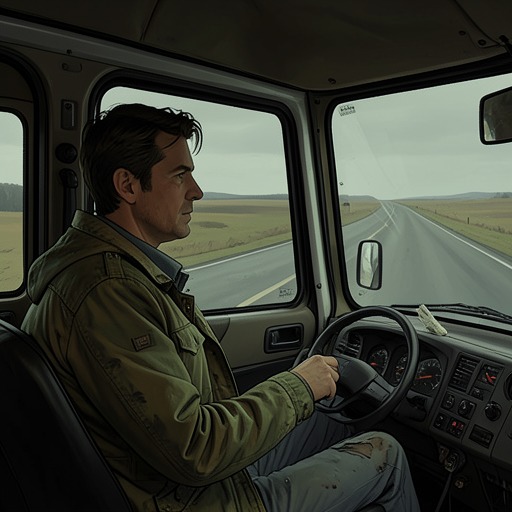
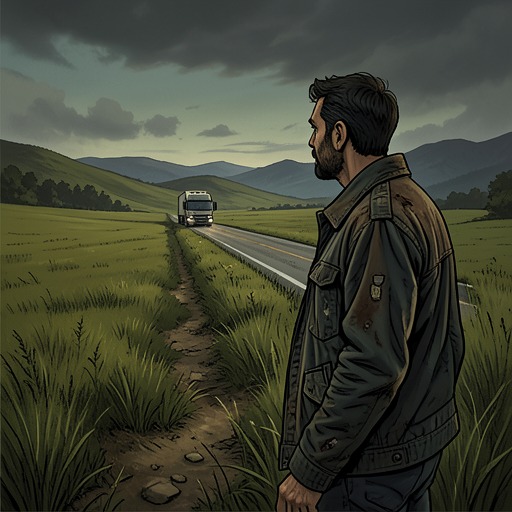
The seasonal rhythm of nomadic life makes the tension especially clear. When seasonal jobs end, travelers pack up and move in search of the next job, warmer weather, friends, or family. Their route passes shopping malls, factories, suburbs, fields, and big-box stores—the landscape of the consumer economy from which living simply can offer partial distance, but never complete escape. At night, they may rest in a Walmart parking lot, on a quiet street, or at a truck stop, then return to the highway before morning. The parking spot is at once a place of shelter and evidence of how narrow the available freedoms can be.
The book thus presents simple living as a real but conditional strategy. Fewer belongings can make travel possible; spending less can reduce dependence on wages; shared skills and supplies can replace purchases and form bonds. Yet vehicles need fuel, work remains unpredictable, official residence must be maintained, and public and private places regulate where people may stay. Freedom emerges not from independence from all systems, but from learning to navigate their openings—and from the relationships that help make that navigation possible.