Dominique Druot
PerfumeDominique Druot is a giant of a man who serves as the first journeyman in the perfumery of the widow Arnulfi in Grasse, and he eventually marries her and becomes a master perfumer himself. Though physically powerful and initially in charge of the workshop, Druot is intellectually unremarkable and gradually cedes effective control to Grenouille, whose hidden genius he misinterprets as mere diligence. Druot's role in the story is ultimately that of a dupe and a sacrificial figure: after Grenouille's crimes are discovered, the authorities arrest Druot, torture him into a false confession, and execute him, allowing the town to close the case and forget the real murderer.
Physical Presence and Initial Authority
Druot is introduced as a physically imposing figure, a "giant of a man" who exudes a "cloud of spermy odour" and plants himself before Grenouille with legs spread wide, inspecting him as a potential rival. He grins patronizingly and signals his agreement to Grenouille's hiring with a nod, confident in his own dominance. In the workshop, Druot performs the supervisory tasks—tending the fire, pouring blossoms into the cauldron, and deciding when the oil is saturated—while Grenouille does the heavy stirring. Druot is not fabulously intelligent, but he is not a complete idiot either, and he initially believes he is in full command.
Gradual Surrender of Control to Grenouille
Despite his authority, Druot soon realizes that Grenouille has a superior "feel" for the work. Grenouille, with his submissive demeanor, occasionally suggests that the oil might be too hot or that it is time to filter, and Druot finds that following these hints produces better results. Because Grenouille never challenges Druot's authority openly—especially not in front of Madame Arnulfi—Druot sees no reason not to leave more and more decisions to Grenouille's discretion. He gladly lets Grenouille handle the difficult tasks of buying and rendering fats, arranging the oiled plates for enfleurage, and judging when the pomade is sufficiently impregnated. Druot thinks to himself that Grenouille is "more talented than me, a hundred times a better perfumer," yet simultaneously considers him a total nitwit because Grenouille displays no ambition and acts as if he merely executes orders. This misreading allows Druot to remain complacent while Grenouille perfects the arts of maceration and cold enfleurage.
Marriage to Madame Arnulfi and Domestic Life
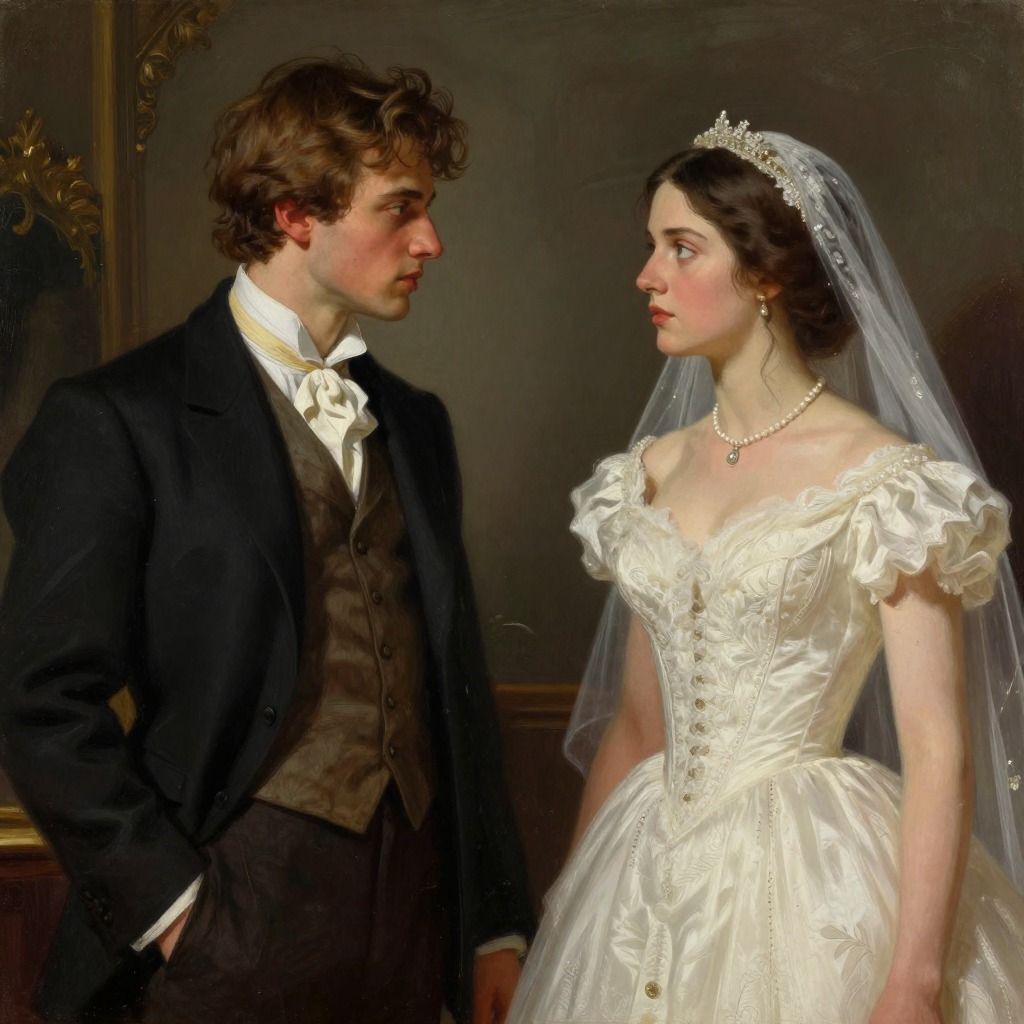
In January of the year following Grenouille's arrival, Druot marries the widow Arnulfi, thereby becoming a master glover and perfumer. The marriage does not change the household's dynamics: Madame retains control of the finances and the cellar keys, while Druot fulfills his sexual duties daily and refreshes himself afterward with wine at the Quatre Dauphins inn. He makes himself increasingly scarce in the workshop, leaving Grenouille to handle most of the work for the same meager salary. Druot's primary contribution to the business is his physical presence and his role as Madame's husband, not any genuine skill in perfumery.
Arrest, Torture, and Execution as Scapegoat
After Grenouille's crimes are discovered and he himself is arrested, the case takes a sudden turn. The authorities, eager to close the matter and pacify the populace, arrest Druot on the basis of "incontrovertible evidence": the clothes and hair of all the victims had been found in his cabin. The judges are not deceived by his initial lies, and after fourteen hours of torture, Druot confesses everything and begs to be executed as soon as possible. His wish is granted: he is hanged at dawn the following day, without any public spectacle, in the presence only of the hangman, a magistrate, a doctor, and a priest. The body is promptly buried, and the case is closed. The town forgets the entire affair so completely that travelers inquiring about the infamous murderer find no one who can give them any information.
Narrative Role and Significance
Druot functions as a classic scapegoat within the novel's critique of justice and collective psychology. His physical strength and initial authority contrast sharply with his intellectual and moral weakness, making him an easy target for the authorities who need a quick resolution. His execution allows the town of Grasse to restore its sense of order and to repress the memory of the orgy that had accompanied Grenouille's near-execution. Druot's fate underscores the novel's theme that justice in this world is a matter of convenience and social necessity, not truth: the real murderer escapes, while the innocent or complicit are sacrificed to restore the appearance of normality.