Piranesi—The Other
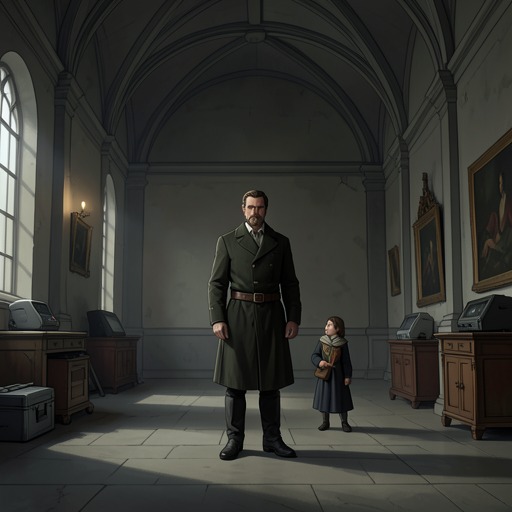
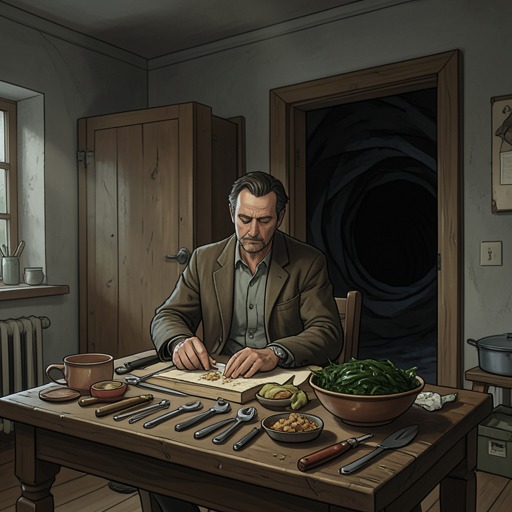
PiranesiPiranesi and The Other are bound by friendship, intellectual collaboration, and practical dependence, but their companionship rests on a profound imbalance of knowledge and authority. Piranesi values The Other as his only living human companion; The Other, in turn, supplies many of the objects that make Piranesi’s life easier while directing their shared research and shaping Piranesi’s understanding of his own vulnerability. As Piranesi’s memory falters, the relationship’s language of care becomes a means of control, until The Other says he would kill Piranesi if he found him mad.
Identity and the Fellowship
Piranesi understands The Other as a fellow scientist and the only other living human being. That isolation gives their friendship exceptional weight: he values it not simply as collegiality but as a central human bond. Their regular meetings, held twice each week on Tuesdays and Fridays, give this bond an orderly rhythm. The Other meticulously organizes his time and limits each session to an hour; when he wants Piranesi at another time, he calls out the name he uses for him, “Piranesi!”
The name itself belongs to the relationship’s unequal terms. The Other addresses him by it, while Piranesi accepts the designation and approaches when summoned. Their meetings may be framed as joint scientific work, but the schedule and terms of access are organized by The Other. The routine offers companionship and intellectual purpose while quietly establishing who sets the pace.
Material Generosity and Dependence
Piranesi keeps a list of what The Other has given him so that he will remember to be grateful. The gifts include a sleeping bag and, in a later entry, vitamins and a new pair of shoes. Notebooks are among the provisions that allow him to record his thoughts. Piranesi credits this generosity with keeping him warm in winter and equipping him to preserve his observations.
The list also leads him to compare what each man receives. The House supplies The Other with a wider range of things, including sleeping bags, shoes, plastic bowls, cheese sandwiches, notebooks, and Christmas cake, while Piranesi mostly receives fish. Piranesi explains the difference through their unequal practical skills: he knows how to fish, gather and dry seaweed for fuel or food, and cure fish skins into leather, whereas The Other does not know how to fish. He reasons that without the House’s provisions The Other might die, or Piranesi would have to spend much of his time caring for him. His gratitude therefore sits alongside a clear awareness that care runs in more than one direction, even if the men depend on different kinds of support.
Shared Research and Its Terms
The Other describes their search for the Great and Secret Knowledge as a project for humanity, not a private pursuit. He says the knowledge is ancient, once possessed and used for great works, and lost when people abandoned it in favor of what they called progress. Recovering it, he argues, is a responsibility of historical importance. Piranesi accepts that this account changes how the search appears to him.
The Other also makes continued participation a condition of their working relationship. He says that if Piranesi stops searching, their Tuesday and Friday meetings will end: The Other would continue his research, while Piranesi would go off to do whatever he does. Piranesi is startled by the prospect of losing their collaboration and tells him that working together is one of the great pleasures of his life. The Other replies that he feels the same. Their mutual affection is real in the exchange, but it is paired with a stark ultimatum: companionship is presented as inseparable from pursuing The Other’s objective.
Memory, Authority, and Warnings
When Piranesi questions whether the search should continue, The Other tells him this is not the first time he has raised the matter and that they have already had the same conversation. He attributes Piranesi’s failure to remember it to the labyrinth’s effects on the mind, which he says can make people forget and even undo their personalities. Piranesi is unsettled by the claim and worries that forgetting the tides’ patterns could put him in danger of drowning.
The Other reassures him that he never forgets such essential knowledge and claims he would not let him wander into danger. He praises Piranesi’s growing command of the labyrinth, but then draws a consequential distinction: Piranesi forgets while The Other remembers. For that reason, The Other says, he must set their objectives. The reassurance thus doubles as a warrant for control. Piranesi asks for time to think; The Other agrees to revisit the issue at their next Tuesday meeting, preserving the routine even as its basis has been exposed as unequal.
The same pattern shapes The Other’s warnings about 16. He says 16 may come looking for Piranesi and urges him not to be seen or to listen to what 16 might say. According to The Other, those words could produce terror and madness, destabilize Piranesi’s thoughts, and make him doubt both his perceptions and The Other. He describes Piranesi as especially vulnerable because he is already mentally unstable. The warning places The Other between Piranesi and an anticipated alternative account of reality: protection is defined as concealment and refusal to hear.
Care and Threat
The Other’s care reaches its most troubling expression when he considers what would happen if Piranesi became mad. He presents such a condition as a loss of dignity and asks whether Piranesi would want to go on living that way. Piranesi says he does not think he would. The Other then states that, in those circumstances, he thinks it best to kill Piranesi, for both their sakes. Piranesi responds with surprise; a short silence follows.
That declaration gives the relationship’s earlier gestures a harder edge without erasing their genuine affection. The Other has provided necessities, praised Piranesi’s abilities, and described their collaboration as important to him. Yet he also claims authority over their objectives, interprets Piranesi’s memory for him, and defines the possible loss of their shared life as grounds for killing him. The friendship’s central tension lies in this collision: Piranesi experiences the bond as precious companionship, while The Other’s care is inseparable from control over what Piranesi knows, hears, and may continue to be.