LaGuardia Airport Marriott
RetributionLaGuardia Airport Marriott is both a refuge and a point of renewed danger for C.J. Townsend. She takes a nighttime reservations job there after her assault because the hotel’s scale and anonymity help her endure the night; weeks later, a caller who knows her name reaches her at the desk and shatters that fragile security.
Setting and Work
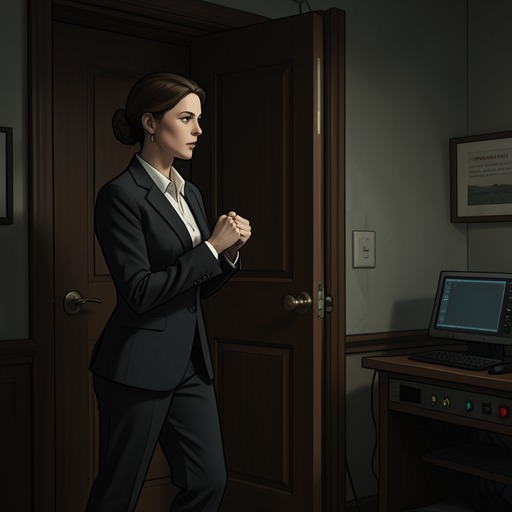
In October, C.J. Townsend applies for a nighttime reservationist position at the large, constantly busy hotel by LaGuardia Airport. Hundreds of people work there, but its scale means that few know her. She handles calls from a back room, wearing a headset and working away from public scrutiny.
The job is a deliberate retreat from the professional future she had once expected. It does not put her on a partner track, and she knows her parents would not be proud of the choice. Michael Decker regards what he sees as her lack of ambition with disgust. Yet the hotel offers a practical combination she needs: the safety of being among many people, anonymity from intrusive questions, and a paycheck.
A Night Shift Chosen for Safety
C.J. works from 11:00 p.m. to 7:00 a.m. The schedule places her at the hotel during the hours she finds most frightening, but the busy workplace and the separation of the back-room desk from the public make the job feel manageable. Her preference for anonymity is not incidental: after refusing counseling and stepping away from the career path she had planned, she has chosen work that lets her avoid probing attention while remaining around other people.
She has been at the job for only four weeks when the hotel’s routine is interrupted. The call comes near six in the morning, during the final hour of her shift. A caller says he has missed his flight and needs a room; softly playing in the background, C.J. recognizes Bach’s “Sheep May Safely Graze.”
The Call and Its Aftermath
When the caller addresses her by name and invites her to join him, C.J. tears off her headset and throws it to the floor. Her manager, Adele, and several front-office clerks come over. The voice continues from the discarded headset, asking whether anyone is there, while C.J. pulls away when Adele touches her. The call transforms a routine reservation inquiry into an intimate threat: someone has reached her at work and made clear that the anonymity she depends on cannot protect her from being recognized.
After leaving the hotel, C.J. runs across the parking lot without her coat and speeds home along the Grand Central Parkway, repeatedly checking behind her for the attacker. At her apartment she turns on the lights, resets the alarm, locks the door, searches the rooms, and checks the pistol her father gave her. The episode makes the hotel’s double function plain: its crowded workforce and back-room desk had offered her a measure of safety, but the telephone carries the threat directly into that refuge.
Narrative Significance
The hotel setting gives C.J.’s attempt to rebuild a daily life a concrete form. Her new work is modest compared with the ambitions she set aside, but it supplies income, distance from public attention, and the reassurance of being among hundreds of workers. The threatening call reverses those protections without requiring the attacker to appear in the hotel: a familiar musical cue and her name are enough to make the workplace feel exposed.
The scene also links the apparently ordinary infrastructure of travel and hospitality to the story’s recurring danger. A missed flight, a request for a room, and a reservationist’s greeting become the means by which fear crosses into C.J.’s working life. LaGuardia Airport Marriott is therefore not merely the setting of her job; it marks the limits of the anonymity she sought and the continuing reach of the violence from which she is trying to recover.