Banfield Crash, Fuel Tanker Explosion, and Extinguished Flames
ShrineThe Banfield Crash, Fuel Tanker Explosion, and Extinguished Flames turns a reckless pursuit into a mass-casualty disaster and the defining public spectacle of Alice Pagett’s alleged powers. At the village roundabout, a Capri struck a bus beside a garage where a tanker was transferring fuel into underground tanks. The collision ignited the fuel and spread fire across the forecourt. Gerry Fenn and Nancy Shelbeck were caught in the blaze, and Leonard Pagett was killed; then Alice appeared, and the flames went out as she approached. The event’s terrible human cost and unexplained reversal became the basis for Banfield’s sudden prominence as a place of pilgrimage.
The Chase and Collision
Fenn was pursuing the Capri through Banfield’s High Street, with Shelbeck beside him. He suspected that Len Pagett was heading for Brighton after selling his story to the press, and felt personally invested in keeping the other journalists from getting ahead of him. The pursuit brought the cars through a busy shopping street, where parked vehicles narrowed the road and forced traffic to slow. Near the roundabout, Fenn could see the garage, the convent, and the road out of the village.
As the Capri approached the junction, Fenn glanced towards the convent and saw Alice at a window. In the same moment, the car ahead began to weave. Fenn tried to steer away and brake, but his car did not respond as he expected; it skidded, while the bus turned towards the garage forecourt to avoid the Capri. The Capri struck the front of the bus. The impact damaged the tanker’s fuel line, and sparks from the crash reached the fuel spilling around the forecourt. Fenn’s car crashed through the garage showroom window, and the tanker exploded.
The Fire and Escape
The explosion left the garage forecourt and the showroom engulfed in fire. People were caught in the disaster: some escaped from the bus, while others had been walking near the garage or had come close in an attempt to help. People at the showroom’s upper windows called for assistance as flames spread through the building. The fire continued to find fuel in vehicles and stored gasoline and oil, while the remaining underground tanks threatened further combustion.
Fenn and Shelbeck later escaped in a Rover. Fenn told her to get into the back and keep low, then drove through the showroom windows and out through the fire. They emerged into the open, but Fenn’s car skidded into another vehicle and stopped. The escape did not mean the wider blaze was under control: the tanker remained alight, burning liquid continued to spread, and people were still trying to get clear. This contrast—two people breaking out of the fire while the surrounding site continued to burn—makes the subsequent change in the flames a distinct turn in the event rather than a simple end to the crash.
Alice and the Extinguished Flames
As Fenn looked back towards the Capri, he saw Len Pagett struggling to get out of the car. The fire had severely affected him, and the sight overwhelmed Fenn, who was weak and unable to stand. The Capri’s fuel tank then exploded. Around Fenn, people were still moving away from the heat, and the fire was still spreading; nothing in the immediate course of the disaster suggested that it was about to stop.
The change came when the flames began to shrink and disappear. Through the smoke, Fenn saw Alice walking slowly across the wreckage in her yellow dress, with her hands held out. The remaining flames cooled and went out as she approached. The sequence links her arrival with the sudden cessation of the fire, but does not establish a physical mechanism by which she could have caused it. The distinction between what witnesses saw and what could be explained became central to the event’s later public meaning.
Death, Investigation, and Public Consequences
Leonard Pagett died before Alice arrived at the scene. Subsequent radio reporting also stated that the bus driver had died in the collision before the tanker explosion. Their deaths prevent the extinguishing of the fire from functioning as a simple rescue: Alice’s appearance came after lives had already been lost, and the destruction had already begun. The event thus made her alleged power inseparable from grief, including the loss of her own father.
Accident and fire-prevention officers examined the wreckage but reported no logical explanation for the fire’s apparent extinction. Their findings included half-burned timber that should have been completely charred if the fire had run its natural course, and fuel still lying on the ground unburned. Only small, scattered fires remained by the time the local fire brigade arrived. Investigators also noted that there had been little rain and that no later explosion was large enough to account for the fire being blown out. Their observations supported the claim that something unusual had occurred without explaining how it happened.
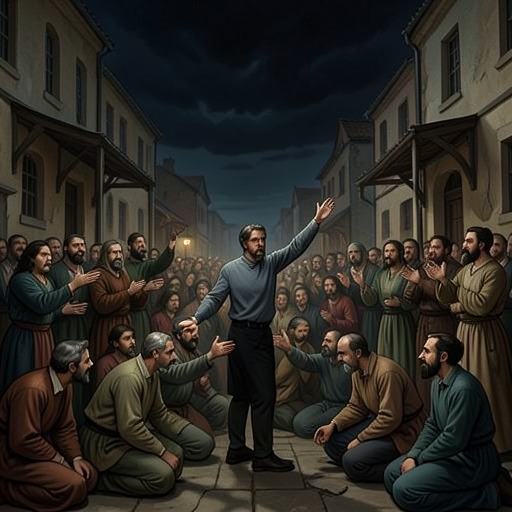
The crash also became a turning point in Banfield’s public life. Television and radio reports connected the fire to Alice’s earlier alleged healings and described crowds travelling to St. Joseph’s Church, including people who came seeking cures or simply hoping to see her. Reports estimated that thousands gathered, with traffic backed up on the roads into the village. The disaster therefore produced two sharply different legacies: a fatal accident whose physical evidence resisted explanation, and the beginning of a pilgrimage boom built around the belief that Alice had stopped the flames.