Candide's loss of the Eldorado sheep
CandideCandide's loss of the Eldorado sheep is presented not through a scene of the loss but through its place in a retrospective chain of reversals. In the conclusion, Pangloss makes it one of several events that, in his account, led Candide and his companions to their present circumstances; Candide redirects the discussion from that grand explanation to the practical work before them.
Place in the Journey and What Is Known
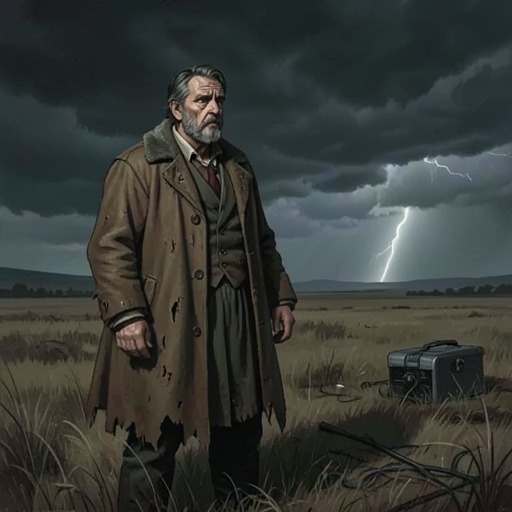
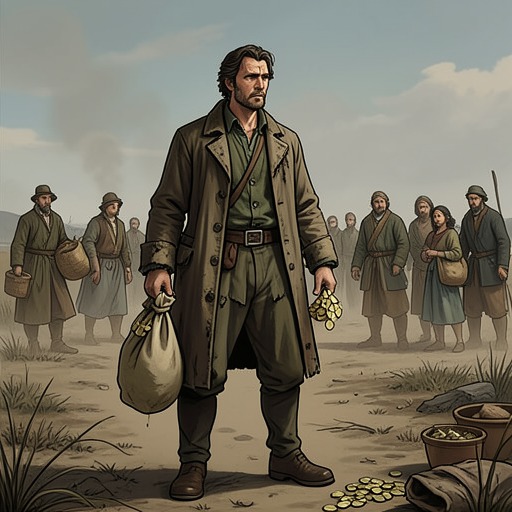
The surviving account identifies the sheep as coming from Eldorado and states that Candide lost all of them. It gives no scene of how the loss occurred, when it happened, or what became of the animals. The event is therefore sharply defined in outcome but left without particulars: the flock is gone, and the narrative later treats that loss as part of Candide's accumulated experience.
The loss belongs to a journey that has already carried Candide through Westphalia and the Inquisition and across America. Eldorado had seemed to offer a country where all was well, a possibility Candide and Cacambo considered after finding their own experience elsewhere so harsh. The later reference to the sheep marks the departure from that exceptional country as one more turn in a story where apparent good fortune does not secure a lasting escape from loss.
The Conclusion's Chain of Events
Near the end, Pangloss lists Candide's expulsion from a magnificent castle, his punishment by the Inquisition, his travels across America, his stabbing of the Baron, and the loss of the Eldorado sheep. He then connects those events, by counterfactual reasoning, to the companions' present meal of preserved citrons and pistachio nuts. The sheep's loss thus enters a sequence of distinct hardships and reversals, rather than receiving a separate account of its own.
Pangloss uses the chain to preserve his claim that events belong to the best possible order: without each earlier misfortune, Candide would not be in the present situation. The form of the argument turns a concrete loss into evidence for a sweeping philosophical explanation. Candide does not dispute the list point by point; he answers by insisting on the immediate task of cultivating the garden. The contrast makes the episode's final significance less a solved question of providence than a reason to attend to work in the present.
Narrative and Thematic Significance
The sheep's disappearance is one item in a deliberately compressed philosophical tale. Voltaire's work ridicules the notion that this is the best of all possible worlds, while Pangloss's conclusion repeatedly gathers painful events into a supposedly harmonious chain. Here the loss matters both as a stated consequence of Candide's journey and as material for that recurring dispute over how suffering should be interpreted.
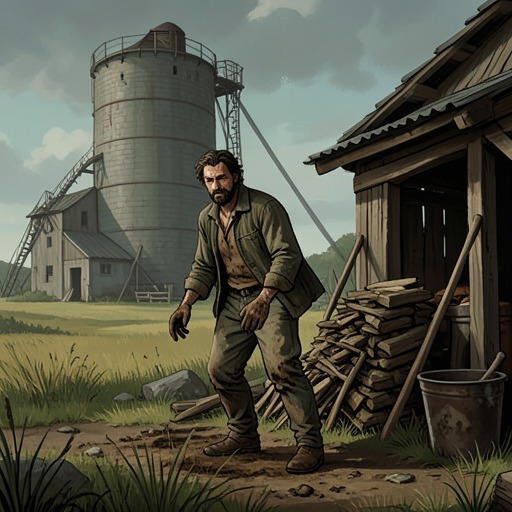
The ending does not restore the flock or explain its fate. Instead, the reference places the loss among the experiences that precede the companions' shared labor: Cunegonde becomes a pastry cook, Paquette works at embroidery, the Old Woman tends the linen, and Friar Giroflée becomes a joiner. Against Pangloss's elaborate retrospective reasoning, Candide's response gives the final emphasis to cultivating the garden.